


Getting people to visit your online store is only half the job. The other half is turning those visits into sales, and that is where most shops leave money on the table. Attention is short, competition is one tab away and every bit of friction costs you orders.
Here are ten practical ways to lift your e-commerce conversion rate, from the first second on your site to the final click at checkout.
10 Ways to Boost Your E-commerce Conversion Rate
1. Engage New Visitors with Instant Rewards
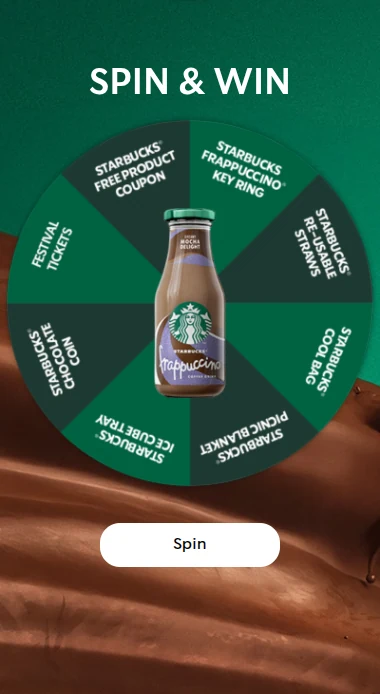
First impressions can make or break a sale. An instant reward, such as a discount or a chance to win a prize, gives casual browsers a reason to stay and a reason to buy.
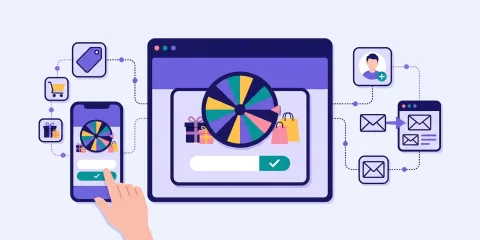
Lampeguru is a good example. The lighting retailer added a Spin the Wheel game to its site, giving visitors a fun, rewarding experience the moment they arrived. The result was higher engagement and more conversions.
Video: the Lampeguru Spin the Wheel game shown on an iPad.
2. Simplify the Checkout Process
A complicated checkout is one of the most common reasons for cart abandonment. Remove friction wherever you can:
- Offer guest checkout
- Support several payment methods
- Keep form fields to a minimum
- Use progress bars and real-time validation so customers always know where they are
If you want to optimise your checkout funnel and remove technical barriers, it can pay to bring in specialists. For expert help, consider one of the best e-commerce SEO services to improve both site performance and conversion flow.
3. Add Trust Signals
Trust is everything online. Security badges, money-back guarantees, clear shipping information and verified customer reviews all reduce doubt and make buyers feel safe handing over their card details.
4. Personalise the Shopping Experience
Relevant products sell better than generic ones. Use browsing behaviour and purchase history to show offers that match what each customer is actually looking for.
If you're new to personalisation, the Product Finder format is an easy place to start. Customers answer a few quick questions and get matched with the products that suit them best, which improves both satisfaction and conversions.
5. Use Gamification to Drive Action
Gamification doesn't just entertain; it converts. Games, quizzes and spin-to-win formats make visitors more likely to engage, share their email address and come back.
Lampeguru (see tip #1) is one of many shops that have seen this work. You can add a game to your own store as a pop-up, an embed or a standalone landing page. Our guide to gamification in e-commerce marketing explains how to get started.
6. Speed Up Your Pages
Page speed affects both SEO and conversion rates. A slow site frustrates visitors and sends them away before they've even seen your products.
Run a speed audit on your key landing pages with a free page speed tool. If you manage a large catalogue, pick a tool that can test hundreds of URLs automatically so you catch problems before your customers do.
7. Show Social Proof and User-Generated Content
Nothing builds confidence like seeing happy customers. Show product reviews, customer photos and testimonials close to the buy button.
Interaction works as social proof too. EYDA activated 15,000 unique visitors with a combination of pop-ups and social media ads, proof that getting real people involved with your brand can be a strong driver of conversion.
8. Make Product Discovery Interactive
Let customers take an active role in finding what they need. Formats that ask about preferences, budget or style help shoppers narrow down a large range quickly, and the answers tell you a lot about what they want.
A product matching quiz like the one in tip #4 is ideal here, and you'll find ready-made examples in our templates.
9. Analyse and Optimise Based on Data
Track user behaviour, traffic sources and conversion paths with tools like Google Analytics or Hotjar. Look for the pages where visitors drop off and fix those first.
E-commerce growth comes from steady testing and improvement, not guesswork.
10. A/B Test Continuously
The shops that convert best never stop experimenting. A/B testing lets you compare versions of your site, such as layouts, calls to action, button colours, headlines and interactive formats, to see what your audience responds to.
Base your decisions on real user data rather than gut feeling. Small changes to a landing page, a product page or the way you present an offer can add up to significant gains over time. Make continuous optimisation a regular part of your routine, not a one-off project.
Start Converting More Visitors
You don't need to do all ten at once. Pick the two or three that address your biggest drop-off points, test them and build from there.
If instant rewards and interactive product discovery are on your list, Scratcher makes them easy to launch without any coding. Start your free 14-day trial and have your first campaign live on your store today.