


A gamification campaign can engage your audience and drive real traffic to your brand, but only if people find it and want to take part. How well it performs depends on your activation strategy.
Here are six best practices to make sure your next gamification campaign is a hit.
1. Set Clear Objectives
Before you launch, define clear and measurable goals. Whether you want to build brand awareness, collect permissions, drive sales or increase engagement, specific objectives guide every other decision and tell you whether the campaign worked.
Tips
- Choose your KPIs: Track metrics such as website traffic, conversion rate, social media engagement and time spent in the campaign. Our guide to gamification marketing KPIs covers the most useful ones.
- Align with business goals: Make sure your campaign objectives support your overall business strategy.
2. Know Your Audience
Understanding your audience is essential for designing a campaign that resonates. It also helps you create a better incentive, giving people a real reason to engage.
Tips
- Segment your audience: Tailor the campaign to specific segments for a more personal experience.
- Use your data: Draw on customer data and analytics to build personas and predict which games and rewards will appeal most.
3. Give People a Reason to Take Part
A compelling incentive is what gets people to play. It doesn't always have to be a prize. Curiosity, learning, testing your knowledge, competing with others and loyalty rewards all motivate people too.
Tips
- Offer meaningful rewards: Choose prizes your audience actually values, such as discounts, exclusive content or physical products.
- Think about the number of prizes: Higher win rates make a campaign stickier. Weigh many small prizes against one big prize as an eye-catcher, or combine the two.
- Use curiosity and learning: Surprise people with unexpected results and guide them to a clear next step once they've finished.
- Keep prizes relevant: Giving away an iPhone will attract plenty of interest, but not necessarily from the right people. If you're an insurance company looking for homeowners, a lawn mower may be a far more relevant prize.
4. Promote Across Multiple Channels
Even the best game needs traffic. Have you considered all of these channels?
- Paid social media
- Organic social media
- Offline via QR codes on posters, in store or on packaging
- Display ads
- A pop-up on your website
- In-app integration
- Newsletters and other email marketing
- Always-on placements on selected category pages
- Dedicated campaign landing pages
- Influencer and partner collaborations
Not sure where your campaign should run? Read where your gamified campaign should live.
5. Define the "What"
With your goal, audience, incentive and channels in place, it's time to pick the format. Which game or interactive content best matches all four?
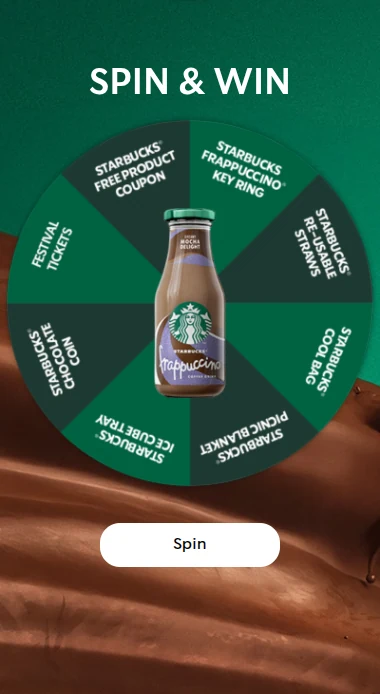
- Luck-based games such as Spin the Wheel or Mystery Box are quick, simple and great for collecting sign-ups at scale.
- Skill-based games such as the Drop Game or Memory Game hold attention longer and work well with leaderboards.
- Knowledge formats such as a Quiz or a Personality Test let you educate, recommend products and learn about your audience.
6. ...And Then What?
Once the campaign is live, keep an eye on performance and gather feedback. Use what you learn to adjust the activation while it runs and to improve your next campaign.
Before launch, make sure you know how the campaign data will fit into the rest of your database, and how you'll use it across your MarTech stack. Connecting your campaign to your email platform or CRM from day one means no leads are left sitting in a spreadsheet.
Ready to Activate?
Good activation is planned before launch, not after. Set your goals, know your audience, pick an incentive and channels that fit, and then choose the format.
Want to put these best practices into action? Start your free 14-day trial and launch your first gamified campaign without any coding.