


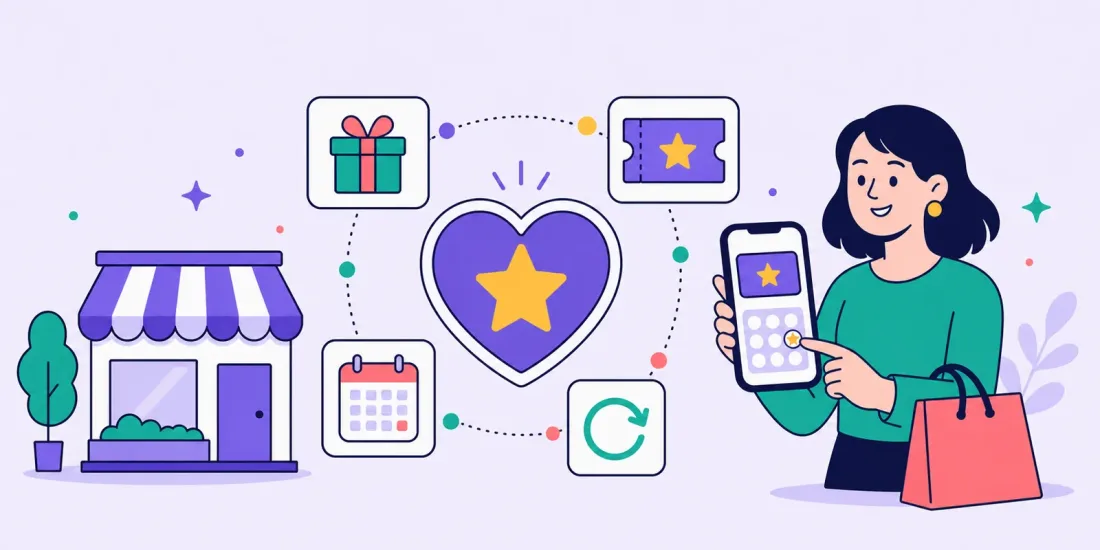
In 2027, customer loyalty will be won less with points and more with access, fairness and reasons to come back. Shoppers belong to more programmes than ever but feel less special in each, they switch quickly when prices feel unfair, and they are wary of AI using their data. The loyalty strategies that work will give members something to do as well as something to save, reward them in the moment, be open about data and keep a human touch where it counts.
This article covers the customer loyalty and retention trends we expect in 2027, the research behind them and what you can do now. Every number links to its source.
The loyalty paradox going into 2027
Loyalty programmes have never been more common, and members have rarely been less impressed.
- The Bond Loyalty Report 2025 found that consumers take part in 17.4 loyalty programmes on average, while only 48% of Americans say they are very satisfied with their programme. The same research found that special access and personal experiences are now the top driver of perceived value.
- Capgemini's 2026 consumer study found that 74% would switch brands for a lower regular price, and 71% would switch if pack size or quality is reduced without clear notice.
People sign up, collect points and still leave. A card in the wallet is not loyalty. The question for 2027 is what makes someone choose you again when they have every reason to shop around.
7 customer loyalty trends for 2027
1. Access beats points
When the Bond research found that access and experiences now drive perceived value more than financial value, it confirmed what many brands already see: a 2% discount is easy to copy, while early access, member-only events and first pick of a limited product are not.
We expect more programmes to add a layer of access in 2027: early entry to sales, previews of new products, members-only games with better prizes. A pre-registration page for members, or a product battle where members vote on what comes next, gives people a sense of being on the inside.
2. Programmes become something to do, not just something to save
Points are passive. You collect them and maybe forget them. In 2027 the programmes that stay top of mind will give members a reason to visit regularly: a monthly game, a calendar around a season, a quiz with a member prize, a birthday surprise.
Games work well here because they are short and fun, and each play is a sign of life. A member who plays every month is a member who is still paying attention. Our guide to a gamified loyalty programme shows how to set this up, and the customer loyalty page has examples. For the bigger picture on games, read our gamification marketing trends for 2027.
3. Fairness becomes part of the value
Shoppers are watching prices closely, and they notice when something feels sneaky. Capgemini's finding that most consumers would switch over shrinking packs or quality without notice is a warning for loyalty too: points that expire quietly, rules that change without notice or prizes nobody seems to win all damage trust.
Our prediction: in 2027 the strongest programmes will be the simplest to explain. Clear rules, clear odds in member games and rewards that are actually reachable. If you run prize games for members, the prize odds calculator helps you set realistic odds and tell members what they are.
4. Small rewards, given now
The same Capgemini study found that 71% of consumers use small treats to cope with financial stress. That is a strong argument for rewards that arrive immediately instead of after months of collecting.
Instant-win games fit this well. A member opens the app, scratches a card and gets a coffee, a free delivery or a small discount on the spot. Combine this with a few larger prizes to keep it exciting. Our guide to instant win vs prize draw compares the mechanics, and the help article on prize schedules and pools explains how to spread prizes over time.
5. Data in exchange for something real
Loyalty programmes are data programmes, and members know it. In a 2026 survey of 11,000 consumers, 74% said they would stop using a brand after their data was misused, and 52% said they would pay more for brands that are open about how they use AI.
In 2027 we expect more programmes to ask members directly about their preferences rather than infer everything from purchases, and to explain what the answers are used for. A short personality test or survey with a member prize gets better answers than a long profile form. Our article on first-party data and privacy trends for 2027 explains why this matters more each year.
6. AI personalisation, with limits members can see
AI will make loyalty more personal in 2027: offers matched to what each member actually buys, messages at the right moment, product suggestions that make sense. Gartner predicts that 60% of brands will use agentic AI for one-to-one interactions by 2028.
But members are cautious. The same Usercentrics study found 71% feel AI-driven personalisation is intrusive. Our take: personalisation based on what members have told you feels helpful, while personalisation based on what you have quietly worked out can feel creepy. Use AI to act on stated preferences, and let members see and change them.
7. A human touch where it matters
Capgemini found that 74% of consumers value help from a person during in-store service and 66% during purchase decisions, both up sharply on the year before. As more of the routine work is automated, a real person becomes a loyalty feature in itself.
For loyalty programmes this means using automation for the routine and people for the moments that matter: a complaint, a big purchase, a member who has been with you for ten years. Bridging digital and physical also helps. A QR code in the shop that opens a member game links the two worlds; read more in our QR code marketing strategy.
Retention ideas you can run in 2027
| Goal | Idea | Format |
|---|---|---|
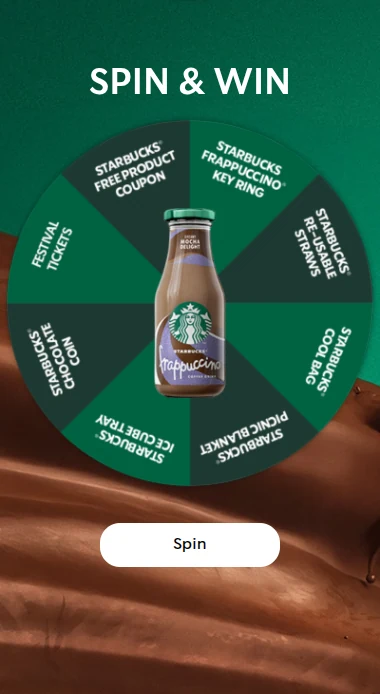
| Grow the club | Join the club to unlock a better prize in the game | Spin the wheel |
| Bring members back monthly | One member game a month, different each time | Scratch card, mystery box |
| Celebrate the member | Birthday or anniversary game with a personal prize | Gift surprise |
| Learn what members want | A short quiz with a member prize | Quiz, poll |
| Make the season sticky | A calendar with member-only doors | Christmas calendar, campaign calendar |
| Wake up quiet members | A game link instead of another reminder | Any quick luck game |
Jacobsen Møbler grew its loyalty club from 25,000 to 120,000 members with games and member campaigns, as shown on our customer loyalty page. More examples are in our anniversary campaign ideas and customer stories.
Loyalty without a loyalty programme
Not every brand has a points scheme, and in 2027 you do not need one to work on retention. Many of the ideas above work with nothing more than a newsletter list and a few campaigns a year.
- Your newsletter is your club. Give subscribers first access, member prizes and a game now and then, and they will treat it like one.
- Use the calendar. Seasonal moments such as a birthday month, Black Week or Christmas give you natural reasons to say hello. The free marketing calendar lists the dates for your country.
- Make repeat visits part of the game. Daily doors in a calendar or a weekly game reward people for coming back, which is the habit you want.
- Ask, then act. If someone tells you what they like in a quiz, show them it in the next email. Nothing builds loyalty faster than proof that you listened.
Smaller brands often have an advantage here. They can move quickly, use real names and faces, and pick prizes that only they could offer. In 2027 that kind of personal, human loyalty is exactly what large programmes struggle to deliver.
How to measure loyalty in 2027
Points issued and app downloads are easy numbers to report but say little about loyalty. Track these instead:
- Active members: members who did something in the last 90 days, not just everyone who ever joined.
- Repeat purchase rate among members compared with non-members.
- Participation rate in member games and campaigns, month by month.
- Declared preferences: the share of members who have told you what they want.
- Revenue per member over time, and churn among your best members.
Our guides to gamification ROI and gamification marketing KPIs help you connect campaign results to these numbers. In Scratcher, the campaign dashboard shows players, sign-ups and winners for each campaign.
FAQ
What are the biggest customer loyalty trends for 2027?
Access and experiences over points, programmes that give members something to do, fair and simple rules, instant small rewards, preference data collected openly, AI personalisation with visible limits and a human touch for important moments.
Are loyalty programmes still worth it in 2027?
Yes, if they give members a real reason to come back. Many consumers belong to lots of programmes but feel little attachment to most of them. A programme that offers access, regular engagement and fair rewards stands out.
How does gamification help customer retention?
Games give customers a reason to visit regularly, reward them immediately and show you who is still engaged. Member-only games, calendars and birthday campaigns are simple ways to start.
How can loyalty programmes use AI without losing trust?
Base personalisation on what members have told you, explain what data you use and why, let members change their preferences and keep people involved in complaints and important decisions.
Give your customers a reason to come back
Loyalty in 2027 is earned visit by visit. Start a free 14-day trial and build a member game in minutes, see how to limit how often people can play, for example once a day, or book a meeting to plan your retention campaigns for the year.