


The best Day of the Dead campaign ideas honour what the occasion is: a time when families remember and welcome back loved ones who have died. Good formats are a quiz about the meaning of the ofrenda and its elements, a community altar competition, a vote for a cultural organisation to support, and products or prizes made with Mexican artists and makers. Día de los Muertos is on 1 and 2 November. It is not "Mexican Halloween", and campaigns that treat it as a costume party or a discount event will be noticed for the wrong reasons.
For brands selling in Mexico, to Mexican and Latin American communities in the US, or to customers with Mexican roots in Europe, Día de los Muertos is one of the most important cultural moments of the year. This guide explains the occasion briefly for marketers who did not grow up with it, then gives you a planning timeline, ten campaign ideas with the right game format and channel for each, and the checks to run before you publish.
What Is Día de los Muertos?
Día de los Muertos (Day of the Dead, in Mexico usually Día de Muertos) is a celebration of remembrance. Families prepare for the temporary return of the souls of their relatives and loved ones, and welcome them with food, flowers, candles and stories. UNESCO inscribed the "Indigenous festivity dedicated to the dead" on its list of the Intangible Cultural Heritage of Humanity in 2008, and describes it as the commemoration of "the transitory return to Earth of deceased relatives and loved ones" (UNESCO). It brings together pre-Hispanic traditions and the Catholic feasts of All Saints and All Souls.
Customs you will see, with regional differences:
- The ofrenda: a home altar with photos of the dead, candles, their favourite food and drink, and personal objects.
- Cempasúchil: orange marigolds, whose color and scent are said to guide the souls home. Petals often mark a path to the altar.
- Pan de muerto: a sweet bread baked for the season.
- Calaveras: decorated sugar skulls, often with a name on the forehead, and calaveritas literarias, playful rhyming verses.
- Papel picado: colorful cut-paper banners.
- Cemetery visits: families clean and decorate graves, and some spend the night there.
When Is Day of the Dead?
The main days are fixed: 1 and 2 November every year. Traditionally, 1 November is dedicated to children who have died and 2 November to adults, as Mexico's National Human Rights Commission notes in its calendar of commemorations. In some regions, days in late October are set aside for other groups, such as people who died in accidents. Preparations start days earlier, and many families set up the altar in the last days of October.
- In 2027, 1 November is a Monday and 2 November a Tuesday.
- In 2028, 1 November is a Wednesday and 2 November a Thursday.
Halloween on 31 October falls right before. The two are different occasions with different meanings. If you run both, keep them as separate campaigns. Our guide to Halloween marketing covers the other one. In the US, Thanksgiving follows a few weeks later.
You can see the dates next to your other campaigns in our free marketing calendar.
Respect First: What to Get Right
It is remembrance, not a costume party
Day of the Dead is joyful and colorful, but it is about the dead and the people who miss them. Avoid treating the catrina or calavera as a generic spooky costume, and avoid sugar skulls as simple "scary" decoration.
Skip the morbid sales copy
"Killer deals", "prices to die for" and "dead cheap" are tone-deaf here. So is a plain discount code with a sugar skull on it. If you have a commercial goal, link it to something with meaning, such as a donation, a collaboration with an artist, or a product people use to prepare the altar.
Involve people from the community
Ask colleagues, creators or partners with Mexican roots to shape the idea and review the texts and visuals. Work with Mexican artists and makers and pay them, rather than copying their style. If you sell to the US Hispanic market or to Latin American customers in Europe, remember that traditions vary between regions and families.
Handle memories with care
People may want to share photos and stories of relatives who have died. That is personal data about real people and deeply private grief. Never make it a condition for taking part, moderate everything before it is published, and let people remove their entry at any time.
Planning Timeline
| When | What to do |
|---|---|
| 8 weeks before | Decide on the idea and the people from the community you will work with. Agree on artists, partners and budgets. |
| 6 weeks before | Commission artwork. Write and review texts with your advisers. Set up consent and terms. |
| 4 weeks before | Build the campaign in Spanish and English as needed. Test on mobile. Plan store displays. |
| 2 weeks before (mid-October) | Launch. Many families start shopping for altar items, flowers and pan de muerto now. |
| 31 October to 2 November | Keep the tone calm and respectful. Share stories, results or the community altar. |
| A week after | Report back on donations or votes, and thank the people involved. |
10 Day of the Dead Campaign Ideas
1. Quiz: what each element of the ofrenda means
Ask why marigolds are used, what pan de muerto represents, or what the candles are for. Show a short explanation after each answer, so people learn something even when they get it wrong. A quiz like this works for non-Mexican audiences in Europe too, as long as the content is reviewed by people who know the tradition.
2. Interactive altar: click to learn
Build an illustrated ofrenda as an interactive graphic. People click each element to read what it means, and can enter a prize draw at the end. Commission the illustration from a Mexican artist and credit them.
3. Community altar in store, with a QR code
Many shops and restaurants set up an altar for the season. Add a QR code with the free QR code generator that leads to the story behind the altar, the artist, and an optional sign-up for your newsletter. Read more about QR codes in store.
4. Altar photo competition, moderated
Invite people to share a photo of their ofrenda in a photo competition. Mexico City's culture department has run its own altar photo campaign on social media, called "Ofrenda Infinita" (El Financiero). If you do this as a brand, moderate every entry, let entrants choose whether their photo is shown publicly, and judge on craft and creativity, not on whose story is the saddest.
5. Calaverita writing contest
Calaveritas literarias are short, humorous rhyming verses, traditionally written about living people as if death had come for them. A playful contest where people write a calaverita about your brand or mascot fits the tradition's humour without touching anyone's grief. Have a native Spanish speaker on the jury.
6. Vote for a cultural organisation
Pledge an amount to support Mexican culture, arts or community organisations, and let your audience decide which one gets it in a vote game or online poll. Report the final amount afterwards. Read how NGOs use games for causes.
7. Memory game with commissioned artwork
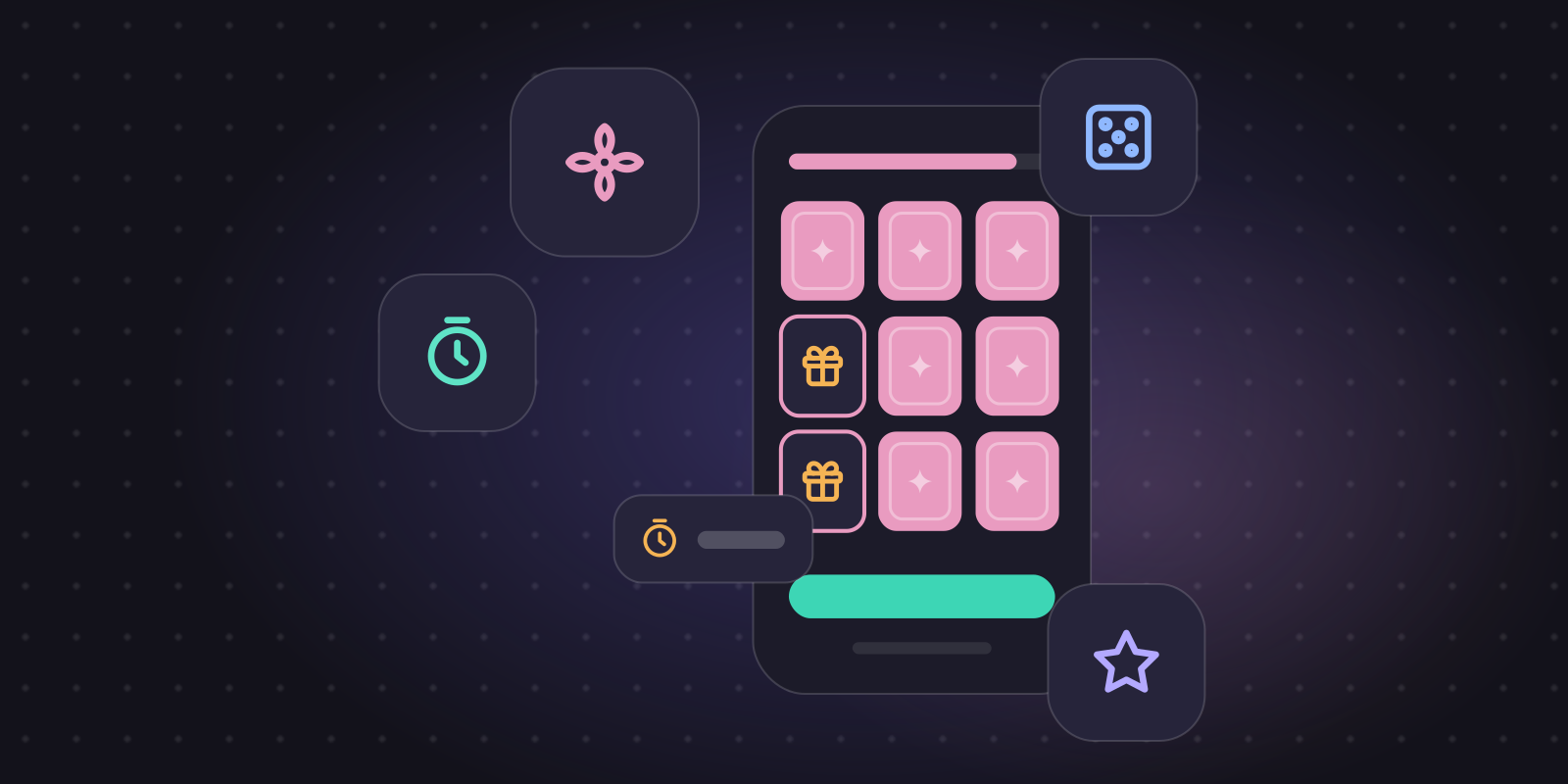
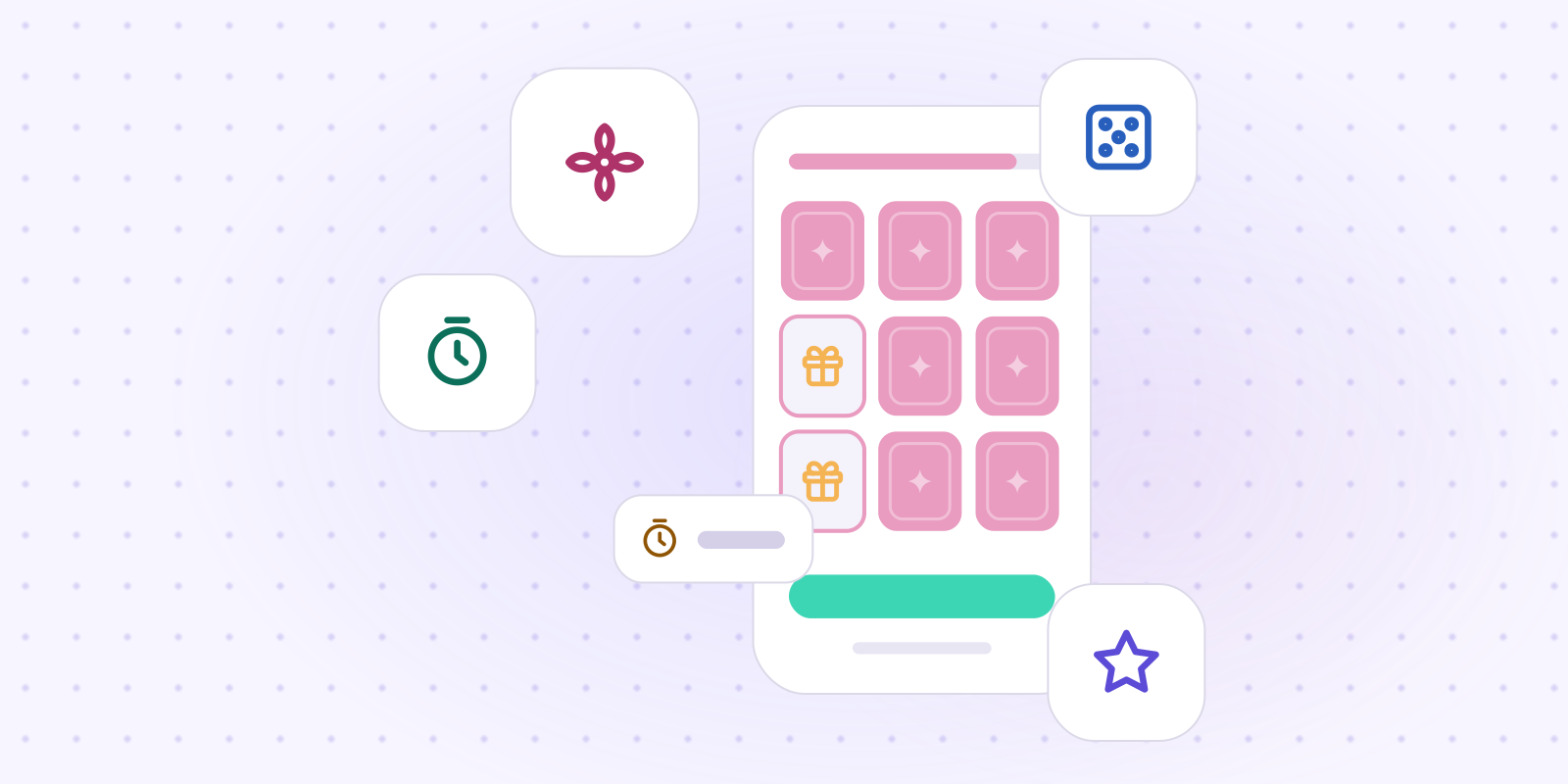
A memory game with cards illustrated by a Mexican artist, showing marigolds, papel picado, pan de muerto and candles, is simple, beautiful and suitable for families. Add a small prize draw and a link to the artist's work.
8. Pan de muerto finder for bakeries and food brands
Bakeries, supermarkets and food brands can build a product finder that recommends breads, chocolate or ingredients for the altar and the family table, with a link to order. Keep the tone warm and practical.
9. Event registration for a celebration
Restaurants, cultural centres and brands that host a Día de los Muertos dinner, workshop or exhibition can use pre-registration to manage places and collect consent. Partner with local Mexican associations, especially in European cities with smaller communities.
10. Family recipe collection
Many families cook the favourite dishes of their loved ones for the altar. A short form inviting people to share a family recipe, with a prize draw as a thank-you, can turn into a lovely recipe collection. Ask for consent to publish, and give credit to the people who shared.
Prizes That Fit the Occasion
- Artwork, prints or crafts from Mexican artists and makers
- Pan de muerto, chocolate or a hamper from a Mexican bakery or shop
- Tickets to a cultural event, exhibition or concert
- A donation in the winner's name to a cultural organisation
- A family dinner at a Mexican restaurant
Our competition idea generator can give you more ideas, and the competition terms generator helps you draft terms.
Sign-ups, Consent and Local Rules
- Make newsletter consent a separate, unticked checkbox, never a condition for joining a vote or seeing the content.
- For photo or recipe entries, ask separately for permission to publish.
- Offer the campaign in Spanish where your audience prefers it, and have the texts written or checked by a native speaker. Rex, our AI assistant, can translate as a first draft.
- Prize promotion rules differ between countries, including Mexico and US states. Check local rules before you launch.
Our consent text generator helps you word the checkbox, and our guide to competitions and GDPR covers data collection in Europe.
What to Measure
- Participation and completion (for quizzes, how many learned something new)
- Opt-in rate compared with your other campaigns
- Votes, donations and number of shared entries
- Sentiment in comments, including any criticism, read carefully
- Store visits or sales of altar-related products, if relevant
FAQ
Is Day of the Dead the same as Halloween?
No. Halloween on 31 October has different roots and is mostly about costumes and fun scares. Día de los Muertos on 1 and 2 November is about remembering and welcoming back loved ones who have died. Keep the two campaigns separate.
Can a non-Mexican brand run a Day of the Dead campaign?
Yes, if it does so with respect and substance: involve people from the community, work with and pay Mexican artists, explain the meaning, and avoid treating the symbols as costume or decoration. If your brand has no connection to the audience, a smaller, educational campaign is safer than a big promotion.
When is Día de los Muertos in 2027?
On Monday 1 and Tuesday 2 November 2027. The dates are fixed every year, with preparations starting in the last days of October.
What should a Day of the Dead campaign avoid?
Morbid sales copy, "sexy" or spooky versions of the catrina, sugar skulls as Halloween decoration, and asking people to share their grief as a condition for winning something.
What is a good Day of the Dead giveaway?
Prizes connected to the tradition and the community: artwork from Mexican artists, a hamper from a Mexican bakery, tickets to a cultural event, or a donation to a cultural organisation in the winner's name.
Plan a Respectful Day of the Dead Campaign
Done with care, a Day of the Dead campaign can teach, connect and celebrate, and give your audience a reason to stay in touch. Explore all our game formats, try them in a free 14-day trial, or book a meeting if you want to talk through your idea first.