


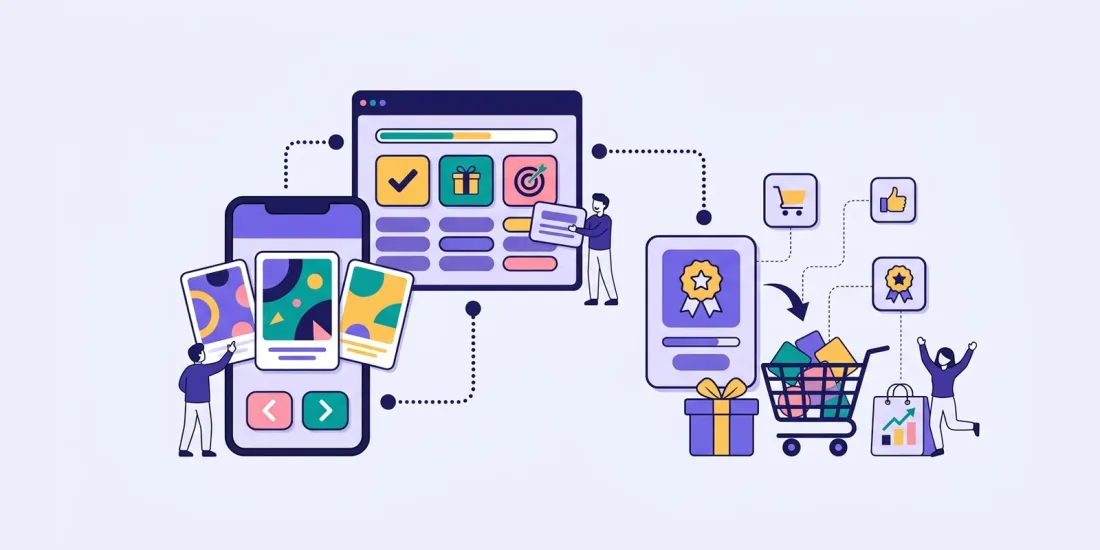
Most shoppers don't struggle with too little choice. They struggle with too much. Guided selling helps by asking a few smart questions and pointing each customer to the products that actually fit them. Add game mechanics on top, and the process stops feeling like a form and starts feeling like something people want to finish.
Done well, gamified guided selling lifts engagement, moves more people towards a purchase and gives you first-hand data about what your customers want.
Why Gamification Works
Gamification means adding game-like elements, such as challenges, choices, progress and rewards, to something that isn't a game. In marketing, that turns a passive visit into an active interaction. People remember what they took part in, and they're more willing to share their preferences when they get something useful back.
Gamified Guided Selling: Engaging Customers Through Smart Experiences
Guided selling uses interactive tools to understand a customer's preferences, needs and behaviour, then recommends the right product. The result is more relevant recommendations, happier customers and stronger brand loyalty.
Several Scratcher formats are built for exactly this:
- Quiz: Help users find the best product with a short series of questions. A skincare brand could guide customers to the right moisturiser based on their skin type and routine.
- Personality Test: Turn product discovery into something fun and shareable. A fashion brand might ask "What's your holiday party style?" and recommend outfits that match each result.
- Vote: Let customers vote between product styles or preferences. It's a light-touch way to engage and collect insight for future targeting.
- Product Battle: Pit two products, designs or ideas against each other ("Which phone case fits your vibe?") and use the winner to suggest related products.
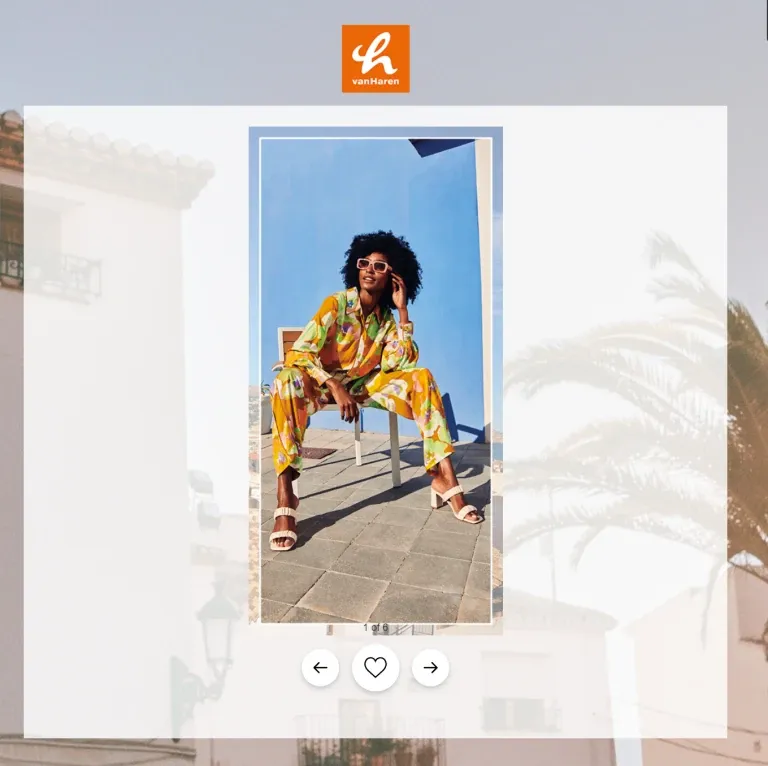
- Swipe It: Like or skip? Let users swipe through options, dating-app style, then recommend their top picks based on what they liked.
These formats don't just entertain; they guide. And guided selling doesn't have to stay online. In physical stores, QR codes on shelves or signage can link to a short quiz on the customer's phone. It's an easy way to offer help when no staff are free, while collecting valuable zero-party data.
You can also pair guided selling with rewards. Offer a discount or a prize draw entry when users complete the journey. That makes people more likely to share their preferences and contact details, so your next campaigns can be more personalised.
Interactive Formats You Can Use for Guided Selling
Here are three examples of guided selling in practice.
1. Personality Tests for Retail
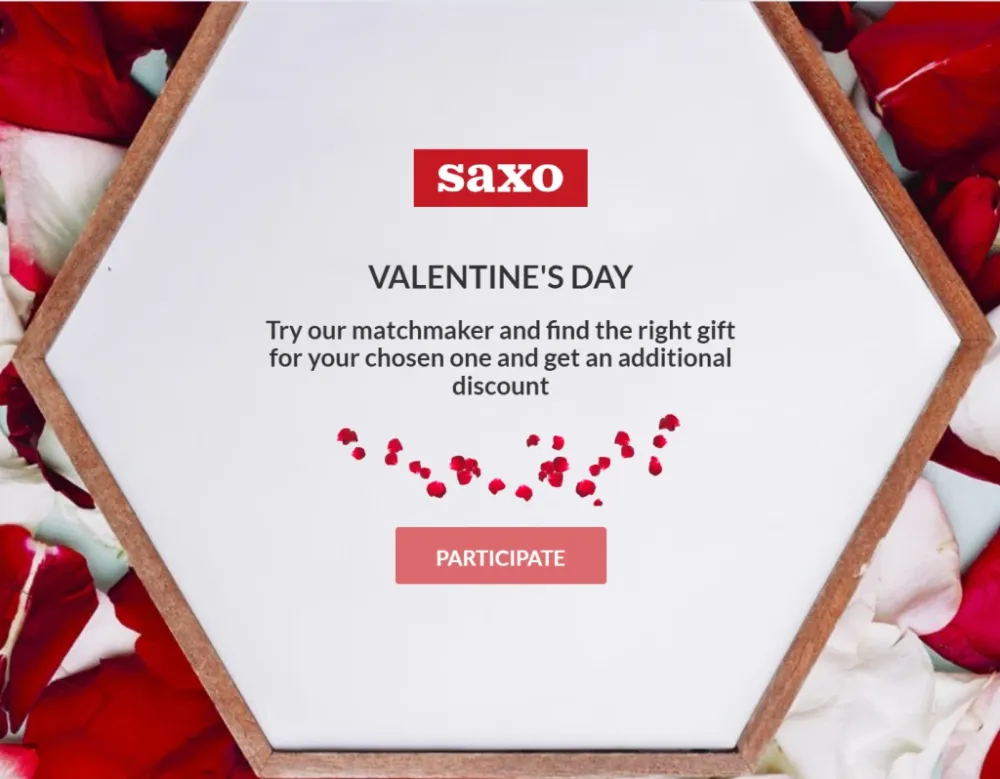
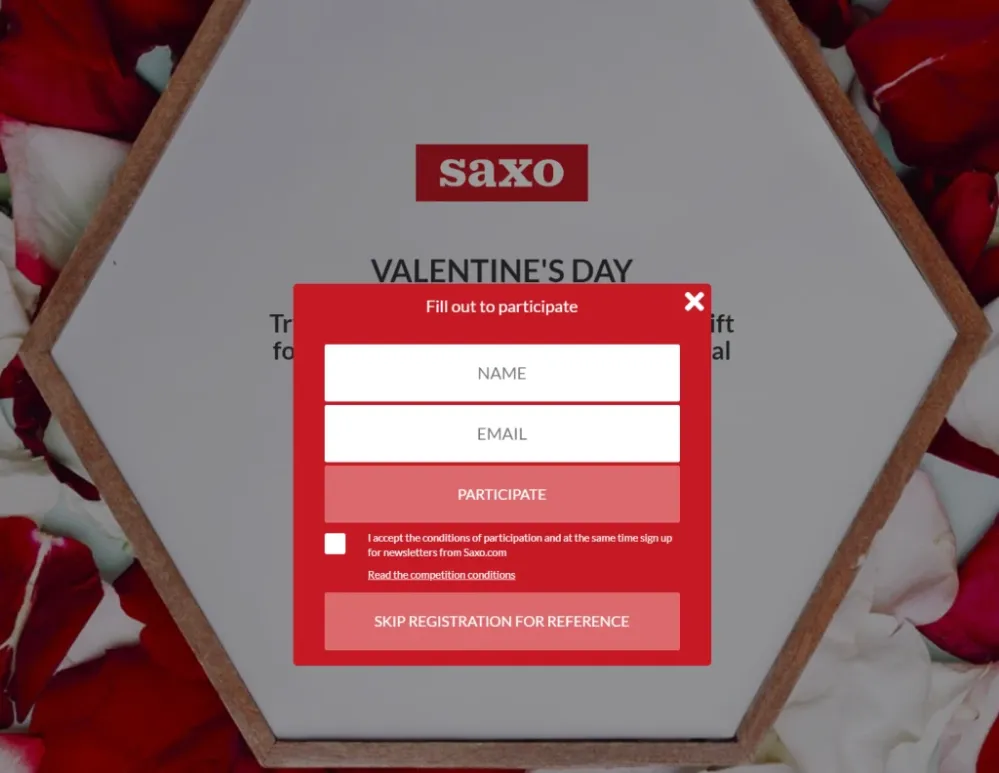
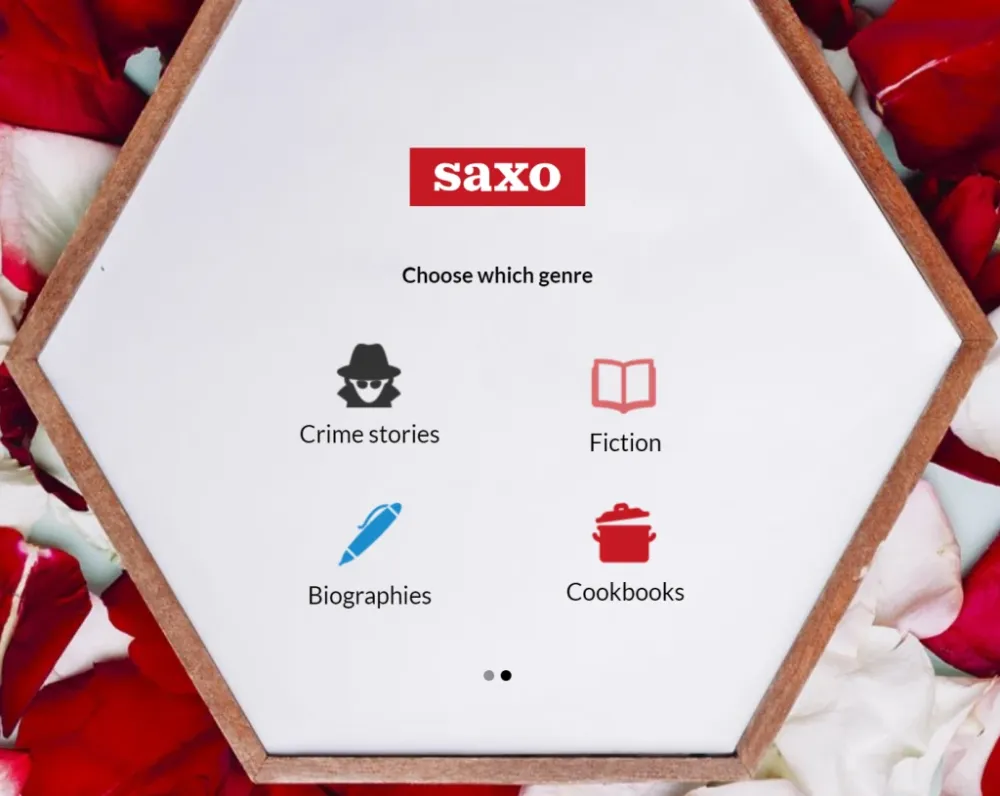
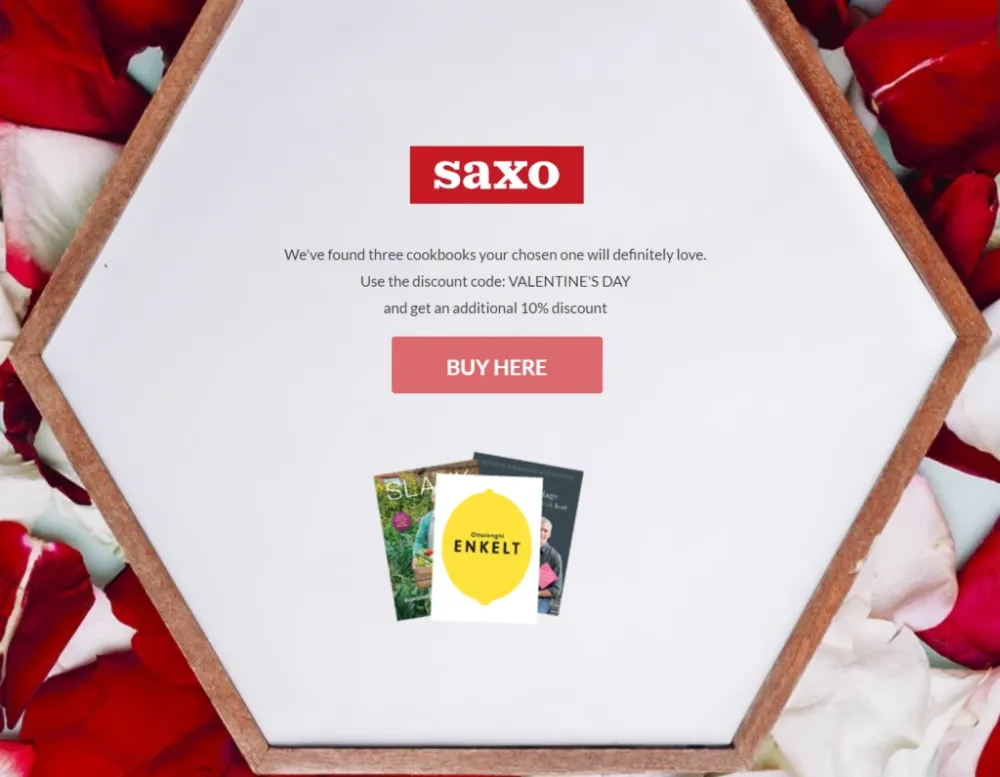
Retailers can use personality tests to recommend products based on customers' answers. Saxo, an online bookstore, built a Valentine's Day matchmaker that asks about reading preferences and suggests books to match. Shopping becomes more engaging, and the customer leaves with a concrete reason to buy.
2. Interactive Quizzes for E-commerce
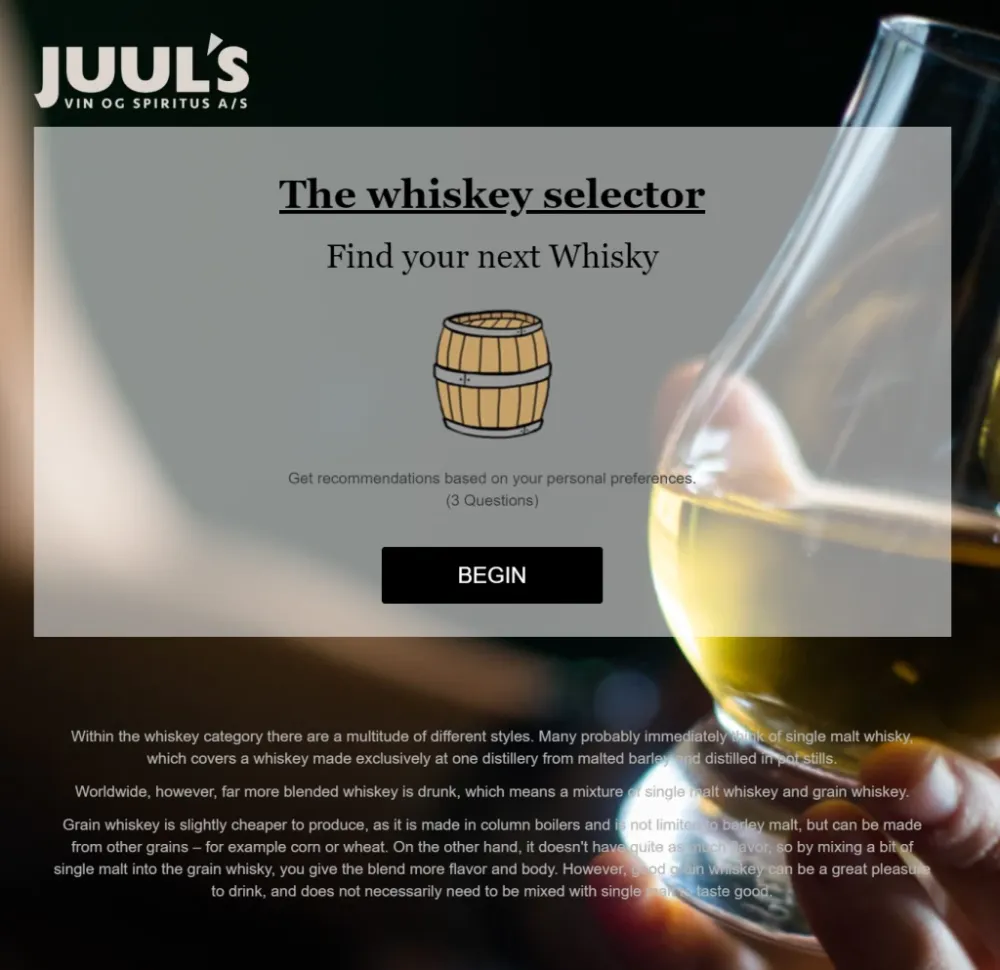
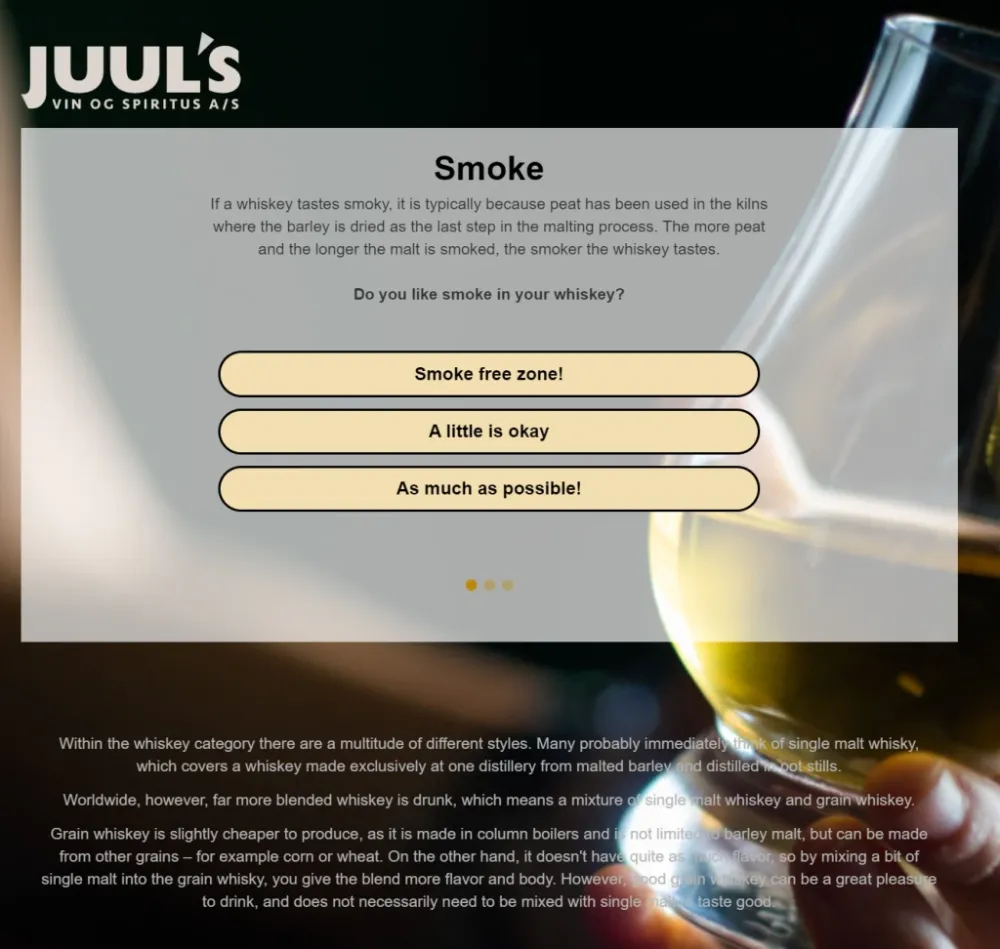
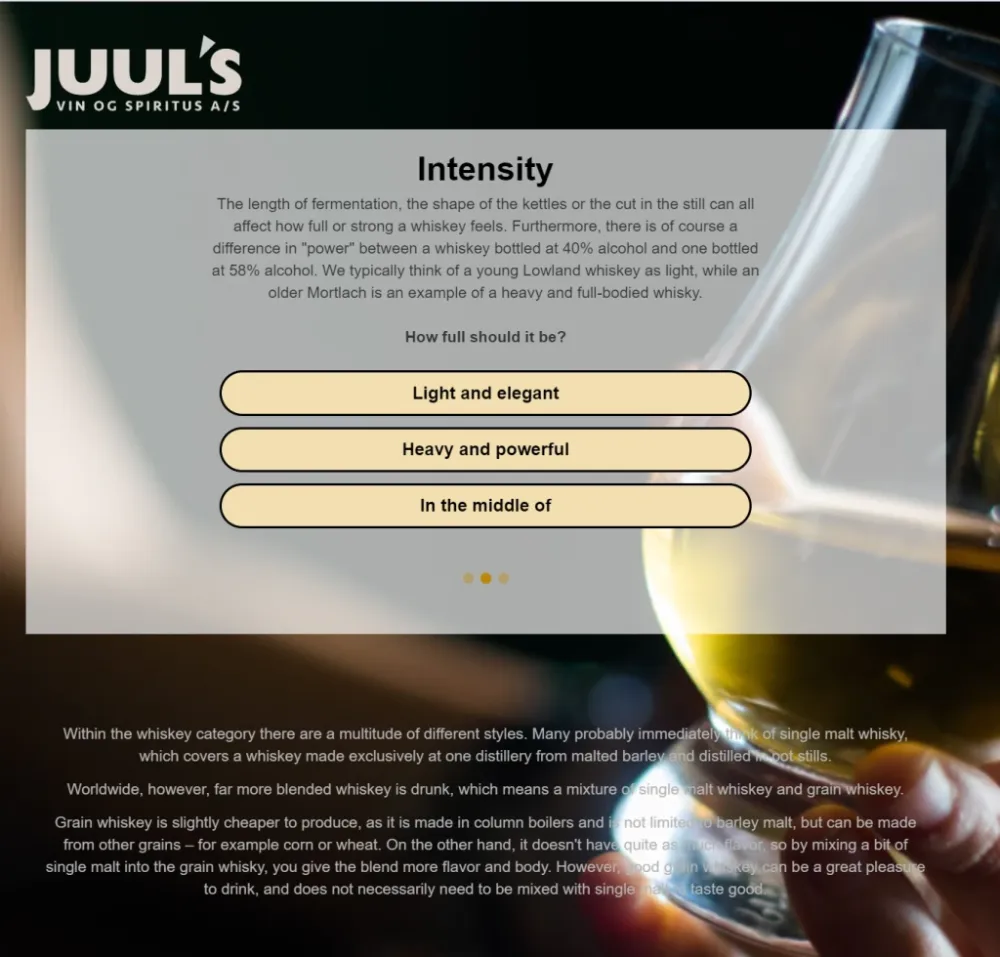
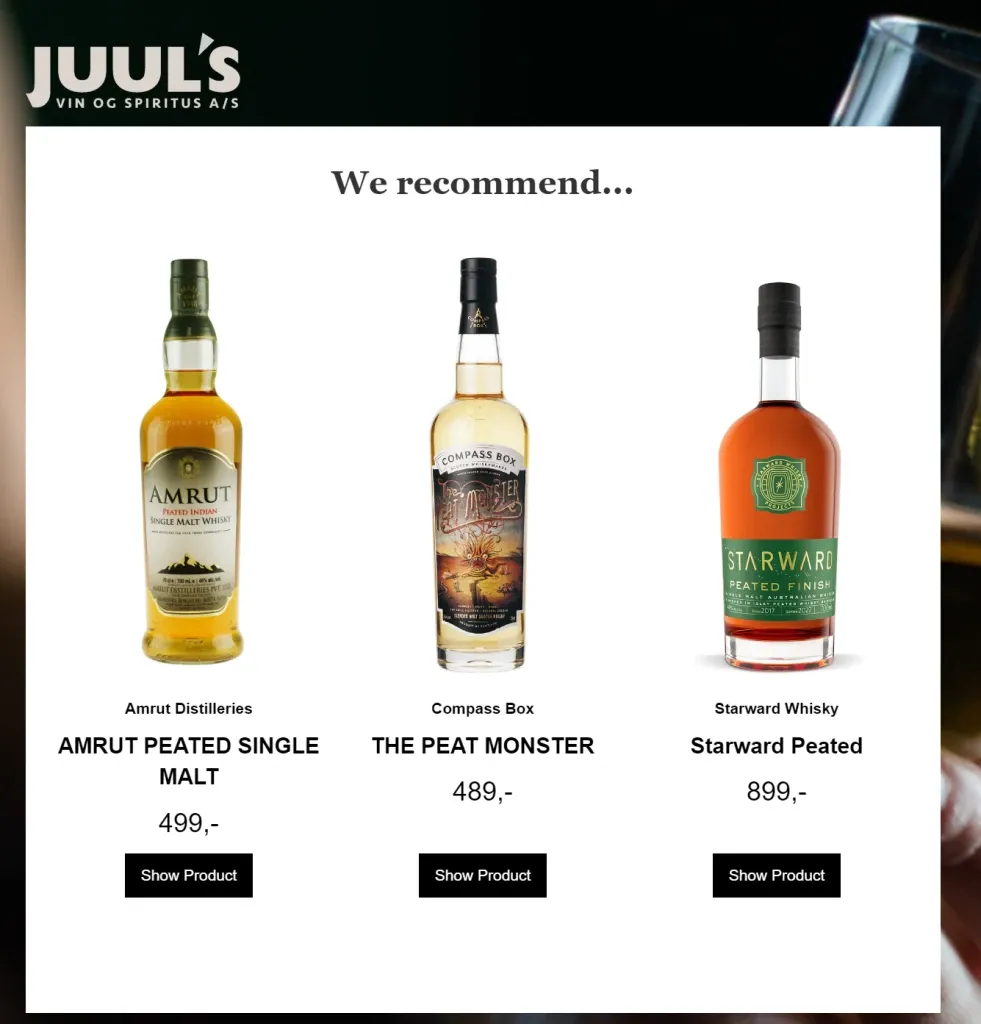
Webshops can use quizzes to narrow down a large range. Juul's whisky selector asks customers about their taste, such as how smoky and how full-bodied they like it, and recommends the bottles they're most likely to enjoy. It drives sales and gives the shop data it can use to sharpen future campaigns.
3. Swipe It for Consumer Goods
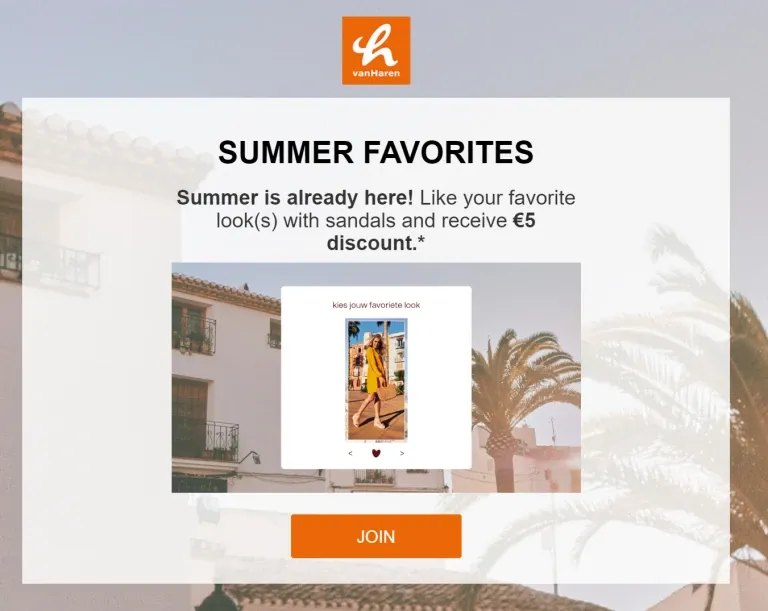
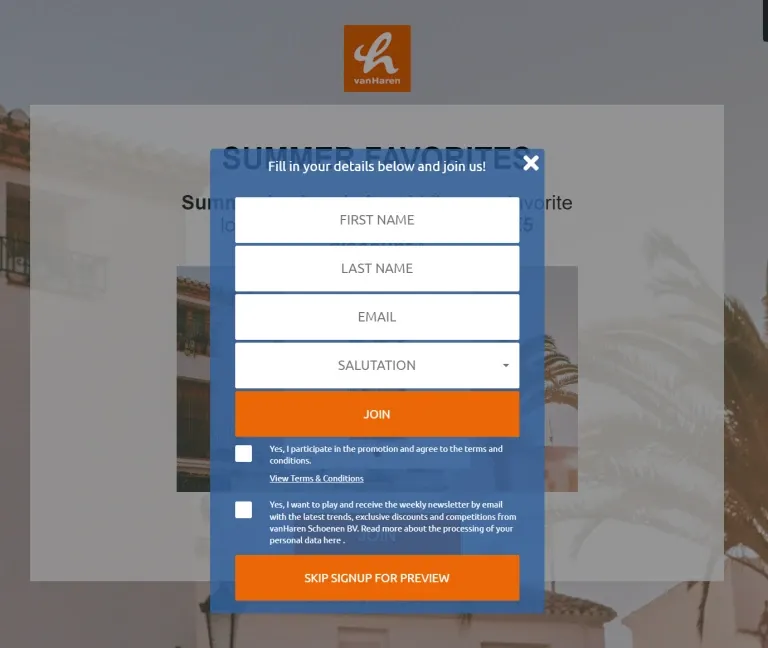
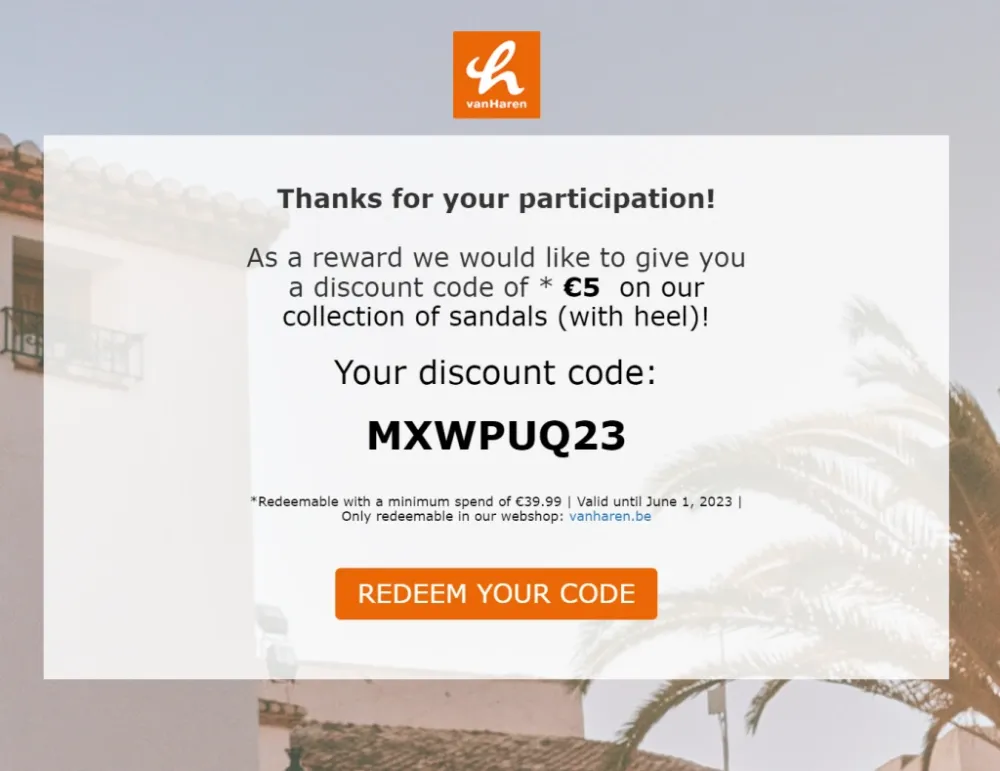
Much like a dating app, the swipe format lets customers flick through products and pick their favourites. vanHaren used it for a summer shoe campaign, rewarding players with a €5 discount code. It's quick, fun and good at narrowing choices down to a purchase decision.
For a closer look at how these recommendation flows are put together, read the anatomy of a product match format.
Benefits of Guided Selling
- A personalised experience: Customers get recommendations tailored to their needs, which makes shopping easier and more satisfying.
- More conversions: Relevant suggestions and a clear next step make it easier for customers to decide, which helps more of them buy.
- Useful data: Every answer tells you something about customer preferences and behaviour, which you can use in future marketing and product development.
- Stronger loyalty: A helpful, enjoyable shopping experience gives people a reason to come back.
Start Guiding Your Customers
Gamification and guided selling work best together. One makes the experience enjoyable; the other makes it useful. Combine them and you get better customer experiences, more sales and data you can act on.
Pick a quiz, personality test or swipe game, add your products and publish it as a landing page, pop-up or embed on your own site. No coding needed. Start your free 14-day trial and build your first guided selling campaign today.