


In 2027, first-party and zero-party data will matter more than ever, but not because third-party cookies disappear. Chrome is keeping them. What changes is trust and consent: fewer people click "accept all", EU cookie rules are being reworked but banners are staying, AI personalisation makes people nervous, and new consumer rules target manipulative design. The brands that do well will ask openly for data, explain what they do with it, keep proof of every consent and use the answers quickly.
This article looks at the privacy and data trends that will shape marketing in 2027, what is actually decided and what is still a proposal. Every number links to its source.
The cookie story took a turn
For years, marketers prepared for the end of third-party cookies in Chrome. It did not happen. In April 2025 Google said it would keep its current approach to cookie choice in Chrome, and in October 2025 it retired most of the Privacy Sandbox technologies, including Topics and Protected Audience, citing low adoption.
So why does first-party data still matter in 2027? Because the cookie was never the real problem. The real problem is that tracking without people noticing gets less effective and less accepted every year:
- Other browsers already limit cross-site tracking.
- Consent banners mean a growing share of visitors are never tracked at all.
- AI assistants answer questions before people reach your website, so there is less behaviour to observe in the first place.
Data that people give you on purpose does not depend on any of that. That is the shift for 2027: from data you collect about people to data you collect from them.
Cookie banners in 2027: what is really changing
The EU's Digital Omnibus package includes changes to the cookie rules. Headlines have promised the end of cookie banners. The details say otherwise.
According to a summary by the law firm Heuking, published in October 2026:
- The Council adopted its position on 21 October 2026. The European Parliament has not yet adopted its position, so the final text is still open.
- The rules are expected to stay in the ePrivacy framework rather than move into the GDPR, as the Commission first proposed.
- Some uses would no longer need consent, such as certain aggregated audience measurement and security purposes.
- After a refusal, a site would have to wait before asking again. The Council's text shortens that period from six to four months.
- Consent stays the general rule for everything else. New rules are not expected to apply before 2027.
Our prediction: in 2027 cookie banners will still be there, but they will ask about fewer things, and a "no" will stick for longer. That makes the first visit even more important. If someone says no to tracking, the only way to know them is to give them a reason to tell you who they are.
The trust gap is the real trend
The numbers on consumer trust are sobering, and they point in one direction.
- In a survey of 11,000 consumers in seven markets, 71% said AI-driven personalisation feels intrusive, and 48% said they click "accept all" less often than three years ago.
- Capgemini's 2026 consumer study found that 71% are worried about how generative AI uses their personal information, and 76% want to set boundaries for AI assistants.
- Thales' Digital Trust Index 2026 reported that only 23% trust companies to use AI responsibly with their data.
There is also an upside. The same Usercentrics study found that 52% of consumers would pay more for brands that are open about how they use AI. Trust is not only a risk to manage. It is something people value.
7 first-party data trends for 2027
1. Declared data becomes the base for personalisation
Inferred data guesses. Declared data knows. When someone tells you they are shopping for a gift, prefer SMS or have curly hair, you do not need a model to work it out. In 2027 we expect more brands to build segments mainly on what people have said, and use behaviour to refine it. Our guide to zero-party vs first-party data explains how the two fit together.
2. Consent becomes part of the experience, not a hurdle
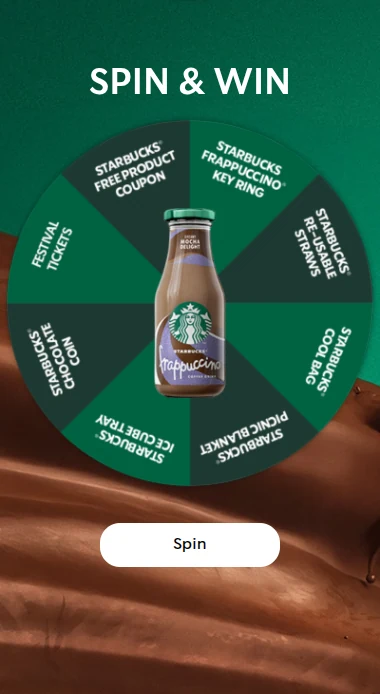
The best consent requests in 2027 will feel like a fair deal, not a legal form. People see what they get (a game, a chance to win, a personal result), what they give (an email, an answer) and what happens next (a newsletter, a tip, an offer). This is why games work so well for consent: the value exchange is obvious. See how gamification turns data collection into a win-win.
3. Fewer questions, better questions
Data minimisation is a legal principle, but in 2027 it will also be good marketing. Every extra field lowers sign-ups, and every unused answer is a liability. Ask one question you will use this month, not five you might use someday. Our guide to sign-up form fields shows what to ask and what to skip.
4. Proof of consent becomes a standard requirement
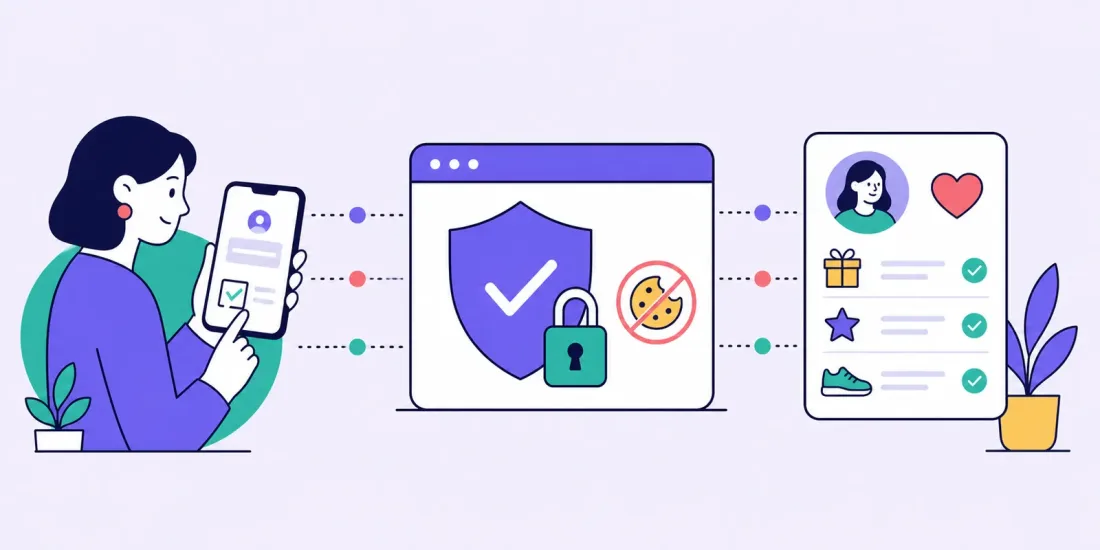
When a regulator, a customer or your own legal team asks "where did this person say yes?", you need an answer. Expect more companies to require that every sign-up stores the exact consent text, the time and the source. In Scratcher, each answer is saved with the text, time and IP address, as described in the help article on consent and permissions. Double opt-in adds a confirmed email on top.
5. Consent travels with the data
A consent that stays in one system is not much use. In 2027 more teams will make sure only people who said yes reach the email tool, and that the consent status follows the contact through the CRM. Our help article on how integrations work explains how to send only consented contacts onwards.
6. Retention periods get shorter and automatic
Keeping data "just in case" is going out of fashion, and for good reason. Set how long you keep competition data, and delete it automatically when the time is up. Scratcher can delete participant data automatically after a campaign ends. The GDPR and your data article in the help center shows the settings.
7. AI on customer data needs clear limits
As AI moves into marketing tools, people will want to know what it can see. The EU AI Act's transparency rules started to apply in August 2026, including the duty to tell people when they are talking to a chatbot, according to an overview by Goodwin. We expect buyers to ask vendors more questions about where personal data goes when AI is used. Scratcher's answers are in the security FAQ: participants' names, email addresses and phone numbers are never sent to the AI provider.
New consumer rules on the horizon
Privacy law is only part of the picture. The European Commission's planned Digital Fairness Act targets dark patterns, addictive design and unfair personalisation, with a proposal expected in the fourth quarter of 2026. It will take time before any new rules apply, and the final text may look different.
For data collection, the practical message is already clear: pre-ticked boxes, hidden marketing consent, confusing "no" buttons and personalisation that exploits weak moments are on their way out. If your sign-up flow would feel uncomfortable on the front page of a newspaper, change it now.
What this means for gamified campaigns
Games, quizzes and competitions are among the most common ways to collect first-party data, so they will feel these trends directly. Our expectations for 2027:
- The consent box gets more attention. Taking part in a game and saying yes to marketing should be two separate choices. Making marketing consent a condition of entry is restricted in some countries, so check the rules for each market. Our guide to competitions and the GDPR goes through it.
- Questions get sharper. A quiz that asks three useful questions beats a form that asks ten. Every answer should feed a segment or a message.
- Prizes match the audience. A prize tied to your own products attracts people who want your products, which makes the data more useful and the consent more meaningful.
- Fair play protects the data. Fake entries and duplicate accounts pollute your list. The help article on preventing cheating shows the settings that keep the data clean.
The gamification marketing trends for 2027 article covers the wider picture for games.
What to do now
| Area | Action |
|---|---|
| Sign-up forms | Remove fields you don't use. Add one preference question you will use within a month. |
| Consent text | Write it in plain words. Separate taking part in a game from saying yes to marketing. |
| Proof | Check that every sign-up stores consent text, time and source, and that you can find it quickly. |
| Data flow | Make sure only consented contacts reach your email and SMS tools. |
| Retention | Set a deletion date for every campaign before it goes live. |
| AI | Ask your vendors what personal data their AI features see, and write the answer down. |
The free consent text generator gives you a starting point for clear wording. For campaigns in Denmark and the EU, see our guide to running online competitions.
FAQ
Are third-party cookies going away in 2027?
Not in Chrome. Google decided to keep its current approach to third-party cookies and retired most of its Privacy Sandbox technologies in 2025. Other browsers already restrict them, and consent banners limit tracking in the EU.
Will cookie banners disappear in the EU?
Unlikely. The Digital Omnibus proposals would remove the need for consent for a few purposes and make refusals last longer, but consent remains the general rule, so banners will still be needed for most marketing cookies.
What is the difference between zero-party and first-party data?
First-party data is everything you collect directly from your own audience, including behaviour on your site. Zero-party data is the part people actively and knowingly tell you, such as preferences and plans.
How do I collect zero-party data in a privacy-friendly way?
Ask few, useful questions, explain why you ask, give something back, keep marketing consent separate and optional, store proof of consent and delete the data when you no longer need it. Games, quizzes and polls make the exchange clear.
Build on data people give you
In 2027 the safest data is the data people choose to share. You can start a free 14-day trial and build a quiz or a game with a consent form today, read about Scratcher's security and data handling, or book a meeting to talk through your setup.