


FMCG marketing has a built-in problem. You make the product, you pay for the media, the packaging and the shelf placement, but the shop owns the till. When a consumer buys your yoghurt, crisps or shampoo, the retailer learns who they are. You usually do not.
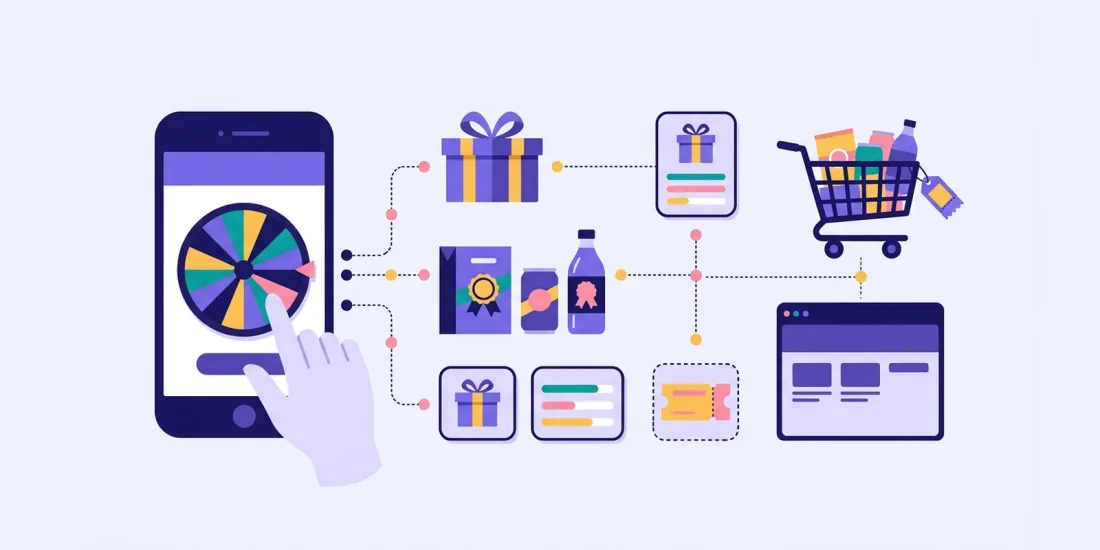
Gamification gives fast-moving consumer goods brands a direct line to the people who buy them. A QR code on the pack, a sampling game or a product quiz invites consumers to play with your brand, leave their details with consent and tell you what they think. This playbook covers how consumer goods brands use games for on-pack promotions, retail media, sampling and first-party data, with real examples and the KPIs to track.
The FMCG problem: no direct customer data
Most FMCG and CPG brands face the same gaps:
- The shop owns the customer. Your buyers pay at someone else's till, so purchase data and contact details stay with the retailer.
- Launches vanish on the shelf. A new product competes with hundreds of others, and many shoppers never try it.
- Ads get scrolled past. Paid media buys a few seconds of attention, if you are lucky.
- Feedback is slow and indirect. You hear what consumers think through panels and sales figures, not from the people who just tried your product.
As third-party cookies fade and media costs rise, owning a relationship with your consumers becomes more valuable. But consumers do not give their email to a crisps brand for no reason. You need to offer something: a moment of fun, a chance to win, a free sample or useful advice. That is exactly what a game does.
On-pack QR codes and in-store promotions
Your packaging is your biggest media channel. It is in the shop, in the trolley and on the kitchen table. A QR code turns it into a door to your brand.
How on-pack promotions work
Print a QR code on the pack, a shelf sign or a display. Consumers scan it with their phone camera and land straight in the game. No app is needed. They fill in a short form, give their consent if they want to hear from you, and play.
Ideas for on-pack and in-store campaigns:
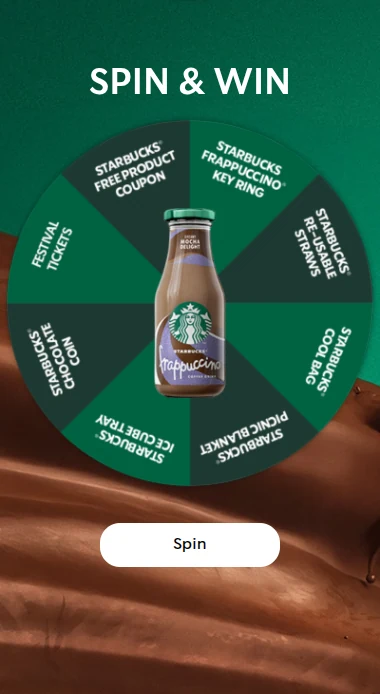
- Scan and win. A scratch card or a spin the wheel with instant prizes, such as free products or discount coupons.
- Vote for the next flavour. Let consumers choose between a few new flavours or designs, and launch the winner. It builds anticipation and tells you what people want.
- A code hunt. Hide hints for a lucky number game on packs, in ads and on social media. People who follow your brand have the best chance to crack the code.
- A product quiz. "How well do you know our ingredients?" or "Which flavour are you?" on the side of the pack.
Keep entry simple
Many consumer goods promotions ask people to buy first and then enter. That can work, but rules for purchase-linked competitions differ between markets, so check them before you decide. A free-to-enter game, where the QR code simply leads to the campaign, lowers the barrier for everyone who sees the pack.
This article is general information, not legal advice. Rules differ between countries and change over time, so check the current rules and get legal advice before you launch a campaign.
See where your players come from
Use a separate link and QR code for each pack, display or shop chain. You can then follow visits, players and sign-ups per placement in near real time, and see which touchpoints actually work. Read more about QR code campaigns.
From physical wheels to digital ones
Norwegian agency Nova Vista, which works with brands such as Pepsi Max and 7Up, used to run physical wheels of fortune at brand activations. They could engage around 25 to 30 people per hour. By switching to a digital wheel, including a campaign where people scanned QR codes while out and about, around 11,000 people took part, with an 89% conversion rate against a 50% target. Read how Nova Vista reshaped retail activation.
Retail media and partner campaigns
Retail media has grown from a few digital shelf placements into a strategic channel for many retailers, and they are looking for formats that do more than display banners. Interactive campaigns are one answer, and they let FMCG brands and retailers work together.
How nemlig.com sells interactive retail media
Denmark's largest online supermarket, nemlig.com, offers interactive campaigns built with Scratcher as part of its retail media offering. Brands can buy them alongside display advertising and promotional placements.
One of the most powerful metrics nemlig shares with brands is time spent with the brand. As Frederik Eisig from nemlig's Retail Media team puts it, they can tell a brand that consumers collectively spent 24, 35 or even more hours engaging with their brand during a campaign.
nemlig's Christmas calendar is a good example of a partner campaign. Instead of one headline sponsor, nemlig put a different FMCG brand behind each of 24 doors. Each brand got its own day with shoppers, and consumers got new prizes, products and brands every day.
Read the full story: how nemlig uses interactive campaigns to build stronger FMCG brands through retail media.
What this means for brands
If you sell through a retailer with a retail media offer, ask whether interactive formats are available. If you run your own campaigns, consider partnering with a retailer so the campaign carries both brands. Just be clear in the form about who is collecting the data and who will contact the consumer.
Product sampling with games
Sampling traditionally means handing out products and hoping for the best. A game makes it measurable and spreads it further.
Burger King's gamified Whopper launch
When Burger King relaunched its improved Whopper in Denmark and Sweden, it skipped the big launch event in one restaurant. Instead it ran a nationwide mystery box game over seven days. People played online for a free Whopper or discount coupons for other products, and the visits were spread across many restaurants and days.
The results:
- 140,000+ unique participants
- 6,292 people tried the new Whopper for free
- 45.5% redemption rate for the free Whopper coupons
- 9% increase in Whopper orders during the campaign
Burger King also saw significant growth in its permission base, which was not even an original goal. Read how Burger King reinvented product sampling.
Sample, then ask
nemlig.com took sampling a step further with a premium fresh produce brand launching a new tomato product:
- Consumers selected a free sample as part of their grocery order.
- A week later, they received an interactive five-question survey with a prize draw.
- Two weeks later, the brand ran a retail media campaign on the platform.
nemlig expected a 5–10% response rate on the survey. It got more than 35%, and learned that a significant share of the people who tried the product had never experienced the brand before.
Tips for a sampling campaign
- Give the product itself as a prize, so people actually taste or try it.
- Add discount coupons for everyone else, so the game still leads to a purchase.
- Follow up with one or two questions about the product after people have tried it.
Building a first-party data base
Every game is a chance to learn something, but only if you plan for it. Think of each campaign as one step in building a consumer database you own.
Collect consent first
Make the newsletter permission a clear, separate choice in the sign-up form, and write your own consent text. You decide what you ask for and when the data is deleted. The data belongs to you, not the shop.
Ask one useful question at a time
Do not turn the form into a survey. Add one or two questions per campaign that help you segment, such as:
- "How often do you buy [category]?"
- "Which flavour do you prefer?"
- "Who do you usually shop for?"
Over several campaigns, you build a rich profile without ever asking too much at once. Our page on data enrichment explains how to ask the right questions.
Personalise what comes next
Yuaia Haircare used a personality test on its website to recommend a personal hair routine, and used the answers to tailor its emails. Combined with spin the wheel and scratch card games, it lowered its lead price by around 50%. The same approach works for food, drinks and personal care: ask about taste or needs, and send content that matches.
Connect it to your tools
Send sign-ups and answers straight to your email tool or CRM with a native integration, Zapier, webhooks or the API. Data that sits in a spreadsheet is data you will not use.
FMCG marketing KPIs to track
Pick the KPIs that match your goal before you launch. For consumer goods brands, the most useful are:
- Scans per placement: how many people scanned each pack, display or shop QR code
- Participation rate: the share of visitors who play
- New permissions: consented contacts you can reach again
- Time spent with the brand: total and average engagement time
- Coupon redemption rate: how many won coupons were used in store
- Survey response rate: for sampling and feedback campaigns
- New-to-brand share: how many players had not bought your brand before
- Cost per lead, compared with your other channels
Start with three or four of these, and add more as your programme grows.
Getting started with FMCG gamification
You do not need a big launch to begin. Start with one QR code on one pack or display, one simple game and one clear prize. Learn from the results, then scale to sampling, retail media and always-on campaigns. See more ideas on our consumer goods page.
Ready to meet the people who buy your products? Start a free 14-day trial, or book a meeting to plan your next launch with us.