



Rasmus Mogenstrup
Paid Social Director at PL & Partners
Lead generation has moved on, but many businesses are still using yesterday's tactics. Brands that want to stand out need more than a form and a promise. They need to create experiences. That's where gamification marketing comes in.
Instead of collecting leads through static forms and trying to convert them later with repetitive emails, gamification makes the journey from lead to customer more dynamic and more human.
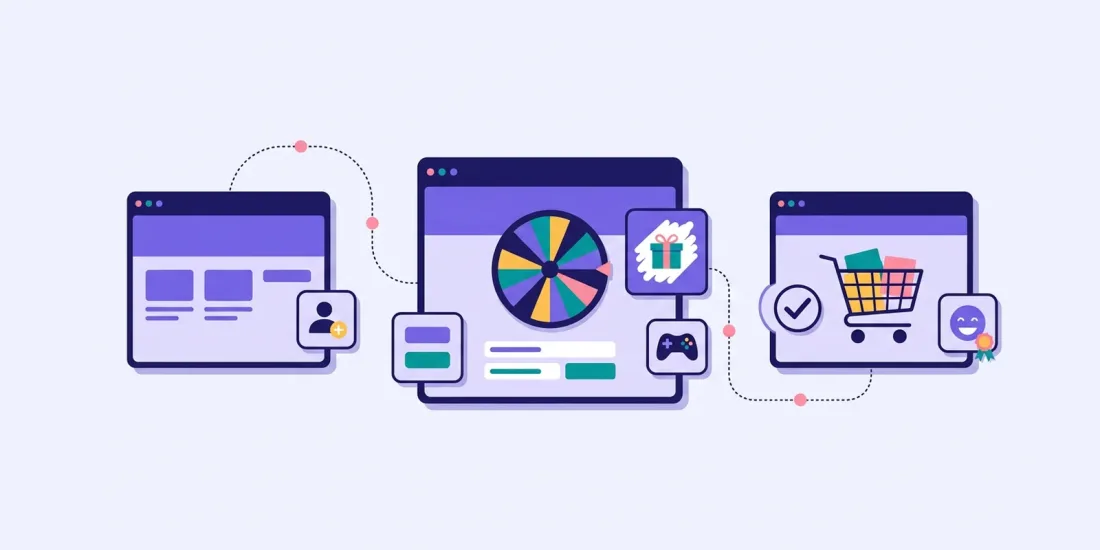
Here's how, in three steps.
Step 1: Engage – Capture Attention with Relevance and Reward
Let's start with the obvious: getting people to notice your brand isn't the hard part any more. The challenge is making that attention last.
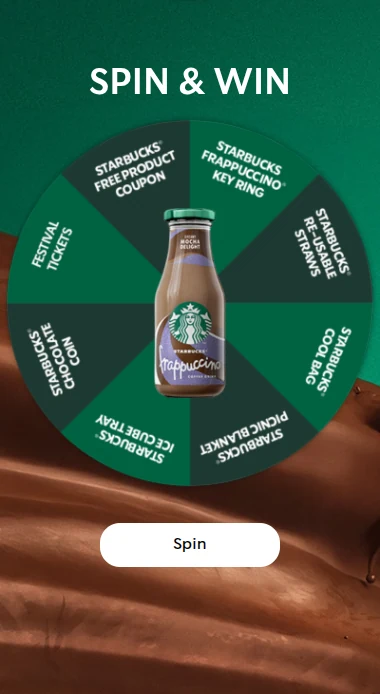
With gamification marketing, you stop asking people to "submit" their details and start inviting them into an experience. Whether it's a quiz, a prize draw or a spin-the-wheel campaign, people have a reason to take part, and participation is what drives stronger lead generation.
You're no longer hoping someone fills out your form. You're giving them a reason to engage right now.
A few things make the difference at this stage:
- A prize that fits your audience. A relevant reward attracts people who are actually interested in what you sell, not just anyone who likes winning things.
- A short, mobile-friendly flow. Keep the game and the form quick to complete on a phone.
- Clear consent. Make it obvious what people are signing up for, so the leads you collect are ones you can actually use.
If you want to see what this looks like in practice, Scratcher's approach to gamified lead generation is a good place to start.
Step 2: Nurture – Build a Relationship Through Relevance
Getting the lead is one thing. Keeping the conversation going is another.
Many leads drop off after the first touchpoint because what they receive next is irrelevant or forgettable. Gamification changes that by giving you more than an email address. You also learn about interests, behaviour and preferences, which lets you personalise your nurturing at scale.
For example, if a quiz tells you someone prefers running gear to yoga wear, your follow-up emails can reflect that from day one. Send those answers into your email platform or CRM through the integrations, and segmentation happens automatically.
You're not just adding someone to a newsletter list. You're building a relationship based on interaction and data.
Want to see how this fits into a broader strategy? PL & Partners specialises in campaigns that use gamification to drive retention, engagement and conversion.
Step 3: Convert – Drive Sales with Value, Not Just Volume
The end goal is still conversions. But with gamification marketing, you're not pushing people to buy. You're guiding them.
Rewards, time-limited incentives and exclusive access help leads take that final step. And it doesn't feel like a hard sell. It feels like the natural next move.
You're not selling harder. You're connecting smarter.
Make Every Stage Count
Too many businesses treat lead generation and conversion as separate challenges. In reality, they're part of the same conversation. Gamification lets you carry that conversation through every stage of the buyer's journey, from first click to final purchase.
That means fewer disconnected tactics and one joined-up, interactive journey.
Final Thoughts
The best marketers aren't just following the playbook; they're rewriting it. By building gamification into your marketing strategy, you create touchpoints that are engaging, measurable and built to convert.
The question isn't whether gamification works. It's how soon you're ready to use it. Try Scratcher free for 14 days and turn your next lead campaign into the start of a customer relationship.