


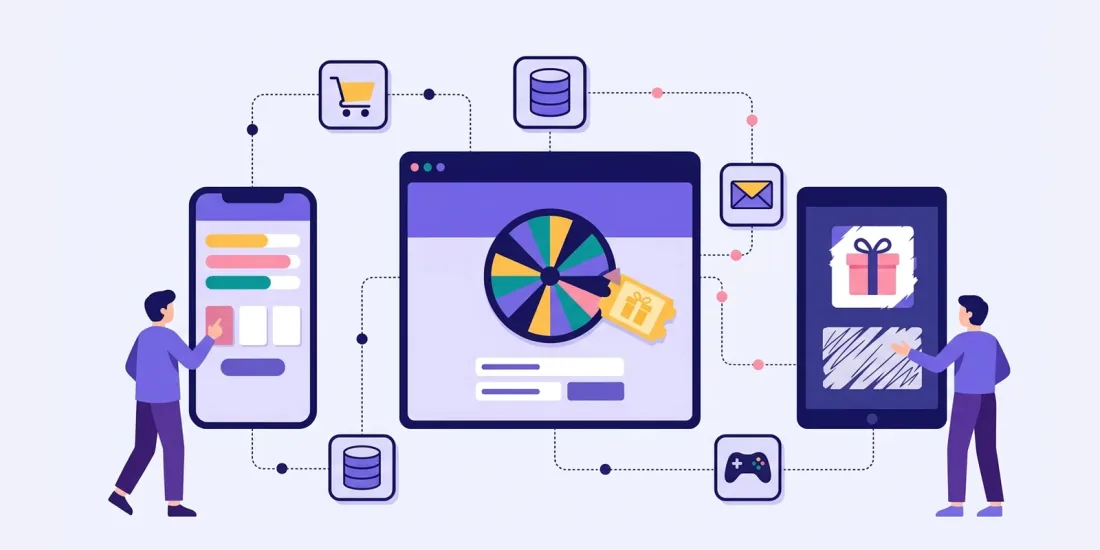
Omnichannel marketing is often misunderstood. Many brands assume that showing up on lots of platforms adds up to a seamless customer experience. It doesn't.
Customers expect more than presence. They expect relevance, interactivity and personalisation. That's where gamification marketing changes the picture.
Why Gamification Marketing Is More Than a Gimmick
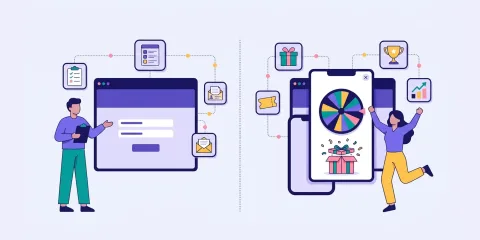
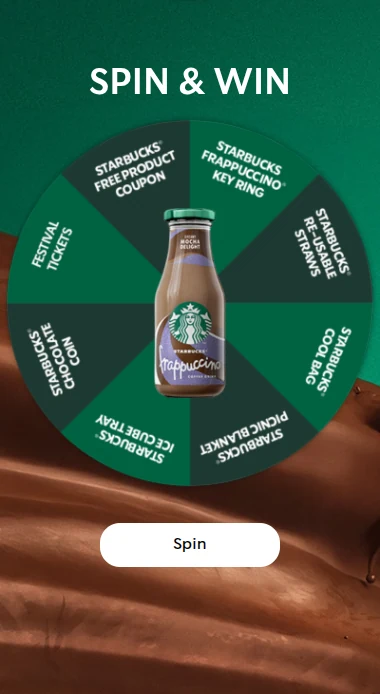
Gamification is often reduced to surface-level tactics: spin-the-wheel discounts, scratch cards or social media contests. Done right, it's a strategic framework for behaviour-driven engagement across channels.
It's not about making marketing fun. It's about making it effective.
When you add game mechanics such as points, progress and instant rewards, you create an active, two-way exchange with your customers. And that's exactly what omnichannel marketing is supposed to be.
Beyond Engagement: The Data Dividend
Here's the part marketers often miss: gamification isn't just engaging. It's a rich source of first-party data.
Every interaction in a game generates a data point: a preference, a choice, a demographic detail. Pull those together across channels and you get a customer profile that keeps updating, rather than one that sits untouched in your CRM.
With third-party cookies fading and privacy rules tightening, this isn't optional. It's essential.
Gamification as an Omnichannel Catalyst
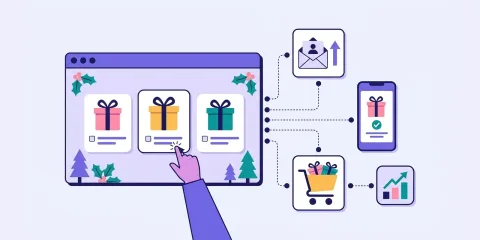
The real strength of gamification is its versatility. You're not locking people into one channel. You're creating connected experiences that drive behaviour wherever your customer is.
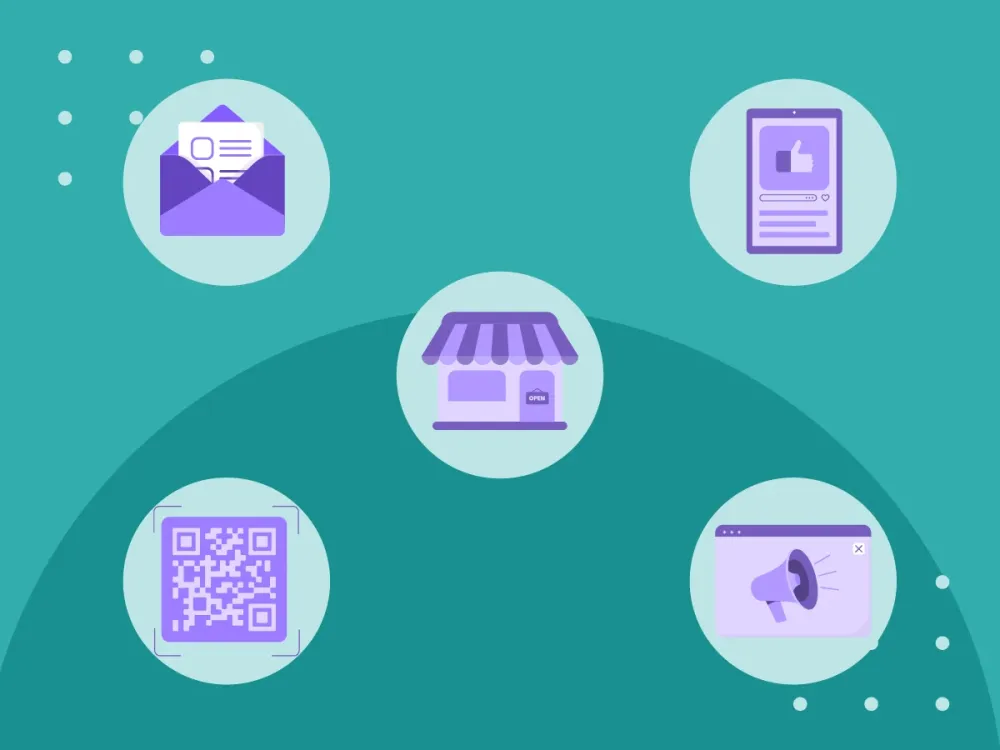
- An in-app quiz can nudge people towards a store visit.
- An online challenge can boost participation in your loyalty programme.
- A personalised game can encourage email sign-ups or product reviews.
- A QR code on packaging or in-store signage can bring offline shoppers into an online game, and into your database.
For a real example, see how POWER uses gamification to connect channels.
How to Put It into Practice
You don't need a big overhaul to make your omnichannel strategy more interactive. Start small:
- Pick one campaign moment. A seasonal sale, a product launch or a store opening gives you a natural reason to play.
- Choose a format that fits. A scratch card or wheel works well for quick wins; a quiz or personality test gives you deeper insight into preferences.
- Publish it everywhere it makes sense. In Scratcher, the same game can run as a landing page, a pop-up or an embed on your site, and you can link to it from email, SMS, social and QR codes.
- Connect the data. Send entries and answers straight to your CRM or email platform, so every channel benefits from what you learn.
- Measure and adjust. Compare which channels drive the most plays and sign-ups, then shift your effort accordingly.
Rethinking the Funnel
Gamification reframes the whole customer journey. Instead of pushing people through a linear funnel, it invites them to opt in, lean forward and help shape the experience.
That means higher engagement, better retention and richer data. It also means marketing that improves over time, not because you guessed right, but because your customers told you what works.
Gamification isn't a novelty or a nice-to-have. It's a response to how people actually want to engage: with control, relevance and a bit of fun.
Make Your Omnichannel Strategy Interactive
If your omnichannel strategy isn't interactive, it's just background noise, and background noise doesn't convert. For more on bringing channels together, read our guide to B2B gamification and omnichannel lead generation.
Ready to try it? Start your free 14-day trial and launch your first cross-channel game, no coding needed.