


Marketers love to talk about engagement. But scroll through your inbox and most brand messages still feel transactional: campaigns built on assumptions rather than interactions. If your customer journey isn't evolving, it's losing relevance.
That's where a gamification strategy comes in. Not as a gimmick, but as a different way for brands to earn attention and loyalty.
Gamification Isn't a Trend. It's a Shift in Consumer Psychology.
People aren't just scrolling any more; they're interacting. They want a say. Think of the viral appeal of Wordle: no flashy graphics, no cash prize, just a clever mechanic that sparks curiosity and commitment. That's the psychology modern marketing needs to tap into.
A gamification strategy uses the same behavioural principles. It turns customers into players and passive content into interactive experiences. It's not about adding bells and whistles; it's about making engagement hard to resist.
From Passive Audience to Active Participants
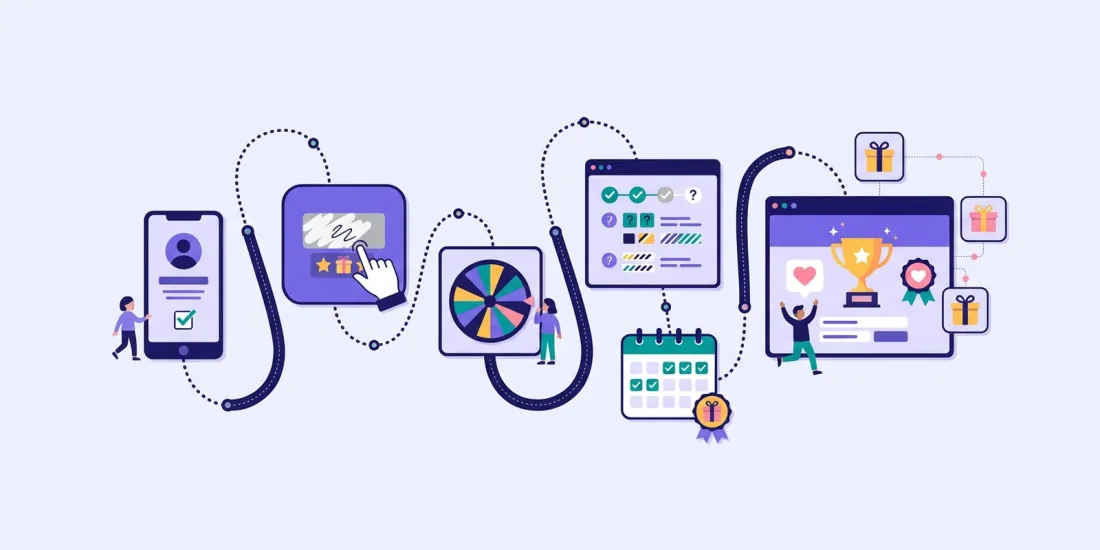
Gamification isn't limited to one touchpoint. It spans the whole customer lifecycle, and when done right it strengthens the journey instead of being bolted on.
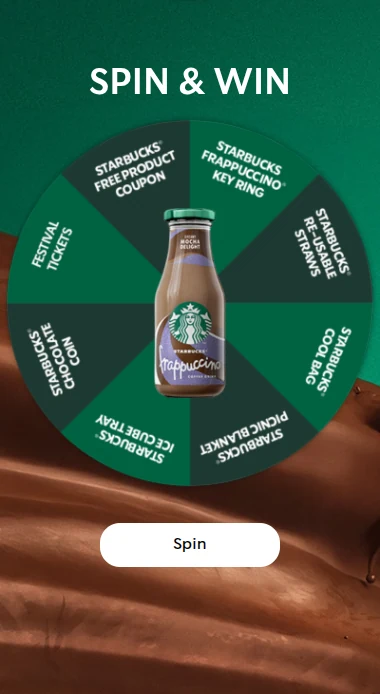
- Lead generation: Forget tired form-fills and static CTAs. An interactive quiz, a digital scratch card or a prize wheel can deliver richer leads and more meaningful data. See how gamified lead generation works.
- Customer activation: You can't force engagement, but you can invite it. A challenge, a countdown or a reward-based mission turns curiosity into action and builds momentum from the first click. Read more about activating interactive campaigns.
- Sales growth with purpose: Gamification isn't just about playing; it's about nudging. Well-designed experiences frame value in a more engaging way and help trigger conversions. Explore how to increase sales with gamification.
- Loyalty that lasts: Traditional loyalty programmes often fall flat because they feel like a chore. A gamified approach makes loyalty feel like progress. People come back not just for points but for a sense of achievement. See how to build reward-based customer loyalty.
Rethinking the Role of Marketing
Here's the uncomfortable truth: your audience doesn't owe you their attention. It has to be earned and kept. A gamification strategy challenges the old idea that marketing is a one-way message. It's a two-way exchange: data for delight, attention for interaction.
This isn't just more content. It's a different kind of conversation.
Getting Strategic with Gamification
If gamification is the how, strategy is the why. Without a clear goal, even the most interactive experience becomes noise.
Here's what smart brands focus on:
- Start with behavioural insight, not just business goals. What will make your audience want to take part?
- Design for simplicity. Complexity kills engagement, so keep games and forms short.
- Reward meaningfully. Every action should have a purpose and a payoff.
- Iterate fast. Test, measure and adjust. Games that don't evolve get abandoned.
Incentivise the Customer Journey
Collectible points, prizes and other rewards encourage people to engage. We all like being rewarded. When customers choose to keep playing and interacting with your brand, that's what sets gamification apart from traditional marketing, and it leaves a lasting impression on new and returning customers alike.
Final Thought: Don't Gamify for the Sake of It
Not every brand needs a leaderboard or a spin-the-wheel. But every brand should question how it engages. The future of marketing isn't louder; it's smarter, and a gamification strategy is one of the smartest moves you can make.
Want to see what it could look like for you? Start a free 14-day trial.