


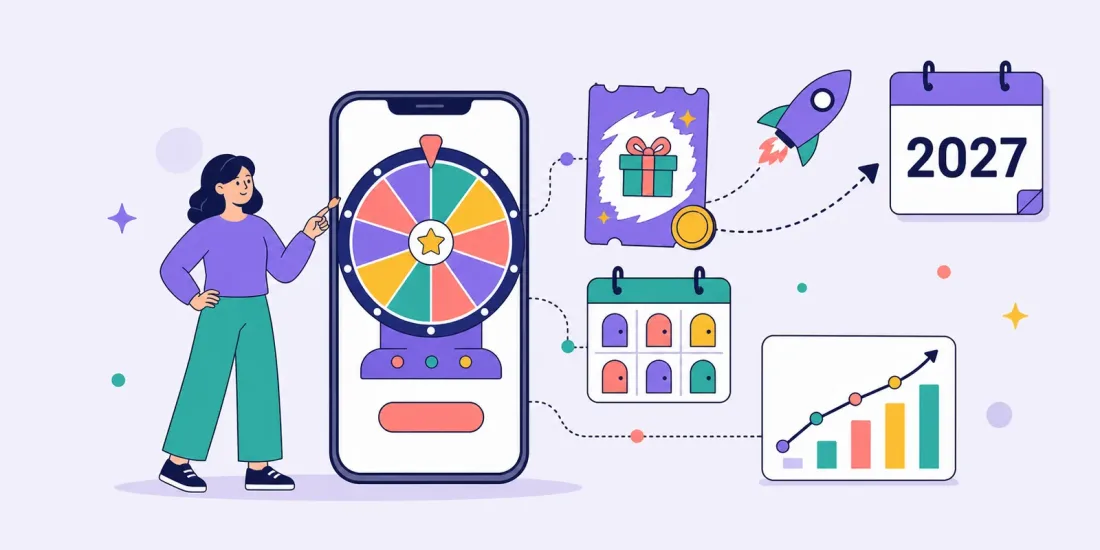
In 2027, gamification in marketing will be less about novelty and more about getting permission: short games on the phone that trade a fair chance to win for an email, a consent and a few honest answers. The trends to plan for are always-on game calendars instead of one-off contests, AI that builds a campaign in minutes, stricter EU rules on manipulative design, loyalty programmes that use games to stay relevant, and measurement that counts declared data and sales rather than plays.
This is our take on where gamified marketing is heading, based on the research we trust and on what we see in the campaigns our customers build. Every number links to its source. Where we make a prediction, we say why.
Why 2027 is a turning point for gamified marketing
Three things are changing at the same time, and they all push in the same direction.
People already play. Newzoo estimates that about 3.57 billion people played games in 2025, roughly 61.5% of the world's online population. A scratch card or a spin the wheel does not need an explanation. It is a habit your audience brings with them.
Search sends fewer visitors. When Google showed an AI summary, users clicked a traditional result in 8% of visits, against 15% without one, according to Pew Research Center. If fewer people arrive, each visit has to count. A game that turns a visitor into a subscriber is worth more when visits are scarce.
Consent is harder to get by default. In a 2026 survey of 11,000 consumers in seven markets, 48% said they click "accept all" less often than they did three years ago. Tracking quietly in the background works less well every year. Asking openly, and giving something back, works better.
Put together: brands need their own audience, and they need people to say yes on purpose. That is exactly what a well-made game does.
8 gamification marketing trends for 2027
1. Games become the front door for first-party data
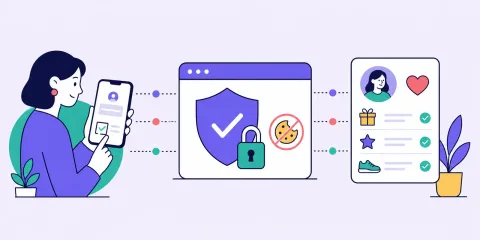
The most important trend is not a new format. It is a new job for old formats. In 2027 more brands will treat a game as the place where a stranger becomes a known contact, with a clear consent and one or two useful answers.
Why we think so: the cookie is no longer the reliable back door it was, and AI assistants answer questions before people reach your site. The data you can count on is the data people give you themselves. Our guide to zero-party data explains the difference, and the lead generation page shows how a game collects it.
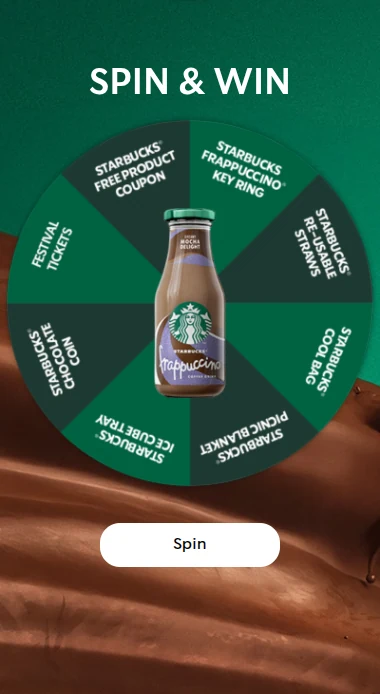
What it means in practice: a spin the wheel pop-up with one question ("What are you shopping for?") will outperform a pop-up that only asks for an email, because every new subscriber arrives with a segment.
2. Shorter, more mobile, more frequent
Attention on a phone is short. The games that work best in 2027 will take less than a minute: a scratch card, a mystery box or a three-question quiz. Long, multi-step experiences will be the exception, kept for audiences who already care.
We also expect more brands to run small games more often rather than one big competition a year. A short game every month keeps a list warm. A big game once a year mostly fills it with people who forget you by spring.
3. Always-on calendars replace one-off contests
Advent and Christmas calendars proved that people come back day after day when there is a new door to open. In 2027 that idea spreads to the rest of the year: a campaign calendar for Black Week, a summer calendar, a calendar for a store opening or a product launch.
The reason is simple maths. One visit gives you one chance to win someone over. Eight daily visits give you eight. We wrote about this in the strategic case for always-on marketing, and the free marketing calendar shows which dates suit your country.
4. AI makes the build fast, so the idea matters more
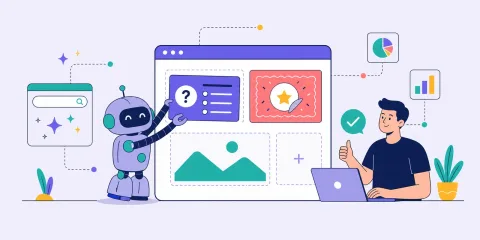
Building a game used to take weeks of design and development. With an AI assistant such as Rex, a campaign can be drafted from your own website in minutes, with texts written and translated. By 2027 this will be normal across the market.
Our prediction: when everyone can build quickly, speed stops being an advantage. The brands that win will be those with a sharper idea, a better prize and a clearer reason to take part. Spend the time you save on the concept, not on more campaigns of the same kind. The campaign ideas page and the competition idea generator are good places to start.
5. Fair play becomes a legal and a brand issue
The European Commission has announced a Digital Fairness Act aimed at dark patterns, addictive design and unfair personalisation, with the proposal expected in the fourth quarter of 2026. The text is not final, and a new law will take time to apply. But the direction is clear, and consumer authorities already look at these practices under existing rules.
For gamified marketing, we expect three things to become standard in 2027, whether a law requires them yet or not:
- Honest odds. Say how many prizes there are and how winners are chosen. The prize odds calculator helps you work it out.
- No fake pressure. Countdown timers that reset, or "only 2 left" when there are 200, will cost you more trust than they win.
- Clear terms and a free choice about marketing. Taking part and saying yes to newsletters should be easy to tell apart. The competition terms generator and our terms checklist help.
Games that feel fair also perform better over time, because people come back to things they trust.
6. Gamification moves deeper into loyalty
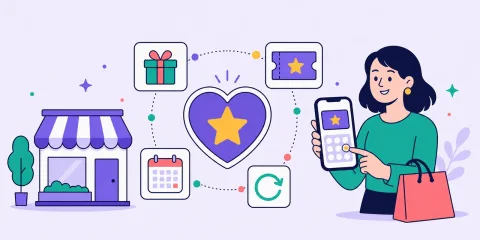
Loyalty programmes are under pressure: members belong to many of them and feel less special in each. We cover this in our separate piece on customer loyalty trends for 2027. Games are one of the cheapest ways to give members a reason to log in, open the app or visit the shop.
Expect more member-only games, birthday campaigns, and calendars where members get better prizes than everyone else. Our guide to a gamified loyalty programme and the customer loyalty page show how this works.
7. Small, instant rewards beat one big prize
In a 2026 study of 12,000 consumers, Capgemini found that 71% treat themselves to small indulgences to cope with financial stress. That fits what instant-win games do well: a small, real reward right now.
We expect more campaigns to combine a few attractive main prizes with a modest prize or code for many players. It feels generous, it gets people to the shop, and nobody leaves empty-handed. Read instant win vs prize draw to choose the right mechanic, and try the discount vs prize calculator to compare costs.
8. Measurement moves from plays to permissions and revenue
"10,000 plays" sounds good in a report. It says little about value. In 2027 more teams will measure what a game actually produced: new consented contacts, answers they can use, redeemed codes and sales from those contacts afterwards.
This is partly forced on us. Open rates and click tracking are getting less reliable, as we explain in our article on email and SMS marketing trends for 2027. The numbers you can trust are the ones in your own systems. Our guides to gamification ROI and gamification marketing KPIs show what to track.
What will not change in 2027
Some things stay the same however much the technology moves:
- The prize has to be relevant. A prize your customers want brings customers. A generic prize brings prize hunters.
- The form has to be short. Ask for what you will use. Our guide to sign-up form fields goes through it field by field.
- The follow-up does the selling. A game starts the relationship. The welcome email flow turns it into revenue.
- Testing beats opinions. Run an A/B test before you roll out a new format to everyone.
How to prepare: a plan for the next 12 months
| When | What to do |
|---|---|
| Now | Pick one always-on format, such as a monthly scratch card or a quiz, and connect it to your email tool. |
| Q1 2027 | Add one preference question to every sign-up form and build a segment from the answers. |
| Q2 2027 | Review odds, timers and terms in your games. Remove anything that could feel misleading. |
| Q3 2027 | Run a member-only game for your loyalty club or best customers. |
| Q4 2027 | Plan a calendar for Black Week and Christmas, and measure sales from new contacts, not just plays. |
If you are new to the topic, start with what gamification marketing is and look at real gamification marketing examples. If you want numbers you can quote, our gamification marketing statistics list only figures with a traceable source.
FAQ
What are the biggest gamification marketing trends for 2027?
Games as the main way to collect consented first-party data, short mobile formats, always-on calendars, AI-built campaigns, fair-play design in response to new EU consumer rules, more games inside loyalty programmes, and measurement based on contacts and sales instead of plays.
Is gamification still effective in 2027?
Yes, when it is done well. Research generally finds positive but context-dependent effects, and the best results come from relevant prizes, short games and a clear value exchange. Your own past campaigns are the best benchmark.
Will the Digital Fairness Act ban gamified marketing?
Nothing published so far suggests a ban on games in marketing. The planned rules target manipulative practices such as dark patterns and addictive design. Fair games with clear odds, honest timers and clear terms are on the right side of that line. Check the final text when it is published, and ask a legal adviser about your own campaigns.
Do I need developers to run gamified campaigns in 2027?
No. No-code platforms let marketers build, publish and connect games to their email tools without code. With an AI assistant, a first draft can be ready in minutes.
Get ready for 2027
The brands that do well with gamification in 2027 will be the ones that ask openly, reward fairly and follow up quickly. You can start a free 14-day trial and build your first game today, read how to make your first campaign in the help center, or book a meeting with our team to plan your year.