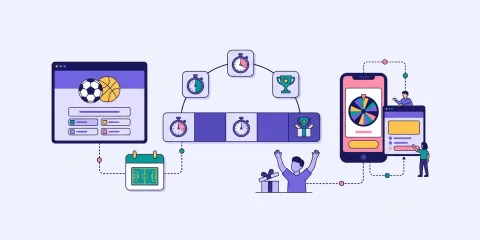



Fans don't just want to watch any more. They want to be part of the action and walk away with something to show for it. At sporting events, interaction isn't a bonus; it's the baseline.
So why do so many events still rely on dated engagement tactics? A clear gamification strategy changes that.
The Strategy Behind the Game
A smart gamification strategy isn't about adding flashy games for novelty's sake. It's about matching game mechanics to what actually motivates people. Done right, it doesn't just entertain; it converts.
Pre-event communication lays the groundwork. Telling attendees about the interactive elements in advance builds early momentum and can even influence attendance. On the day, the games need to speak to what drives the crowd: competition, status, surprise or social recognition.
Leaderboards on the big screen. Winner shout-outs. Special roles for top players. This isn't fluff; it's psychology applied to real-time engagement.
Real-World Execution: Jägermeister's Interactive Win
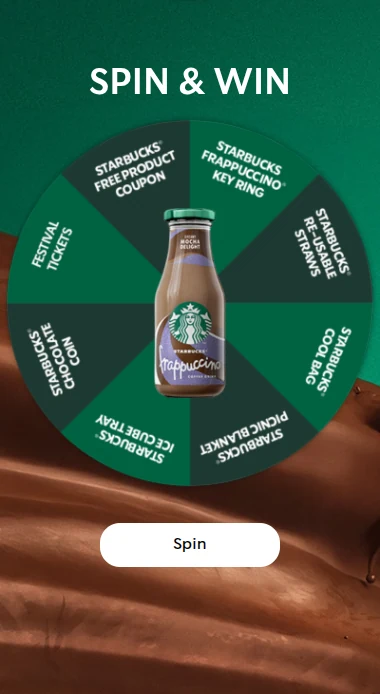
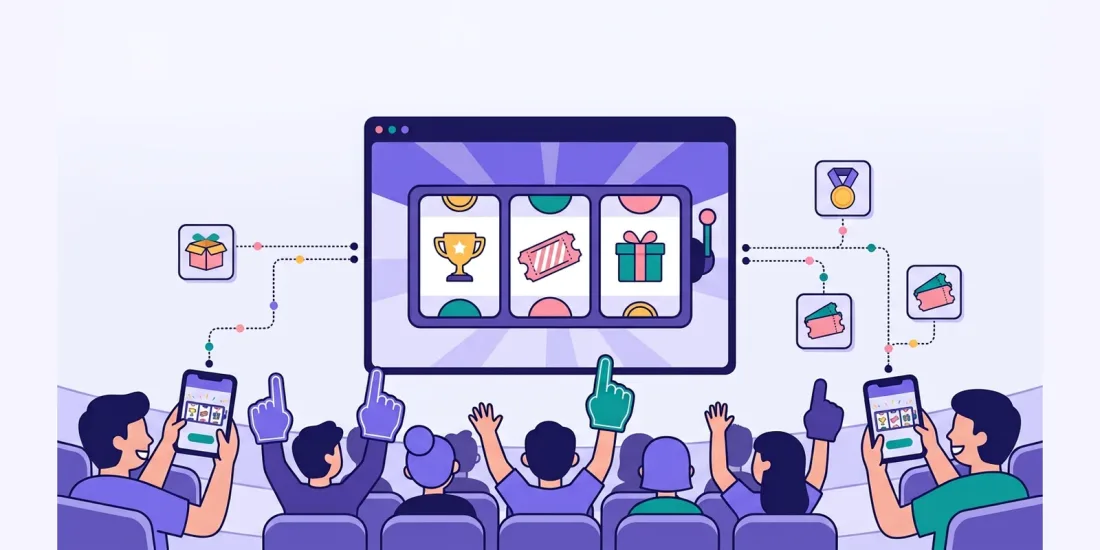
At the "We Love the 90s" festival, Jägermeister didn't just show up; it activated. Using a Slot Machine game to hand out rewards, the brand built gameplay into the event atmosphere.
The results: an 88% conversion rate, more than 200 prizes won and a growing newsletter list full of engaged participants.
- 88% conversion rate: As much as 88% of the audience who saw the campaign signed up for Jägermeister's newsletter.
- 218 wins: Participants won 218 rewards.
- 400+ new members: Interacting with the audience was a priority, and Jägermeister created strong brand awareness as well as high involvement.
It wasn't just play. It was purpose-built marketing dressed up as entertainment.
Why It Works
A well-crafted gamification strategy turns passive spectators into invested participants. Once someone has played, even once, they're more likely to come back, engage and share the experience. It's not about short bursts of attention; it's about long-term impact.
The question is no longer whether gamification belongs at sporting events. It's how long your event can afford to ignore it.
Best Tips to Gamify Your Sporting Event
Announce it early
Tell your audience about the games ahead of time to build buzz and reach more people. Gamification works best when it's part of your event marketing plan and people know about the challenge before it launches. For more on timing, see key moments to launch gamified campaigns in sports.
Make it part of the event
Choose games that match your event goals and, above all, fit naturally into the experience. A QR code on the big screen, on tickets or at the bar lets fans join from their phones in seconds.
Play to different motivations
Some people compete for prizes, some just love competing, and others enjoy the recognition. Cater for all three:
- Show a live leaderboard on the big screen and across social media.
- Give winners a public shout-out at the event and on social media.
- Give top players a special role, such as leading a team in a fan challenge or a breakout session.
Bring sponsors in
Sponsor-branded games give partners measurable exposure and leads, not just a logo on a banner. See how Aalborg Håndbold leveraged sponsorships with gamification.
Get Your Crowd Playing
Whether it's a festival, a match day or a tournament, gamification turns the crowd into participants and participants into contacts you can talk to again. Explore more ideas for sports organisations, or start a free 14-day trial and build your first event game today.