


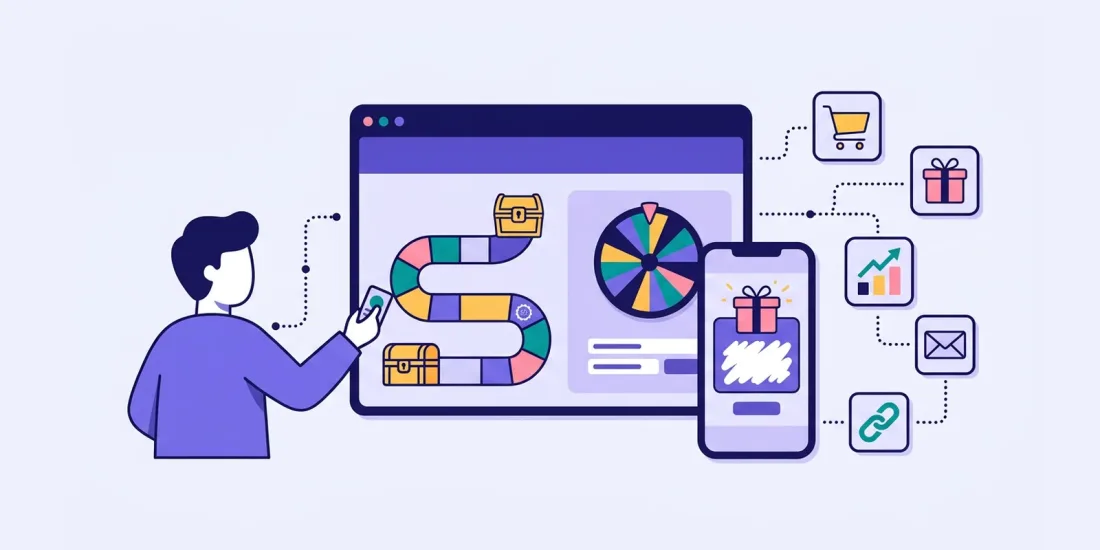
A gamified loyalty program gives your members a reason to show up between purchases. Instead of waiting for the next order to add a few points to an account, you invite members to spin a wheel, open a calendar door or take a quiz, and you reward them for taking part. The good news: you don't need a new loyalty platform to do it. You can add games on top of the club, the app and the email tool you already have.
This guide shows how to do that step by step, with real examples from retailers that have grown their clubs this way.
Why points programs plateau
Most loyalty programs are built around one moment: the purchase. You buy, you earn points, you wait. For your most frequent customers that works fine. For everyone else, the club goes quiet.
A few common signs that your program has hit a ceiling:
- Sign-ups slow down. "Join our club" is easy to skip at the checkout or in a pop-up form.
- Members don't open your emails. Another newsletter with another offer looks like all the others.
- The app gets downloaded, then forgotten. There's nothing new to do in it between purchases.
- You know little about your members. You have an email address and a purchase history, but not what they actually want.
Points and discounts reward buying. They don't give people a reason to engage when they aren't buying. That gap is where loyalty gamification earns its place.
Adding games to an existing club
You don't have to rebuild anything to start. A game is a short campaign that people play in their browser, and it can live wherever your members already are:
- In your newsletter, as a link to a game only members get
- Behind your login or inside your app, so only logged-in customers can play
- On your website, as a pop-up or an embedded game that invites visitors to join the club to play
- In your stores, on a poster or receipt with a QR code
Start with one clear job for the game. For example:
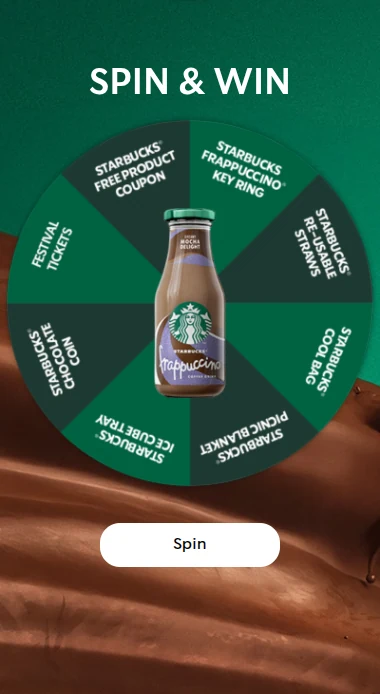
- Grow the club. Make joining the club the way to play. A wheel of fortune or a scratch card with a prize for new members is quick to play and easy to understand.
- Activate existing members. Send a members-only game to people who haven't opened your emails in a while. A chance to win is a friendlier reason to click than one more "we miss you" email.
- Move members to a new channel. Launching an app or a new member area? Use a game to give people a reason to make the switch.
That last one is exactly what Greenland's largest supermarket chain did. Brugseni used a wheel of fortune with discount codes, popular products and a grand prize to launch its new loyalty app, and more than half of its existing members moved to the app.
POWER shows how far the "grow the club" job can go. Its Black Friday wheel of fortune generated 300,000 game plays, 60,000 new email permissions and 45,697 new members of its MyPower loyalty club, even though POWER already had a large list.
Member-only campaigns and calendars
The strongest loyalty campaigns feel like a perk of being a member. Two formats work particularly well for that.
Member-only games
Put the game somewhere only members can reach it. Energy company EWII runs a customer-only game every month inside the login area of its website, often with local partners sponsoring the prizes. Logins went up 60%, including among internet customers who previously had no reason to log in.
The lesson is simple: when something new happens behind the login every month, people start to check in.
Calendars that bring people back
A calendar gives people a new door to open every day or every week. That turns one visit into many, which is exactly what you want from a club.
- A Christmas or advent calendar is the classic version, with a new game or prize every day in December.
- A campaign calendar works the same way but on your own schedule: any number of doors, opening every day, every week or on dates that fit your plan.
Calendars are special formats in Scratcher, included on Professional or as an add-on.
Show up all year
Loyalty isn't built in one campaign. Plan a handful of moments across the year, such as your anniversary, Valentine's Day, summer, Black Friday and Christmas, so members always have something to look forward to. Put them in your marketing calendar before the year starts, so the prizes and texts are ready in time.
Collecting preferences
Every game is also a chance to learn something. Instead of guessing what your members want, ask them in a way that feels like part of the fun:
- A personality test ("What's your interior style?") tells you which product categories a member cares about.
- A product finder helps people choose and tells you what they're looking for.
- A quiz or poll about your products shows what people already know and like.
- A few extra form fields, such as birthday or nearest store, make your later emails more relevant.
Keep it short. Only ask for what you'll actually use, and tell people why you're asking. The answers are zero-party data: information members give you on purpose, with their consent. Collected this way, it's both more accurate and more welcome than data you infer from clicks.
Connecting to your CRM
A game only adds value to your loyalty program if the data reaches the systems you use to talk to members. That's where "without rebuilding your tech stack" really matters.
In Scratcher, you can send sign-ups, consents and answers on in several ways (see integrations):
- Native integrations with tools such as HubSpot, Klaviyo, Mailchimp, Salesforce and ActiveCampaign. Choose the tool, log in and pick which fields to send.
- Zapier, which connects you to 8,000+ other apps.
- Webhooks and the API, to send new sign-ups and winners to your own systems the moment they happen.
- CSV export, if you just want the file.
On Enterprise plans, the Scratcher team can also build a connection to your own systems. DCC Energi, for example, sends the data from its Christmas calendar straight to Salesforce.
Once the data is in your CRM, use it. Tag members by the answers they gave, send a follow-up that matches their personality test result and invite the most active players to the next members-only game.
Case example: Jacobsen Møbler
Danish furniture retailer Jacobsen Møbler is a good example of what a year-round approach can do. Over about two years, its interactive campaigns played a big part in growing the loyalty club from 25,000 to around 120,000 members, a 380% increase.
What they did:
- Many formats, one goal. Wheel of fortune, personality tests, mystery box, scratch cards, quizzes and an advent calendar, each tied to the club.
- Seasonal timing. Campaigns around Christmas, Valentine's Day and Black Friday kept the club busy all year.
- A prize people recognise. The anniversary campaign offered a well-known furniture piece as the prize. It had 32,893 unique visitors and 14,702 unique participants, a 45% conversion rate, and brought in 4,000 new club members.
- Every channel. Organic social posts, ads, newsletters, the member magazine and website pop-ups all drove people to the game.
According to the team, most participants stayed in the club after the campaigns ended. And a simple campaign could be ready in a day, with more complex ones like an advent calendar taking up to a week.
KPIs for a gamified loyalty program
Decide what success looks like before you launch. For loyalty, these are the numbers worth tracking:
- New members: how many people joined the club through the game
- Participation rate: players compared with visitors, which shows how appealing the game is
- Repeat participation: how many people come back, especially in calendars
- Reactivation: how many previously inactive members played or clicked
- Channel shift: for app or login campaigns, how many members started using the new channel
- Preference data collected: how many members answered the questions you'll use for personalisation
- Revenue from members: purchases by players after the campaign, compared with members who didn't play
In Scratcher you can follow visits, players, sign-ups and winners in near real time on the statistics page, and see which channels bring people in. For a full list of metrics, see our post on gamification marketing KPIs.
Start small, then build a rhythm
You don't need a big project to make your loyalty program more engaging. Pick one goal, such as growing the club or waking up quiet members, choose a simple format and connect it to the CRM you already use. Then repeat it at the moments that matter to your customers.
Want to see how it could work for your club? Read more about customer loyalty with Scratcher, or try Scratcher free for 14 days, no credit card required.