



When a business in Denmark runs a free competition that is open to everyone and where the winner is picked by chance, the business has to pay gevinstafgift, a prize tax of 17.5 per cent. The tax is only charged on the part of a prize's value above DKK 200 for cash prizes and above DKK 750 for other prizes, and it is calculated for each prize separately. In return, the prize is tax-free for the winner.
Many businesses run competitions on Instagram, on their website or in their newsletter without thinking about the tax. If the prizes are small, nothing happens. But if you give away a trip, a bike or a gift card worth several thousand kroner, it is the business that has to register, report and pay. This guide covers the Danish rules, works through an example and shows what they mean for planning your next campaign.
General information, not legal or tax advice. This article is about Danish rules only, so talk to your accountant. We checked the rules in October 2026 in Den juridiske vejledning 2026-2 (the Danish Tax Agency's legal guide) and in the Danish Gaming Duties Act (lov om afgifter af spil).
What Is Gevinstafgift?
Gevinstafgift is a tax on prizes in games that may be run without a licence from the Danish Gambling Authority (Spillemyndigheden) and that are open to the public. The rule is in section 15 of the Danish Gaming Duties Act (spilleafgiftsloven):
- The rate is 17.5 per cent.
- For cash prizes, the tax is charged on the part of the amount above DKK 200.
- For other prizes, such as goods and experiences, the tax is charged on the part of the market value above DKK 750.
Under section 16 of the Act, the person or business running the game pays the tax. So it is not the winner.
Which Competitions Are Covered?
The Danish Tax Agency (Skattestyrelsen) describes on skat.dk competitions and giveaways without a stake, such as guessing competitions and competitions in magazines and on social media. According to Den juridiske vejledning, section E.A.9.12, three conditions must all be met:
- No stake. Participants must not pay to take part. The guide says a fee of more than about DKK 1–2 for postage or phone, for example, can count as a stake, and that a purchase required to take part can be a stake.
- Chance. The winner is found by chance, for example in a draw.
- Open to the public. The competition must be open to everyone.
According to the guide, pure skill and performance competitions are not covered, such as literary, artistic, technical or sporting competitions. The same goes for competitions with casting and competitions that are not open to the public.
If your competition requires a purchase, or is only for customers, employees or members, talk to your accountant. Other rules may then apply, both to the tax and to whether the competition can be run without a licence at all.
How Is the Value Calculated?
Den juridiske vejledning says it is the market value when sold to a consumer that counts, not what the business paid for the prize. You must be able to document or substantiate the market value, for example with your own retail price or the price of a similar product.
The tax is calculated for each prize separately. The guide gives two examples itself:
- A cash prize of DKK 500 gives (500 − 200) × 17.5% = DKK 52.50 in tax.
- A DAB radio worth DKK 1,000 gives (1,000 − 750) × 17.5% = DKK 43.75 in tax.
Tax is due on all prizes above the threshold, even if the winner doesn't collect the prize.
Gift cards count as cash prizes at their face value, so the threshold for a gift card is DKK 200, not DKK 750 (Den juridiske vejledning, E.A.9.12). Ask your accountant whether the market value of other prizes should be stated with or without VAT. The pages we checked don't say.
The free Danish prize tax calculator does the sum for you, step by step.
Registration, Reporting and Deadlines
According to skat.dk and Den juridiske vejledning:
- Registration: The business must register before the game starts, on form 29.063, "Registreringsanmeldelse - Afgift af spil".
- Settlement per competition: The tax must be reported and paid no later than 15 days after the result is known.
- Monthly settlement: If you choose monthly settlement, the deadline is the 15th of the following month. You must also report when there has been no competition (a nil return).
- Below the thresholds: If all prizes are under DKK 200 in cash and DKK 750 for goods, you don't need to register, report or pay. You must, however, be able to document that the prizes don't exceed the thresholds.
Do Winners Pay Tax on a Competition Prize in Denmark?
Not when the competition is covered by gevinstafgift. Under section 1(3) of the Act, winnings from games covered by the Act are not included in taxable income. On skat.dk it is put like this for the winner: the prize is tax-free when it is free to take part, the outcome depends on chance and the game is open to everyone.
If the competition doesn't meet those three requirements, for example a game only for employees or for the members of an association, the prize is taxable for the winner. The winner then has to enter it on their tax assessment notice in box 20 (other personal income). Den juridiske vejledning, section C.A.6.4, also lists prizes in competitions of a literary, artistic, scientific or technical nature as taxable, and says prizes in kind are normally valued at their market value when sold to a consumer.
Worth knowing before you launch: if you run a pure skill competition, the business doesn't pay gevinstafgift, but the winner may get a tax bill.
Worked Example: One Big Prize or Many Small Ones?
Imagine three ways to spend a prize budget of DKK 15,000 (market value) in a free draw that is open to everyone. The prizes are goods, so the threshold is DKK 750 per prize.
| Prize plan | Tax per prize | Total gevinstafgift |
|---|---|---|
| 1 trip worth DKK 15,000 | (15,000 − 750) × 17.5% = DKK 2,493.75 | DKK 2,493.75 |
| 10 products worth DKK 1,500 | (1,500 − 750) × 17.5% = DKK 131.25 | DKK 1,312.50 |
| 30 products worth DKK 500 | DKK 0 (under DKK 750) | DKK 0 |
The same prize budget, but a tax from zero to almost DKK 2,500, depending on how you split the prizes.
What It Means for Your Campaign
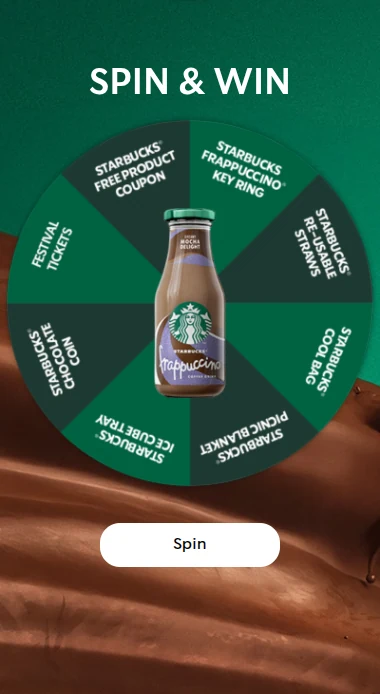
- Many small prizes under the threshold mean no registration and no tax. That suits instant win games such as scratch cards and spin the wheel, where many people win a little. Keep documentation of the prizes' market value.
- One big prize gets more attention, but put the tax in the budget from the start, and register the business before the competition goes live.
- A mix of many small prizes and one main prize is popular. Then only the main prize triggers the tax. Read more about the two mechanics in instant win vs prize draw.
- Put the deadline in your calendar. With settlement per competition, the tax must be paid no later than 15 days after the result is known.
- Think the mechanic through. Free instant wins, prize draws and quizzes with a draw among the correct answers all involve an element of chance. A high-score competition where the best players win may be a skill competition. Ask your accountant how your particular competition should be treated.
For the other rules, such as consent and marketing, read our guide to running online competitions in Denmark and the EU and how to run an online competition.
How Scratcher Helps
In prizes and winners you set the quantity and odds for each prize, and you can export winners and entries. That makes it easier to document how many prizes were given out and when the result was known. Scratcher doesn't calculate or report the tax for you, so you still need to take care of that with your accountant.
FAQ
How much is gevinstafgift?
17.5 per cent of the part of a prize's value above DKK 200 for cash prizes and DKK 750 for other prizes. The rate and thresholds were checked in October 2026.
Who pays gevinstafgift?
The business running the competition. The winner doesn't pay, and the prize is tax-free for the winner when the competition is covered.
Do I pay tax on a prize worth DKK 700?
Not if it is goods or an experience, because then the threshold is DKK 750. If it is DKK 700 in cash, you pay 17.5% of DKK 500, which is DKK 87.50.
When does the tax have to be paid?
No later than 15 days after the result is known, or by the 15th of the following month if you have chosen monthly settlement.
Ready for Your Next Competition?
With Scratcher you can set up an online competition with instant wins, prize draws and prize pools in minutes. Try it free for 14 days or book a meeting and we'll show you how it works.