


Grocery is a weekly habit. Your customers walk through your doors, or open your webshop, more often than they visit almost any other kind of store. That frequency is a huge advantage, but it also makes grocery marketing hard: the weekly leaflet, the price promotions and the loyalty points all start to look the same. If you are looking for supermarket marketing ideas that give shoppers something new every week, gamification is a strong place to start.
This playbook covers the goals that matter most in grocery, weekly and seasonal game mechanics, supplier-funded prizes, in-store screens and QR codes, how to grow your club, and a real example from Greenland's largest supermarket chain.
Grocery-specific goals
Before you choose a game, decide what it is for. In grocery and food retail, most campaigns aim at one of these goals.
Grow the app and the club
Loyalty apps and customer clubs are where grocers personalise offers and learn what people buy. The more shoppers are signed up and active, the more value the club creates.
Increase visit frequency
A shopper who comes twice a week instead of once is worth a lot more over a year. Games that reward coming back, such as daily calendar doors or weekly draws, support this directly.
Lift basket size
Prizes and won discounts can nudge shoppers to add a product, try a new category or spend a little more on the next visit.
Build habits with new customers
Online grocers know that the first few orders matter. nemlig.com, Denmark's largest online supermarket, has found in its own data that new customers who reach around six orders become significantly more likely to remain long-term customers. A game after checkout, for example a reward for the next order, is one idea nemlig is exploring to help customers reach that milestone faster.
Learn more about shoppers
A question or two in a game can tell you about household size, diet, favourite categories or shopping habits, which helps you personalise offers.
Supermarket marketing ideas: weekly and seasonal games
Grocery has a natural rhythm: the weekly shop, the weekend, payday, the holidays. Match your games to that rhythm.
Weekly ideas
- Weekly scratch card. A new scratch card every week in the app or the newsletter, with instant prizes such as discount codes on fresh produce or a free coffee.
- Weekend wheel. A spin the wheel game that opens every Friday, with prizes for the weekend shop.
- Weekly draw. Everyone who plays during the week enters a draw for a bigger prize, for example a free basket of groceries. Scratcher can pick the winners automatically on the days you choose.
- "Guess the price." A quick quiz where shoppers guess the price of a few products from this week's leaflet. It brings attention to your offers in a playful way.
You decide how often each person can play: once, once a day or as often as they like. For weekly games, once per week or once per day keeps it fair and keeps people coming back.
Seasonal ideas
- Christmas calendar. The classic grocery campaign. A Christmas calendar with a new door every day in December brings shoppers back daily.
- Easter egg hunt. Hide eggs in a digital scene, each one unlocking a small game or prize.
- Summer barbecue quiz. "What kind of grill master are you?" with recipe suggestions and products for each result.
- Back to school and packed lunches. A quiz that builds a weekly lunch box plan, linked to products.
- Local and regional celebrations that matter to your shoppers.
Supplier-funded prizes
Grocery has one big advantage over most other retail: hundreds of supplier brands that want to reach your shoppers. That makes supplier-funded prizes and sponsored doors a natural fit.
How it works
Invite suppliers to fund prizes, or to sponsor a day, a week or a door in your campaign. In return, they get attention from engaged shoppers, a chance to get their product tried and, if you agree on it and the shopper consents, insight from the campaign.
nemlig.com's 24-brand Christmas calendar
nemlig.com turned its Christmas calendar into a retail media product. Instead of one headline sponsor, it invited a different FMCG brand behind each of 24 doors. Every day brought new prizes, new products and new brands for shoppers, and every brand got its own day in one of nemlig's biggest seasonal campaigns. The calendar still felt first and foremost like nemlig's own experience.
nemlig also uses interactive campaigns for product sampling. After shoppers received a free sample of a new tomato product with their order, a short interactive survey with a prize draw got a response rate above 35%, against an expected 5–10%. Read how nemlig uses interactive campaigns to build stronger FMCG brands through retail media.
Tips for supplier partnerships
- Keep your own brand at the centre, so the campaign feels like yours.
- Give each supplier a clear slot: a day, a door or a week.
- Agree upfront on what the supplier gets, such as exposure, a sampling slot or aggregated results.
- If shoppers can consent to hear from a supplier directly, make it a separate, clear choice in the form.
In-store screens and QR codes
Your stores are full of screens, shelves, trolleys and checkouts. They are a media channel you already own.
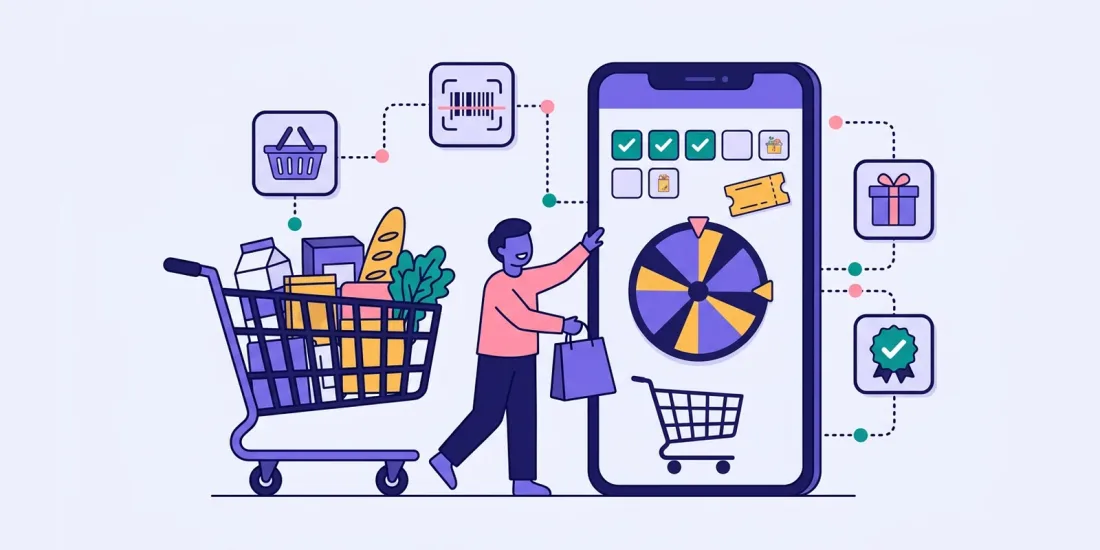
A QR code campaign brings shoppers from the aisle into your game in seconds. They scan with their phone camera and play in the browser. No app is needed, which makes it a good way to reach shoppers who have not downloaded your app yet.
Good places for a QR code in a supermarket:
- Digital screens at the entrance and the checkout
- Shelf signs next to a featured product or a supplier's display
- Trolleys and baskets
- Receipts, inviting shoppers to play for a reward on their next visit
- Bags and leaflets
Give winners a unique discount code or a barcode on their phone that they can show at the till. Use a separate QR code for each store if you want to compare results by location.
Growing club membership
A game is one of the most effective ways to get shoppers to join your club, because joining becomes part of something fun rather than a form to fill in.
Make joining part of the game
Ask people to join the club in the sign-up form, with clear consent. Then reward members: a better prize, an extra chance to win or a member-only game.
Use the club to keep people active
Once shoppers have joined, keep giving them reasons to open the app. A monthly member game, a calendar at Christmas or a weekly draw keeps the club alive between purchases. Our customer loyalty page has more ideas.
Connect it to your systems
Send new members and their answers straight to your CRM or loyalty platform with a native integration, Zapier, webhooks or the API.
Case example: Brugseni's loyalty app launch
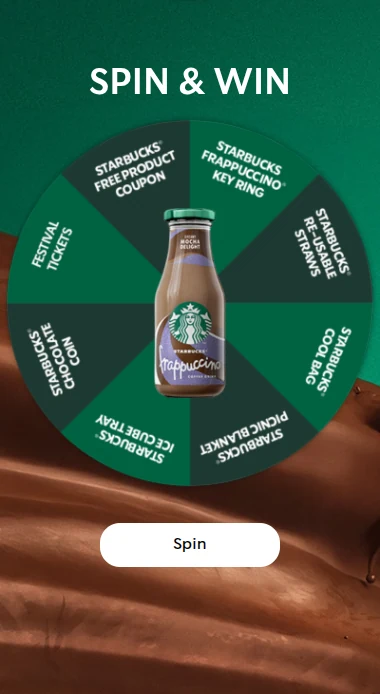
Brugseni is one of Greenland's largest supermarket chains, with 18 stores in 8 cities. When it launched a new app as part of its digital loyalty programme, it used a wheel of fortune game to get members on board.
The wheel offered loyal customers a little extra: discount codes, popular products and a chance to win a grand prize. The mix of grand prizes and consolation prizes was essential to the strategy, and the promotion codes were used diligently in the stores.
The results:
- More than 50% of existing members switched to the new digital loyalty programme
- 57,000 participants played the game, in a country with a population of around 56,000, thanks to both recurring visitors and unique participants
Read the full story: Greenland's largest supermarket chain, Brugseni.
Getting started
You do not need a big programme to begin. A good first campaign for a grocer could be:
- A weekly scratch card in your app or newsletter
- A QR code on screens and shelf signs that leads to the same game
- One supplier-funded prize for the grand draw
- A clear "join the club" choice in the sign-up form
Run it for four to six weeks, measure participation, new members and code use per store, and build from there. See how other retailers use games on our retail page.
Ready to give your shoppers something new every week? Start a free 14-day trial, or book a meeting and we will help you plan your first grocery campaign.