


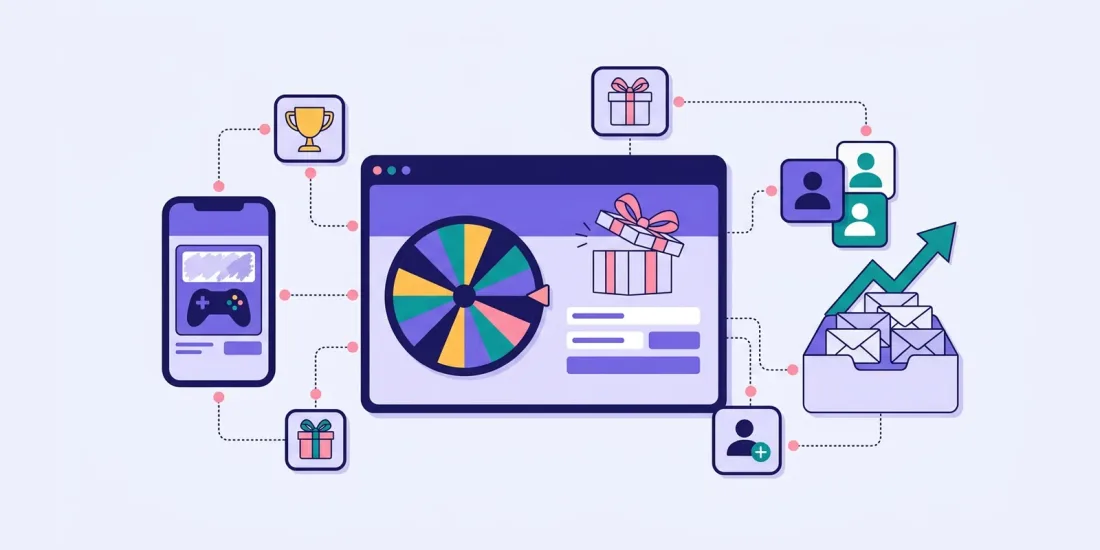
You grow your email list with gamification by giving people a game and a chance to win in return for their email and consent. Tactics that work include replacing your newsletter pop-up with a game pop-up, embedding games on your busiest pages, sharing them on social media and QR codes and running seasonal calendars, then sending new subscribers straight to your email tool.
If your newsletter sign-up box has been sitting in your footer for years and only collects a trickle of addresses, you're not alone. The good news: you can grow your email list much faster by giving people a reason to sign up. In this guide we share 12 email list building tactics that use gamification, with real results from brands that tried them, plus how to handle consent and what to do once the new subscribers arrive.
Why It's Hard to Grow Your Email List with Static Forms
A classic newsletter signup form asks for something and gives nothing back. "Sign up for our newsletter" is not a reason. Most visitors scroll past, close the pop-up or leave.
Gamification changes the exchange. People get a fun minute and a chance to win, and in return they leave their email and say yes to hearing from you. Because they choose to take part, you get subscribers who actually care about your brand.
Here is how to build an email list with that idea, channel by channel.
Tactics 1–4: On-Site Pop-ups and Embedded Games
1. Replace Your Newsletter Pop-up with a Game Pop-up
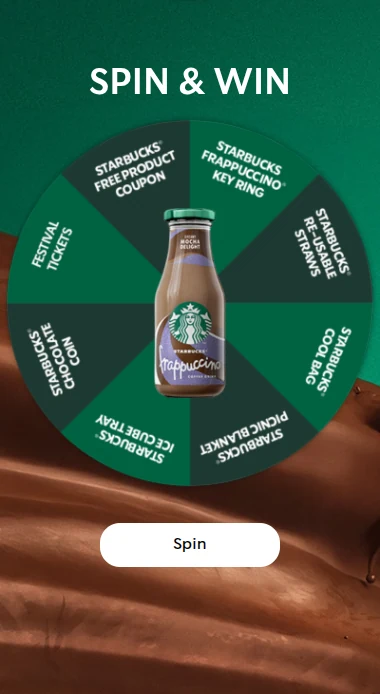
A normal pop-up asks for an email. A game pop-up asks people to spin a wheel, scratch a card or open a mystery box first. It feels like a small gift, not a form.
POWER promoted its Black Friday wheel of fortune with website pop-ups that reached 1.4 million viewers, alongside newsletters, SMS, social media and TV. The campaign brought in 60,000 new email permissions. Learn more about game pop-ups.
2. Show It at the Right Moment
Timing matters as much as the game. Scratcher lets you trigger the pop-up:
- After a visitor has been on the page for a while
- When they scroll down part of the page
- Before they leave (exit intent, on desktop)
- When they click a button, link or small teaser
Target by page, domain and device, and decide how often it shows, so it never gets in the way. Our guide to high-converting pop-ups walks through the setup.
3. Embed a Game on Your Busiest Pages
Not everyone likes pop-ups. Put the game right inside your front page, a category page or a blog post instead. Fleggaard featured its spin the wheel on its front page, backed by a pop-up and banners, and 21,000 of 34,000 participants signed up for the newsletter.
4. Give the Campaign Its Own Landing Page
A landing page gives the game space and a link you can share everywhere. Watery's team found it made more sense to send customers to a campaign page than to only use a pop-up, and got 21% more subscribers over a month. The anniversary campaign reached 7,200 new sign-ups.
Tactics 5–8: Social, QR, In-Store and SMS Entry Points
5. Share the Game on Social Media
Followers aren't subscribers. A game gives them a reason to tap the link and sign up. Dansk Outlet shared its Easter scratch card in one organic Facebook post and a webshop pop-up, with no ad spend, and got 13,000 participants from 16,000 visitors.
Paid works too. EYDA sent Meta ads straight to a brand quiz and collected 12,000 leads at €0.30 each, 35% cheaper than its usual ads.
6. Put a QR Code in Your Shop
Most people in your shop leave without you knowing who they are. A poster that says "Scan and win" changes that. People scan, play on their own phone and leave their email. Deichmann links in-store QR codes to online games and saw a 60% increase in leads from its first campaigns.
7. Use Events, Matches and Trade Shows
Give people something to do while they wait. Aalborg Håndbold ran a quiz on the arena's big screens at an Easter match, and the club got data and newsletter sign-ups from fans who wanted to win a giant Easter egg.
8. Turn SMS Contacts and Quiet Subscribers into Active Ones
If you have SMS contacts but not their email, or subscribers who stopped opening, send them a game. Ask for the details you're missing and let them say yes to email and text messages. Fleggaard's campaign brought in new leads and woke up 6,600 quiet subscribers.
Tactics 9–10: Seasonal Calendars for Daily Return Visits
9. Run a Christmas or Advent Calendar
A calendar gives people a reason to come back every day, and each visit is a chance to remind them to sign up and share. Continental's Christmas calendar quiz for Danish dealers grew its B2B newsletter by 130%. Whiteaway's advent calendar kept 82% of new subscribers on the list six months later.
10. Start Collecting Before Launch with Pre-registration
Don't wait for day one. A pre-registration page with a countdown lets people sign up to hear when your calendar, sale or launch starts, so your campaign begins with a crowd instead of an empty room.
Tactics 11–12: Sharing and Partner Campaigns
11. Make Results Worth Sharing
Personality tests and high scores are things people like to share. WWF Denmark's "What is your spirit animal?" test was mainly driven by Facebook and reached 10,557 participants.
Invite people to share, but think twice before you make tagging friends or sharing a condition of entry. Rules and authority views on this differ between countries and can change, so check the current guidance before you use these mechanics.
12. Team Up with Partners and Sponsors
A partner's prize or audience can bring in people you'd never reach alone. Aalborg Håndbold ran a sponsor campaign with a kitchen company that got around 2,000 participants and helped grow the club's newsletter. If more than one company will use the consent, make sure your consent text is clear about who will contact people, and check the requirements with your adviser. In Denmark, the Consumer Ombudsman publishes guidance on forbrugerombudsmanden.dk (in Danish).
Consent and Double Opt-in
More subscribers only help if they are real and have agreed to hear from you. How consent must be collected differs between countries, so check the current rules and get legal advice. A few practical points:
- Ask clearly. Make it easy for people to see what they are signing up for, who will contact them, about what and through which channel.
- Make withdrawing easy. Give people a simple way to unsubscribe or withdraw consent, and keep a record of how and when people signed up.
- Think about what a "no" means. Decide with your adviser what happens to an entry or prize if someone withdraws consent.
- Consider double opt-in. People confirm their email by clicking a link. It shows the address is real and gives you a clear record of the sign-up. Andel Energi sees 82% of users confirm their contact information after sign-up.
- Stop repeat entries. Decide how often each person can play, so every sign-up counts.
In Scratcher you write your own consent texts, choose which fields are required and can use double opt-in with the Email module (included on Professional, or as an add-on). These are tools that help; you remain responsible for how your campaigns collect consent.
This article is general information, not legal advice. Rules differ between countries and change over time, so check the current rules and get legal advice before you launch a campaign.
Syncing to Your ESP and the Welcome Flow
The moment someone signs up is when they're most interested. Don't let the address sit in a spreadsheet.
Connect your email tool. Send new subscribers straight to Klaviyo, Mailchimp, HubSpot, ActiveCampaign or one of our other native integrations, or connect 8,000+ apps through Zapier. Webhooks, the API and CSV export are there if you need them.
Send a welcome email right away. Thank people, deliver the prize or code, and tell them what to expect from your newsletter.
Use what you learned. If the game asked a question, such as favourite category or what they're shopping for, use the answer to put people in the right segment from day one.
Give the consolation prize a job. A discount code for non-winners turns a new subscriber into a customer. Rascals Brewing reported that 33% of the orders from a recent newsletter came from people who had signed up through its wheel of fortune.
Measure what happens next. Track open rates, clicks and purchases from new subscribers, not just how many signed up.
For more on turning sign-ups into customers, see our lead generation page and our guide to newsletter and SMS campaigns.
Start Growing Your List Today
Pick one tactic, such as a game pop-up or a seasonal calendar, and test it this month. Start your free 14-day trial and build your first list-growing campaign, no credit card required.