


Privacy has become a priority for users, browsers and regulators alike, and marketers are feeling it. Cookie-based tracking is getting less reliable every year, and consent rules are getting stricter. Staying compliant is the minimum. What brands need now is a strategy for earning data directly.
A gamification strategy is one of the most practical ways to do that.
First-Party Data: Earned, Not Bought
First-party data, the information you collect directly from your own audience, is worth more than ever. It's based on consent, it comes with context, and it's usually far more accurate than anything bought or inferred.
The key difference between first- and third-party data is ownership. Third-party cookies once made it easy to follow people around the web. Today, Safari and Firefox block them by default, consent banners cut into what you can track, and many users run ad blockers. Brands that relied on borrowed data are having to rethink how they collect and use customer insights.
That's where gamification comes in.
How a Gamification Strategy Collects Data and Builds Trust
Good gamification isn't about bells and whistles. It's about creating interactions people choose to take part in because they're fun, rewarding and transparent about what happens with their data.
Two simple examples:
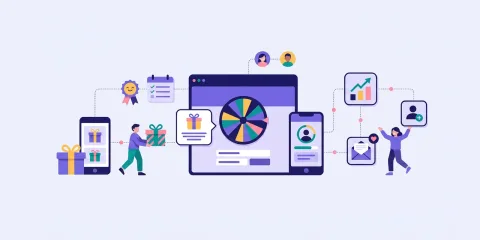
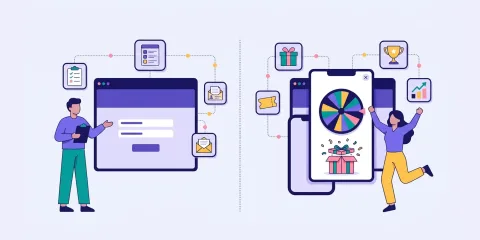
- Scratch card: A quick, playful format that invites people to try their luck in exchange for basic details like an email address or phone number. The instant reward makes the trade feel fair.
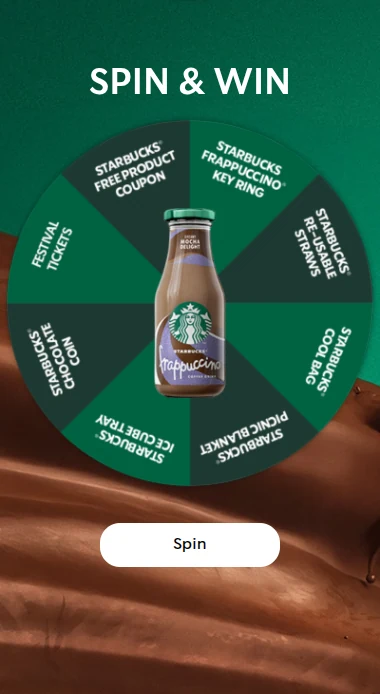
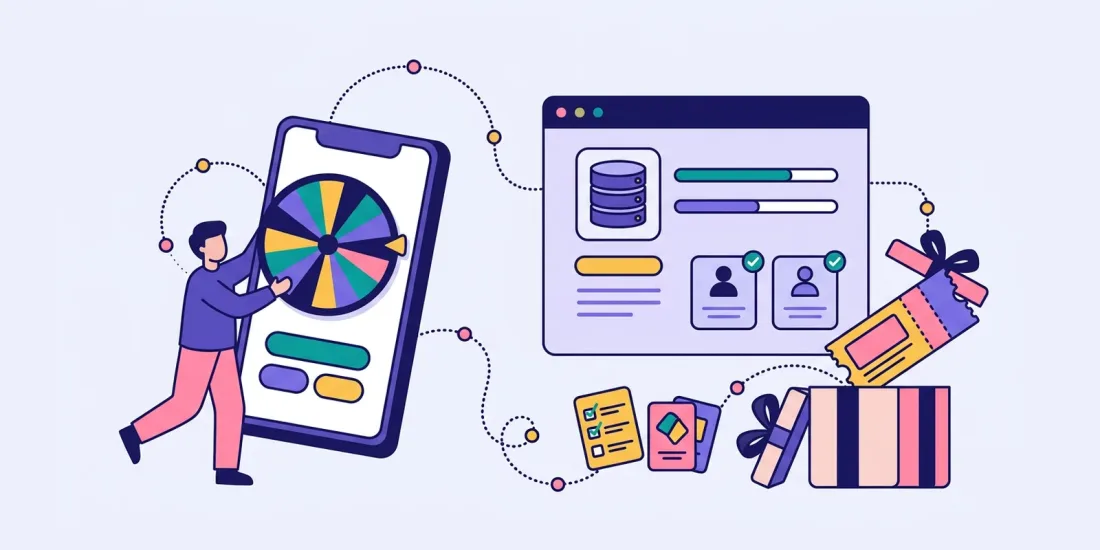
- Spin the wheel: Uses chance and curiosity to drive participation. People are more willing to share their details when there's a real, immediate prize at stake.
Both work as a landing page, a pop-up or an embed on your own site, so you can collect sign-ups wherever your audience already is.
Keep Learning After the First Sign-Up
Data enrichment isn't a one-off task. Consumer habits change, and so do the life situations of the people on your list. A new home, a new baby or a new job changes what someone needs. The more up to date your information is, the better you can tailor offers to each person.
An effective way to keep your data fresh is to add gamified quizzes, personality tests or product finders to your email journeys or website. They help you identify your audience's pains, buying criteria, preferences and needs. With that knowledge you can segment more precisely and communicate more relevantly, which usually improves the return on your marketing.
These aren't gimmicks. They're the building blocks of a first-party data setup that is both ethical and effective.
Why Enrichment Matters More Than Volume
Collecting data is easy. Collecting relevant data is not.
A well-run gamification strategy solves that. Instead of gathering information from questionable sources, you use purpose-built games and questions to learn exactly what you need, directly from the person.
Through enrichment you go beyond email addresses and birthdays. You learn about intent, preferences and motivation. That makes your targeting sharper and your customer experience more personal, without drifting into surveillance.
A few practical tips:
- Ask only what you'll use. Every extra field should have a clear purpose in your segmentation or messaging.
- Spread questions over time. Ask for an email first, then collect preferences in later campaigns.
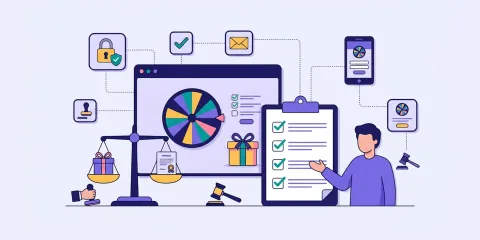
- Be clear about consent. Tell people what they're signing up for and make opt-ins explicit.
- Send data where it's needed. Connect your campaigns to your CRM or email platform through integrations such as HubSpot, Klaviyo or Mailchimp, so new insights are put to work straight away.
Background Tracking Is Fading. Engagement Isn't.
Let's not sugarcoat it: the easy days of background tracking are over. What's replacing them is better: more honest, more user-focused and more strategic.
A gamification strategy is how you engage people, gain insights and build loyalty without sacrificing trust. Stop treating data collection as a transaction and make it an experience instead.
Want to see what that looks like in practice? Browse our templates or start a free 14-day trial and build your first data-collecting campaign today.