


Competition in eCommerce is fierce, and engaging customers and building loyalty is what separates the webshops that grow from the ones that stall. Gamification is one of the most effective tools for both. This guide walks you through how to implement it in your eCommerce marketing, step by step.
Gamification means adding game-like elements to non-game contexts to increase engagement and motivation. For a webshop, that can mean more engaged visitors, stronger loyalty and, ultimately, more sales.
Step 1: Define Your Objectives
Before you start, be clear about what you want to achieve. Ask yourself:
- What is the main goal of the campaign?
- Are you trying to increase engagement?
- Do you want to educate customers about your products?
- Is the aim to drive sales, grow your email list or build brand awareness?
One clear goal per campaign makes everything else easier, from choosing a format to measuring results.
Step 2: Understand Your Target Audience
Gamification isn't just for younger audiences. Older customers respond well to it too. Consider:
- Who is your target audience?
- What kinds of games or interactive elements would appeal to them?
- How can you match the experience to their interests and needs?
Step 3: Choose the Right Format
There are many gamification formats to choose from. For example:
- Quizzes and tests: ideal for education or guided selling, helping customers find the right product.
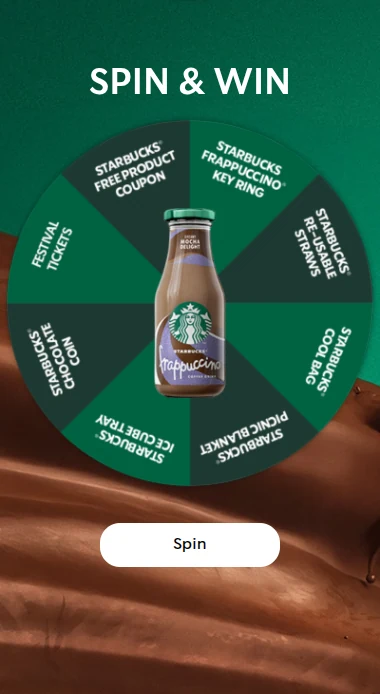
- Mystery box, slot machine and scratch card: ideal for seasonal promotions and activations.
- Points systems: perfect for loyalty and rewards programmes. With Scratcher, you can use the Wallet feature to reward customers in your loyalty programme.
Choose a format that fits your brand and speaks to your audience. You can style every element so it looks as polished as the rest of your webshop.
Step 4: Bring Gamification into Your Marketing Channels
Use your chosen game across several channels:
- Email marketing: add gamified content to your newsletters to boost engagement and clicks.
- Social media: use platforms like Facebook or Instagram to run contests or challenges that drive interaction and visibility.
- Paid advertising: send ad traffic to gamified landing pages for a smooth, engaging journey.
- Pop-ups: used strategically, pop-ups are often one of the best-converting placements. For example, an exit-intent pop-up can catch people who are about to leave a full basket. Use different triggers to activate visitors and reduce abandonment. Learn more about creating pop-ups.
Step 5: Make Sure There's Value for the Customer
Always put the customer's value first. The question to keep asking is simple: what's in it for them?
That might be a discount, a prize, a useful product recommendation or just a few minutes of fun. If the value is clear, participation follows.
Step 6: Test and Learn
Take a "test and learn" approach to refine your strategy:
- Run A/B tests to compare formats, prizes and copy
- Analyse engagement and conversion rates
- Gather customer feedback
- Iterate and improve based on the results
Step 7: Measure and Track Performance
Engagement matters, but also track:
- Conversion rates from your gamified experiences
- Customer lifetime value of participants
- Brand awareness and sentiment
- Revenue generated by your campaigns. With Scratcher, you can monitor coupon redemption rates to see their real impact.
For more on which numbers to watch, see our guide to gamification marketing KPIs.
Step 8: Scale and Evolve Your Strategy
Once you see results, look for ways to expand:
- Run gamified campaigns more often
- Try new formats
- Build gamification more deeply into your overall marketing plan, for example with an always-on game on your site and seasonal campaigns on top
Getting Started
Gamification can lift engagement and drive real business results for your webshop. Follow these steps, keep refining, and you'll create experiences that resonate with your audience and set your brand apart.
See how other online retailers use it on our eCommerce page, or start a free 14-day trial and launch your first campaign, no coding needed.