


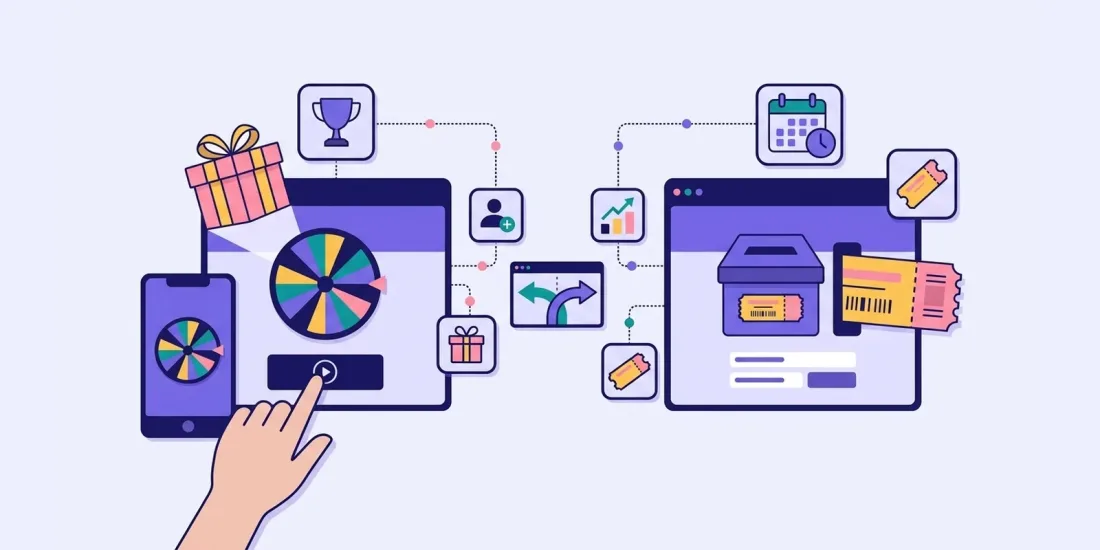
An instant win game shows people straight away whether they have won, while a prize draw gives everyone an entry and picks the winners at random later. Choose instant win for many sign-ups fast and discount codes, a prize draw for one big prize or a fixed budget, and both for longer campaigns, like a calendar, where you want people to come back.
Should people find out right away if they've won, or should everyone get a ticket for a draw later? It is one of the first choices you make when planning a competition, and it shapes everything from participation to lead quality and budget. In this guide we compare the instant win game with the classic prize draw, explain how odds and prize pools work, and show when it makes sense to combine the two.
What Is an Instant Win Game?
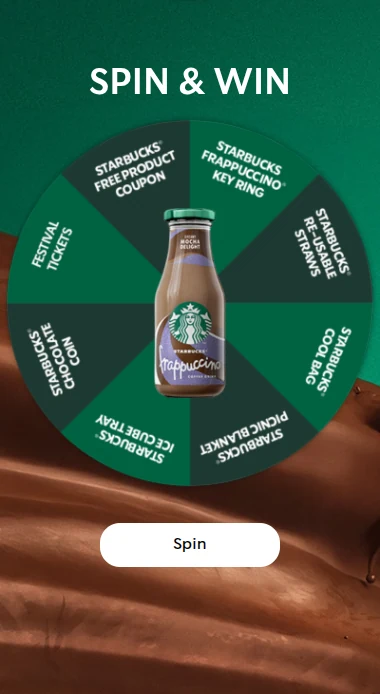
An instant win game shows the result the moment someone plays. They scratch a card, spin a wheel or open a box, and the screen tells them straight away: you won, or better luck next time.
Typical instant win formats:
- Scratch card
- Spin the wheel
- Mystery box, gift surprise and slot machine
- Roll the dice and the reel game
The prizes are usually many and small: discount codes, free shipping, a free product, a gift card. Behind the scenes, you decide what can be won, how many of each prize there are and how likely it is to win each one.
What Is a Prize Draw?
In a prize draw, everyone who takes part gets an entry, and the winners are picked at random later. That can be once at the end of the campaign, or daily or weekly while it runs. People don't know if they've won until the draw happens and the winners are told.
Prize draws are common with:
- Quizzes, polls and surveys, where the activity itself is the main thing
- Calendars, with a grand prize on the last day
- Big, single prizes like a trip, a car or a year's supply of something
In the US, a prize draw is often called a sweepstakes. The idea is the same: free entry, random winner, results later.
Pros and Cons: Instant Win vs Prize Draw
Participation
Instant win: the reward is immediate, which makes the game exciting and quick to play. People get feedback in seconds, and many win something small, which feels good.
Prize draw: the wait takes some of the thrill out, but a big prize can still attract a lot of entries. It suits formats where the experience is the point, like a quiz.
Lead Quality
Instant win: fast and easy, so you can get a lot of sign-ups. If your prizes are generic, like a gift card anyone wants, you may attract some people who only want the prize. A prize linked to your products helps.
Prize draw: people often need to do a bit more, like answer questions, and they have to wait. That can filter for people who care about the topic. The answers are also useful data.
Budget
Instant win: you need enough prizes to go round for the whole campaign. Small prizes and discount codes keep the cost down, and discount codes can pay for themselves when people use them.
Prize draw: you know the cost in advance: one or a few prizes, no matter how many people enter. Easy to budget.
Follow-up
Instant win: winners can get a unique discount code or barcode on the spot. That is great for driving sales right away.
Prize draw: you get a natural reason to email everyone again: "The winner has been found, and here is a little something for everyone else."
How Odds and Prize Pools Work
The prize pool is the full set of prizes in your campaign. For an instant win game, you decide three things for each prize:
- How many there are in total. For example, 1 main prize, 50 gift cards and 1,000 discount codes.
- How likely it is to win. Each prize gets its own winning chance.
- When they can be won. Spread prizes over the campaign period, so there is still something to win on the last day.
A common mistake is putting the main prize in the pool with high odds and seeing it go in the first hour. Another is making winning so rare that people feel the game is rigged. A good balance is a few attractive prizes with low odds, plus many small prizes, or a discount code for everyone who doesn't win.
You also decide how often each person can play: once, once a day, once a week, once a month or without limit. That keeps things fair and stops people from entering again and again.
In Scratcher, you set all of this up once in prizes. The platform gives out instant wins, picks draw winners at the times you choose and, with the Email module, sends the winner emails.
Combining Both: Instant Win Plus a Main Prize Draw
You don't have to choose. Many of the best campaigns use both:
- Instant wins for the fun: every play has a chance of winning a small prize right away.
- A main prize draw for the dream: every participant also goes into a draw for a big prize at the end.
Consolation prizes are a version of the same idea. Lampeguru's Black Friday wheel of fortune offered gift cards as main prizes, and everyone who didn't win one got a discount code. The campaign reached a 56% conversion rate and 4,582 unique leads. Rito.dk's Christmas slot machine had main prizes plus a new consolation prize each day, and players came back 5.6 times on average.
Calendars are made for combining. A Christmas calendar can give out daily instant wins behind each door and collect entries for a grand prize on the 24th.
Rules and T&C Considerations
Competitions can be covered by marketing, data protection, gambling and tax rules, and these differ by country and change over time. Instead of listing rules here, we point you to the topics to check and the authorities where you can read more.
Entry, Payment and Gambling
Whether a competition is treated as gambling can depend on how it is set up, for example whether people have to pay or buy something to take part. In Denmark, the Danish Gambling Authority (Spillemyndigheden) publishes guidance on spillemyndigheden.dk (in Danish). If people have to pay, donate or buy something to enter, get legal advice before you launch.
Consent for Marketing
If you use a competition to collect marketing consent, check how consent should be asked for and documented in each market. In Denmark, the Consumer Ombudsman publishes guidance on using competitions to collect consent on forbrugerombudsmanden.dk (in Danish). Topics to go through with your adviser include how visible the consent request is, how people opt in, how specific the consent text is, how the organiser is identified and what happens if people withdraw consent.
What to Put in Your Terms and Conditions
Clear terms make your competition fair and easy to trust. Topics people usually cover include:
- Who is running the competition and how to contact them
- Start and end dates
- Who can take part, including any age limit
- What the prizes are and how many there are
- How winners are chosen (instantly or by draw) and when draws take place
- How and when winners are contacted, and how long they have to claim the prize
- How often each person can take part
- How personal data is used, with a link to your privacy policy
Have your terms reviewed by a lawyer before you launch.
In Scratcher you add your own terms and consent texts to the sign-up form, so people see them before they play. You write these texts yourself and are responsible for your campaigns.
This article is general information, not legal advice. Rules differ between countries and change over time, so check the current rules and get legal advice before you launch a campaign.
Examples by Format
- Scratch card, instant win: Dansk Outlet's Easter scratch card offered free shipping and gift cards and got 13,000 sign-ups from 16,000 visitors.
- Spin the wheel, instant win with consolation prizes: BOBO gave away a main gift card plus 1,000 smaller gift cards and reached a cost per lead of €0.18.
- Advent calendar, weekly prizes: Whiteaway opened one door each Sunday in December, with one prize a week, and 82% of new subscribers were still on the list six months later.
- Quiz calendar, prize draw: Continental asked a daily quiz question, and correct answers entered a draw for a grand prize. Its B2B newsletter grew by 130%.
For more on the two most popular instant win formats, read our spin the wheel guide and our guide to scratchcard marketing.
So, Which Should You Choose?
- Choose instant win when you want many sign-ups fast, want to hand out discount codes and want the game to feel exciting.
- Choose a prize draw when you have one big prize, a fixed budget or a format like a quiz or survey where the activity matters most.
- Choose both when you run a longer campaign, like a calendar, and want people to come back.
Set Up Your Prizes in Minutes
Instant wins, draws, discount codes and barcodes all work out of the box in Scratcher. Start your free 14-day trial and build your first competition today.