


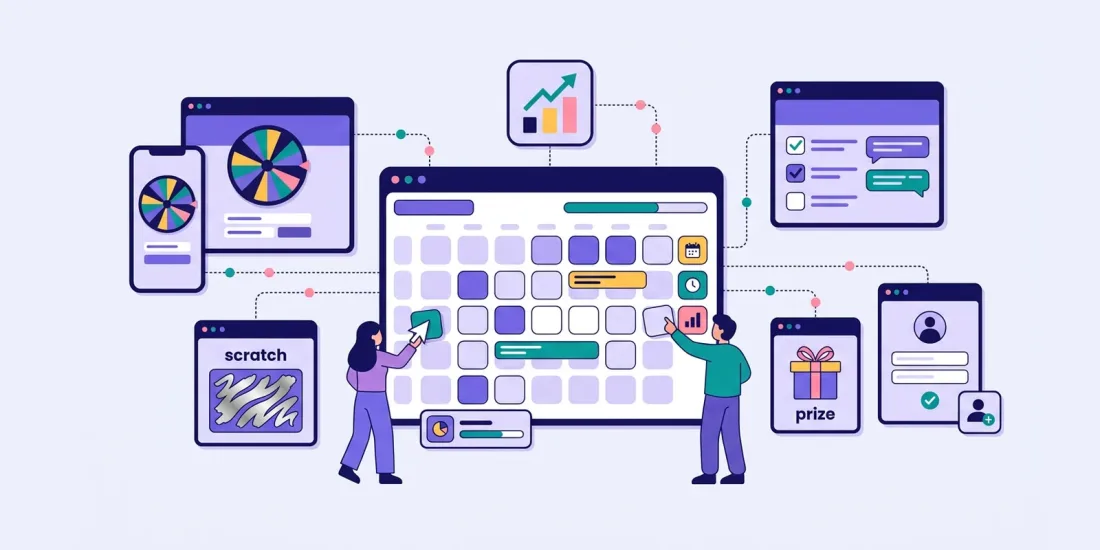
Knowing the key seasonal dates, and making the most of them, is a big part of interactive marketing success. Here's how to shape your interactive campaigns in Europe for 2024, with both your business challenges and the seasonal peaks as your guide.
Two principles are worth keeping in mind before you plan anything. Personalised campaigns tend to engage better than generic ones, and campaigns that run across several channels usually reach further than single-channel efforts. Build both into your seasonal activities.
Seasonal dates like Black Friday give you unique opportunities to connect with key audiences. Consumers are more active and more open to offers in these periods, which makes them ideal for targeted marketing.
Key Seasonal Dates to Keep in Mind
Valentine's Day (14 February), Easter and the summer holidays: These dates see significant consumer spending and offer a range of marketing opportunities.
Video: a Sunweb memory game shown on an iPad.
Video: a JFM mystery box game shown on an iPad.
Halloween (31 October): Halloween is traditionally about costumes and sweets, but it's also a chance for brands to engage their audience in a playful, themed way. Themed games create a distinct brand experience, and Halloween is a good moment for special promotions with a twist. Get inspired by our Halloween marketing ideas.
Black Friday (the last Friday of November): One of the biggest online shopping days of the year, and one of the most competitive. A game helps your offer stand out in a crowded inbox. Read more in our guide to Black Friday marketing.
Video: a Sephora personality test shown on an iPad.
Video: an interactive campaign for the fashion brand Fransa shown on an iPad.
Christmas season: December remains a critical month for retailers, and an advent calendar is one of the best ways to keep people coming back every day.
Video: an interactive campaign for Frie shown on an iPad.
Video: a Telmore Advent calendar campaign shown on an iPad.
Planning Your Interactive Campaigns: Challenges and Opportunities
Seasonal events are great for a sales boost, but your strategy will also face specific challenges. Each challenge can be tackled with its own interactive approach.
Addressing Current Challenges
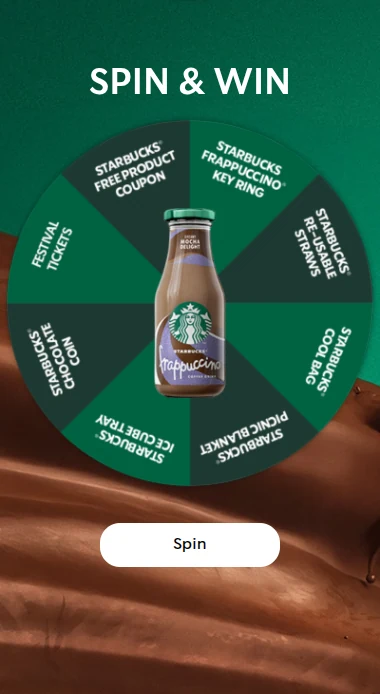
- Lead generation: Build campaigns focused on capturing new leads. For example, use a spin the wheel, scratch card or slot machine with a seasonal theme to attract potential customers and collect first-party data such as names and emails.
- Customer loyalty: Use key dates to reward loyal customers with exclusive offers or early access to sales, which improves retention. You can also launch a loyalty programme. And don't underestimate the value of recapturing consent. Even if your consent rates are already high, there's always room to grow.
- Data enrichment: Zero- and first-party data help you personalise. By enriching your database with more customer data, you can create personalised experiences that resonate more deeply and lead to more engagement and conversions. Enriched data also improves segmentation, so you can tailor campaigns to specific groups, and lead scoring, so you can focus your efforts where they're most likely to pay off.
Examples:
- Challenge: low engagement. Solution: use enriched data to create more relevant content that speaks directly to your audience's interests and needs.
- Challenge: ineffective targeting. Solution: use enriched demographic and psychographic data for more accurate targeting.
- Challenge: slow lead conversion. Solution: use behaviour-based data to tailor interactive elements that nudge leads further down the funnel.
Activating Throughout the Year
- Diverse formats: Use a mix of interactive formats, including spin the wheel, quizzes, mystery boxes and more, to keep engagement up across platforms.
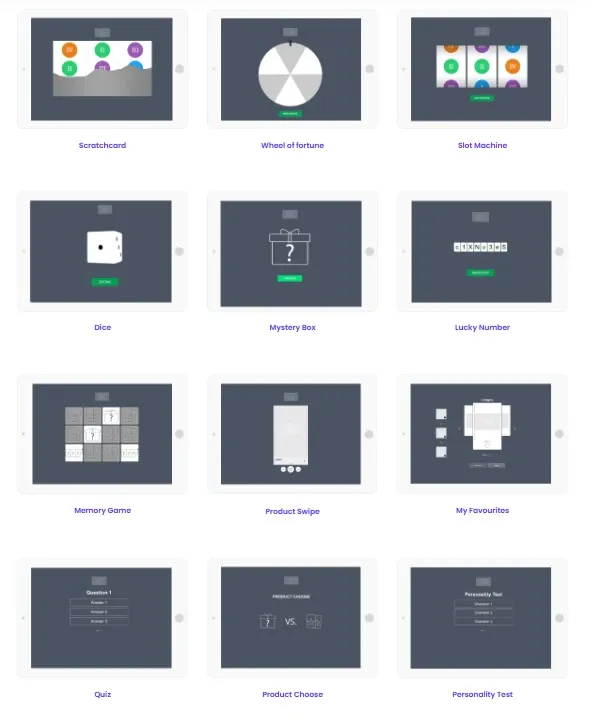
- Seasonal peaks: Plan campaigns around the dates above and use them as a springboard for new products or special promotions.
Tips for Successful Seasonal Marketing
- Start early: Begin planning well ahead of key dates. Our clients typically plan the activation of a single campaign two months in advance. Building it on the platform isn't the hard part, but starting early gives you better promotion and better results.
- Understand your audience: Dig into your target groups to create relevant, engaging content.
- Measure and adapt: Track your campaigns continuously and be ready to adjust based on real-time results.
Make 2024 Count
By building these seasonal dates into your marketing plan and tackling your current challenges, you can create a solid, year-round interactive marketing strategy. For a month-by-month view, see our guide to planning marketing events all year round.
Ready to plan your first campaign? Browse our templates or start a free 14-day trial.