


Q5 marketing is the work you do in the quiet stretch between Christmas Day and the end of January. Most brands treat it as a hangover period: budgets are spent, the team is tired and the inbox goes silent. But your customers are still online. Many of them have gift cards to spend, presents to exchange and a fresh set of New Year plans. If you have just won thousands of new customers in Q4, Q5 is where you decide whether they come back or disappear.
This guide explains what Q5 is, why it deserves a plan of its own and which January marketing ideas help you keep the customers you worked so hard to win.
What is Q5 marketing?
"Q5" is not a real quarter. It is a nickname for the period from roughly 25 December to the end of January, when the calendar says Q4 has ended (or the new year has begun) but shopping behaviour has not settled back to normal.
During these weeks, people:
- Return and exchange gifts that did not quite hit the mark
- Spend gift cards and money they received for Christmas
- Hunt for sales and end-of-season bargains
- Make plans and resolutions for the year ahead
- Have more free time at home, often on their phones
For marketers, that makes Q5 a short window with a clear job: turn one-off holiday buyers into repeat customers, and start the new year with a list of people who actually want to hear from you.
Why attention changes after Christmas
In the run-up to Christmas, every brand is shouting. Inboxes are full, social feeds are full of offers and it is hard to stand out. Once the gifts are unwrapped, many advertisers pull back their budgets and their messages. The noise drops.
That shift works in your favour in two ways:
- Less competition for attention. When fewer brands are sending offers, a fun, well-timed campaign has a better chance of being noticed.
- A different mindset. In December, people buy for others. In January, they think about themselves: what they want to learn, change or treat themselves to. That opens the door to more personal campaigns.
The catch is that Q5 rewards preparation. If you only start planning on 2 January, the window is half over. The best Q5 campaigns are built in November, alongside your Christmas campaigns, and simply switched on when the season turns.
Re-engaging your Q4 buyers
Q4 brings in a lot of first-time customers. Black Friday deals, Christmas calendars and gift shopping attract people who may never have bought from you before. The risk is that they remain one-time buyers.
A Q5 campaign is a friendly second touchpoint. Instead of yet another discount email, invite them to play.
Ideas for re-engagement
- "Thank you for this year" scratch card. Send your newest customers a scratch card with a small reward for their next purchase. A won discount often feels more valuable than one that is simply handed out.
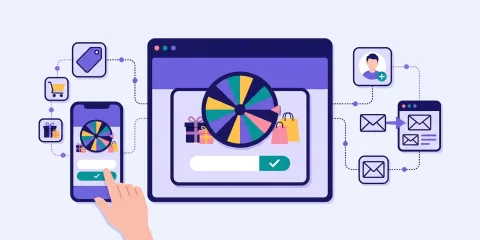
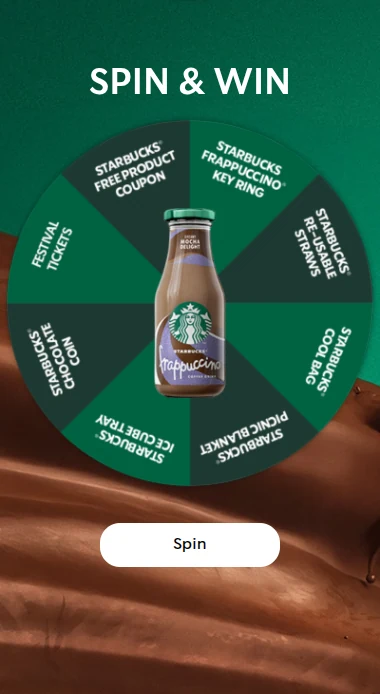
- New year spin. A spin the wheel in your newsletter with prizes for January, such as free shipping or a gift for the next order.
- Member-only game. If you have a customer club, put the game behind your login or send it only to members. Our customer loyalty page shows how brands use member-only games to give people a reason to come back.
Make the follow-up personal
The answers people give in a game are useful data. Ask one simple question in the sign-up form or the game itself, such as "What are you most looking forward to this year?" or "Which category are you shopping for next?" Send the answers to your email tool or CRM with an integration, and use them to segment your next newsletters.
Remember that consent matters. Only send newsletters to people who have said yes to receiving them, and make the newsletter permission a clear, separate choice in your form.
Gift card and return season ideas
The days after Christmas are busy with returns and exchanges. In the EU, consumers usually have a 14-day right to cancel purchases made online, counted from delivery, according to the EU's Your Europe guide on returns. Many shops also offer extended Christmas return periods of their own. Either way, a lot of people visit your website or shop in January with something to swap or a gift card to spend.
That traffic is a chance to collect sign-ups from people you may not have met before: the person who received the gift, not the person who bought it.
Ideas that work in return season
- "Spend your gift card" game pop-up. Show a game pop-up on your gift card and returns pages. Visitors play a quick game and win a small extra on top of their gift card.
- QR code at the returns desk. Put a "Scan and win" sign by the till or the returns counter. Shoppers play on their own phone and can join your newsletter while they wait.
- Exchange bonus. Turn an exchange into a moment of joy: everyone who exchanges a product can open a gift surprise with a small reward.
The goal is not to give away more discounts. It is to turn a practical visit into a positive memory, and to get permission to talk to the gift receiver again.
New Year resolution quizzes
January is when people make plans. They want to get fit, eat better, save money, learn a skill, travel more or spend less time on their phones. A quiz or personality test that matches your products to those plans is a natural fit.
Quiz ideas for January
- "What kind of New Year planner are you?" A personality test with fun results, each linked to products or content that fit.
- "Which goal suits you best this year?" A short quiz by result that leads to a personal recommendation.
- The myth buster. "True or false?" questions about your field, for example health, money, home or travel. People learn something, and you show your expertise.
- The product finder. "Find your perfect start to the year." Ask about needs and taste, and recommend two or three products at the end.
Keep it short. Five to eight questions is plenty, and the result page should make it easy to buy or read more. Add a prize draw for everyone who finishes, so people have a reason to leave their details.
Use the answers all year
A New Year quiz tells you what people want to achieve. That is valuable long after January. If someone says they want to save money, they probably care about value offers. If they want to try something new, they may like product launches. Send the answers to your email tool and use them for personalised follow-up through the year.
A calendar that bridges the gap
If you ran a Christmas calendar in December, you already know how well daily doors keep people coming back. A campaign calendar lets you do the same in January, with your own dates and number of doors.
Some ideas:
- "12 days of January": a new game or offer every day for the first 12 days of the year.
- Weekly doors: one door every Monday in January, each with a new prize.
- Countdown to your spring launch: use the quiet weeks to build a list before a new collection or product arrives.
A calendar turns one visit into many, and every visit is another chance to remind people why they chose you in the first place.
A simple Q5 timeline
Here is a practical plan you can adapt to your own business.
November (while planning Christmas)
- Decide the goal for Q5: repeat purchases, newsletter sign-ups, club members or data.
- Pick one or two formats and prepare the campaigns from a template.
- Plan prizes that fit January, such as vouchers for the next purchase or products related to New Year plans.
Mid-December
- Prepare emails and SMS for your Q4 buyers.
- Set up pop-ups on your returns and gift card pages.
- Print QR code signs for the shop, if you have one.
25–31 December
- Switch on the return-season pop-up and in-store QR codes.
- Send a short "thank you" game to your newest customers.
1–15 January
- Launch the New Year quiz or personality test.
- Run your January calendar or weekly draw.
- Share the campaign on social media and in your newsletter.
16–31 January
- Send a reminder to people who started but did not finish.
- Follow up on the answers with personalised emails.
- Measure the results and note what to repeat next year.
What to measure
Choose a few KPIs before you start, so you know what success looks like. Useful ones for Q5 are:
- Repeat purchase rate among Q4 first-time buyers
- New newsletter permissions from returns and gift card traffic
- Participation rate, the share of visitors who play
- Use of won codes in the shop or webshop
- Answers collected for segmentation
Our guide to gamification marketing KPIs explains what each metric tells you.
Make Q5 part of your Christmas plan
The brands that do well in January are the ones that planned for it in November. Look at your Q4 campaigns, and ask what the next step is for every new customer they bring in. For inspiration, see our top Q4 gamification campaigns.
Ready to plan your Q5 campaign? Start a free 14-day trial and build it from a template, or book a meeting and we will help you plan the season.