


Brand engagement isn't about likes, clicks or empty impressions anymore. Privacy rules are tighter, cookie-based tracking is less reliable, and people are more sceptical of how brands use their data. The old tools have gone blunt. If brands want real connections, they need to rethink how they understand and interact with their audiences.
That's where first-party and zero-party data come in.
Brand Engagement Begins with Trust
Tracking pixels and third-party cookies belong to a marketing era built more on surveillance than on value. Today, consumers expect control, and they reward transparency.
First-party data, the information collected from customer behaviour on your own channels, is now the baseline. Zero-party data, which customers share voluntarily in exchange for a better experience, is where brand engagement starts to evolve.
The catch: zero-party data isn't just about forms and surveys. It's about earning the kind of trust where customers want to tell you what matters to them. It's a more sustainable, honest way to stay relevant.
Personalisation Isn't Just Personal. It's Profitable.
Personalisation isn't a nice-to-have. It drives the bottom line. Deloitte Insights reports that companies embedding personalisation throughout the customer journey see revenue lifts of between 10% and 20%.
But here's what often gets missed: personalisation without meaningful data is just guessing. And guessing doesn't build engagement. It erodes it. That's why zero- and first-party data matter so much. They give brands the depth and clarity to create experiences that actually resonate.
It's not about tweaking a headline or inserting a first name. It's about shaping the journey around the individual, not the segment.
From Passive Collection to Active Participation
Most brands still treat data collection as a back-office activity. In reality, how you collect data is part of the engagement itself.
Want better insights? Make sharing data a fair exchange:
- Use quizzes, preference centres and personalised onboarding to invite customers into the experience.
- Show the benefit of their input straight away, with recommendations, tailored content or exclusive access.
- Make privacy a feature, not a disclaimer.
The goal is to design for participation, not just observation.
What This Looks Like in Practice
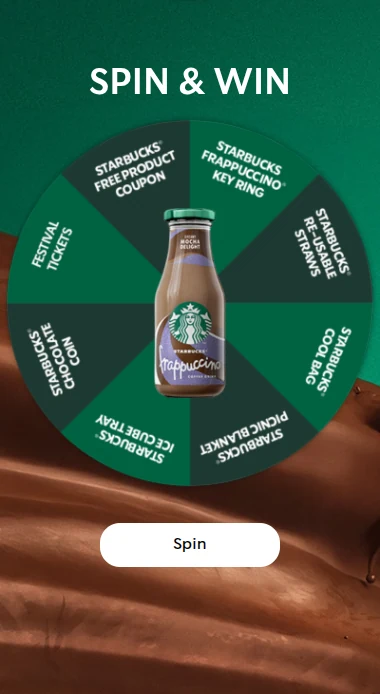
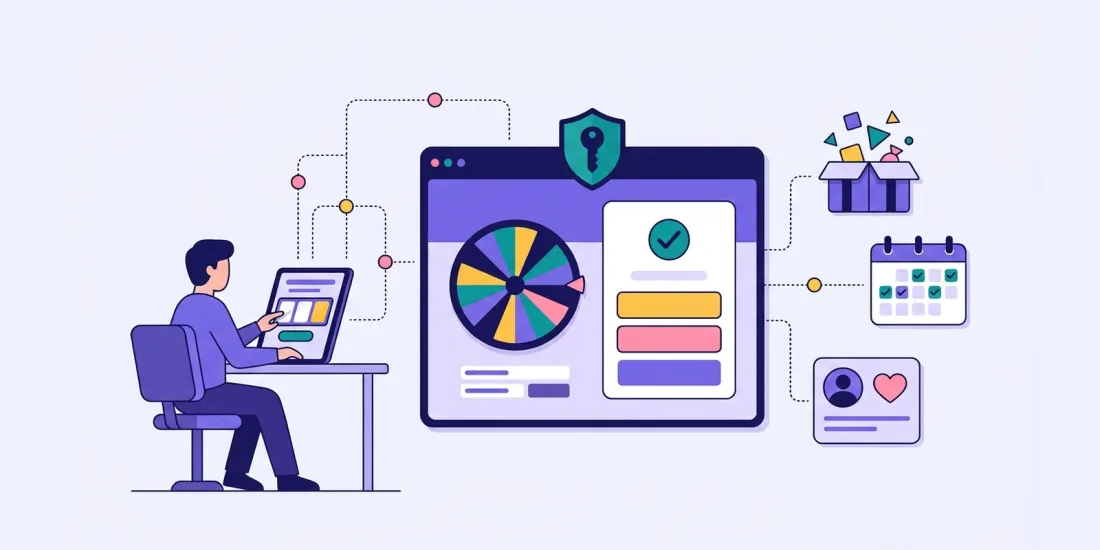
Here are a few ways to turn data collection into an experience with Scratcher:
- Personality test: ask a handful of light-hearted questions and match each person to a style, type or product range. Every answer is a preference you can use later.
- Product finder: guide people to the right product while learning their needs, budget and taste.
- Progressive profiling: collect an email in the first campaign, then ask one or two new questions each time someone plays again.
Connect your campaigns to your CRM or email platform through our integrations, and the answers flow straight into segments you can act on. For more on this, read how gamification turns data collection into a win-win.
Four Non-Negotiables for Modern Brand Engagement
- Redesign your data touchpoints. Every interaction, from a sign-up form to an abandoned basket email, is a chance to collect valuable, volunteered data. Are you asking the right questions?
- Act on what you learn. Data you don't use is just clutter. Segment audiences, personalise communication and iterate based on feedback.
- Stay transparent, always. Consent is currency. Be clear, honest and respectful. Customers know when you're listening and when you're just extracting.
- Keep engagement dynamic. Customer expectations shift constantly, and your engagement strategy should too. Real-time personalisation and adaptive experiences aren't cutting edge any more. They're expected.
Final Thought: Engagement Is Earned, Not Engineered
If you're still chasing clicks or impressions, you're optimising for the wrong outcome. Brand engagement today calls for more intention, more relevance and more humanity.
Brands that earn their audience's data through trust, and use it to deliver smarter, more personal experiences, will be the ones that lead.
Ready to start collecting zero-party data people are happy to share? Browse our templates or start a free 14-day trial.