


It's tempting to write off in-store shopping as outdated, an analogue experience in a digital world. But that view misses the point.
Consumers haven't abandoned physical shops. Their habits have changed, and retailers who want to stay relevant need to change too. That's where gamification marketing comes in: not as a gimmick, but as a serious strategy that challenges how we think about customer engagement.
Benefits: More Than Flashy Distractions
The real value of gamification marketing isn't in spinning wheels or handing out coupons. It's in behavioural psychology.
Done right, gamified experiences tap into core human motivators: autonomy, achievement and curiosity. That means more engagement, better retention and more time spent in store. It's not about forcing a sale. It's about giving people a reason to stay, play and come back.
The bonus? Data. Every interaction tells you something about your customers: what they value, what they ignore and how they move through your space. Most retailers still aren't making use of that insight.
Where to Start: Think Small, Think Smart
You don't need a six-figure installation or a custom app to get started. Gamification marketing isn't defined by its budget. It's defined by its intent.
Start by looking at your current customer flow. Where are the friction points? Where do people drop off? Add a gamified layer there: something that rewards interaction, encourages feedback or invites exploration.
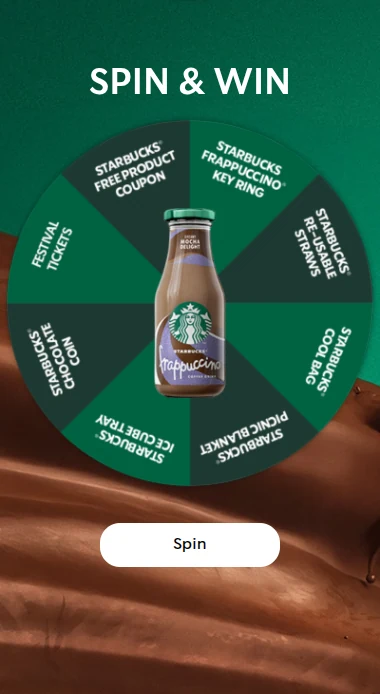
Here's an example worth noting: this LinkedIn post shows a clever, low-barrier use of in-store gamification that blends tech, touch and customer psychology. It's simple but effective, and proves you don't need to reinvent the wheel to make it spin.
In-Store Innovation: Beyond the Buzzword
Innovation doesn't always mean a giant screen or a virtual reality headset. Sometimes it's about rethinking your space, not adding to it.
Gamification pushes retailers to reconsider how they use their floor space: not just to display products, but to invite people in. Interactive kiosks, digital scratch cards, scavenger hunts and tap-to-win games aren't novelties. They're tools for connection.
And connection is what keeps physical retail alive. With people spending so much time on screens, the shops that win are the ones that give people a reason to show up and stay a while.
A Simple In-Store Setup with Scratcher
Here's how a retailer could get a first campaign running without any custom development:
- Pick a format that fits the moment. A scratch card or spin the wheel works well for a quick instant-win at the entrance or the till. A quiz suits product education in a specific department.
- Put a QR code where people pause. Shelf signs, posters by the queue, receipts and carrier bags are natural spots. Shoppers scan the QR code, play on their own phone and sign up, no app needed.
- Choose prizes that bring people back. A discount on the next visit, a free coffee or a gift with purchase turns a single play into a repeat visit.
- Connect online and offline. Collect email consent in the game, then follow up in your newsletter or webshop. A shopper you didn't know becomes a contact you can reach again.
- Measure and adjust. Track plays, sign-ups and redemptions per store or placement, and move your QR codes to where they perform best.
For real-world examples, see how retailers connect online and in-store experiences with gamification.
Final Thought: Don't Chase Gamification. Understand It.
Too many brands adopt gamification because it's trendy. That's the wrong reason. Adopt it because it makes sense and helps you build better experiences, not just louder ones.
Done with purpose, gamification marketing is more than a tactic. It becomes a strategy, and retail could use more of that.
Want to explore what it could look like in your shops? Visit our retail page or start a free 14-day trial.