



We sat down with Anders Spicker from Raptor to talk about customer data platforms (CDPs), with a focus on e-commerce businesses. We covered a lot of ground: what a CDP is, when a company should consider one, which data is most valuable and more.
How CDPs Have Evolved
We started with how much the CDP landscape has changed since our previous conversation with Anders, more than two years earlier. Back then, many expected cookies and third-party data to disappear soon. That hasn’t happened yet, but Anders noted that companies value first-party data more and more, and innovation in this area is moving fast.
Implementing a CDP: When Is the Right Time?
A CDP is a lot of work to implement, so we asked Anders when a company should start considering one. His answer: you need a solid permission base, likely at least 10,000 email addresses.
But it’s not only about numbers. You need a clear digital strategy from day one. It should cover how you get the right consent and which questions you ask, so the data you collect is actually useful. Preparation is key.
You also need buy-in from your board and a dedicated team, even if it’s just a couple of people. They should know how to get tasks prioritised in IT and have the skills to handle your data properly.
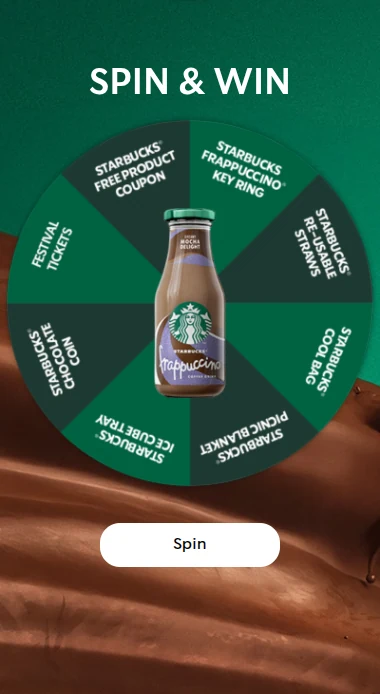
Becoming a data-driven merchant starts with collecting enough data. Gamification marketing and other interactive methods can make a big difference in reaching the volume you need for more advanced data management.
As your data grows, so does complexity. Connecting sources like ERP, CMS and marketing automation can be hard. That’s where a CDP comes in, giving you a unified, accurate 360-degree view of your customers.
The Data That Matters Most
When it comes to collecting and activating customer data, Anders stressed that behavioural data matters most, especially purchase history: what customers buy, when they buy and how much they spend. That’s true in both e-commerce and B2B. Purchase patterns (what, when and where people buy) say a lot about their habits and preferences.
Anders gave an example. Picture two customers. One buys a non-stick pan on impulse after a quick Google search. The other researches carefully to find the best pan available. Both journeys produce different data points you can use in your strategy.
Putting CDP Data to Work
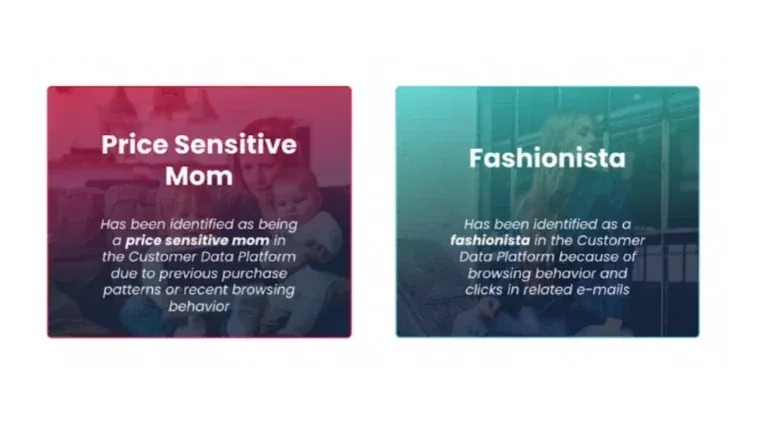
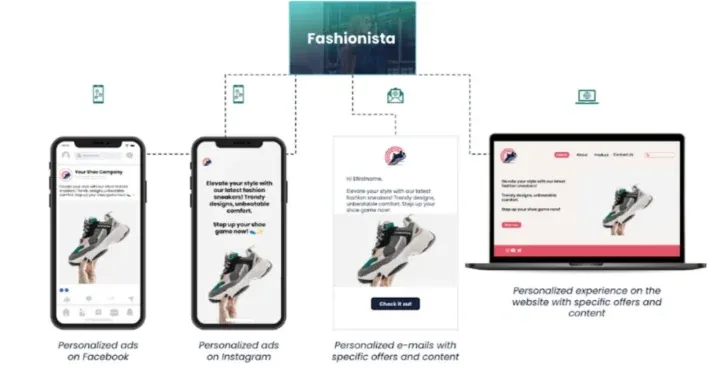
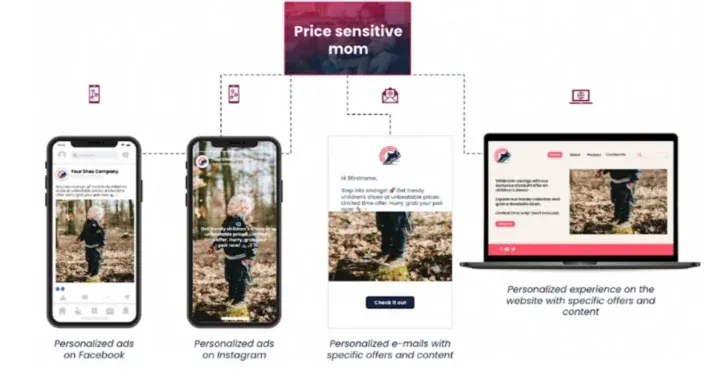
Anders explained that the more insight you have, the more personal and relevant your messages can be. And personal, relevant messages often get higher click rates, conversion rates and average order values.
He pointed out that after analysing hundreds of millions of emails, Raptor found that personalised emails have much lower unsubscribe rates and much higher turnover per email than bulk emails.
He also stressed the value of asking customers what they like and what they might buy next. That helps you get the most out of customer relationships and build loyalty. Anders sees gamification as a strong way to create meaningful interactions and loyalty, and he believes it’s important to give customers something back for their input.
Where Gamification Fits In
If you’re working towards a CDP, or already have one, interactive campaigns are a practical way to feed it with better data:
- Grow your permission base with games that reward people for signing up.
- Ask the right questions. A quiz or product finder collects preferences and intent directly from customers.
- Keep data flowing. Send every answer and opt-in straight to your CRM, email platform or CDP through integrations.
Read more about enriching customer data with gamification and how to do it with consent in mind in rethinking brand engagement in the era of data privacy.
Key Takeaways
The CDP space keeps growing and innovating. These platforms bring scattered data sources together to power personalised experiences and better marketing performance. They take some upfront investment, but the long-term value of customer data makes them well worth considering.
Thanks to Anders for taking the time to share his knowledge. Want to start building your first-party data now? Try Scratcher free for 14 days.