


Brand engagement is the emotional and behavioural connection a customer has with your brand. It’s more than recognising your logo or clicking an ad. It’s about how people interact with your brand, how they feel about it and whether they come back or recommend you to others.
With so many brands competing online, engagement has become a key measure of brand success. Strong engagement leads to higher loyalty, better customer lifetime value and more word-of-mouth growth.
Why Is Attention So Hard to Capture?
Consumers are flooded with ads, notifications and endless content. According to Forbes, attention spans are shrinking, and short-form content fuels a need for constant entertainment. Brands have to earn attention, not demand it, and they have to do it fast.
Static ads and generic emails don’t cut it. People expect immediate value and interaction. They want personalised offers and to be part of an experience, not just the target of a sales message.
Gamification: Turning Interaction Into Excitement
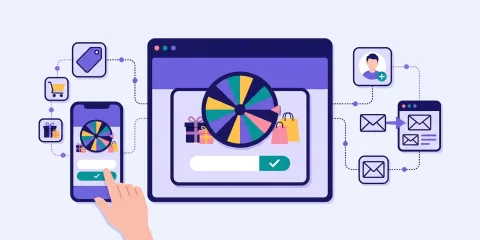
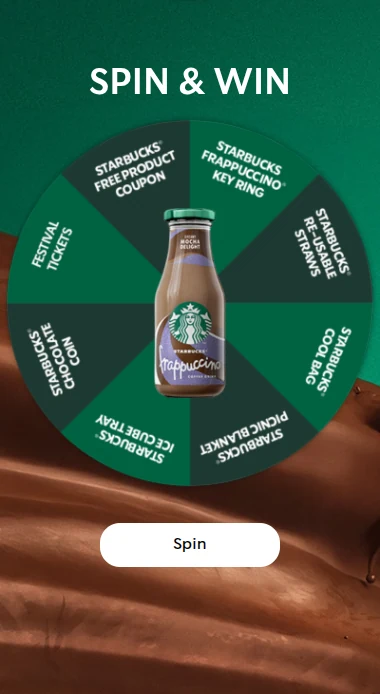
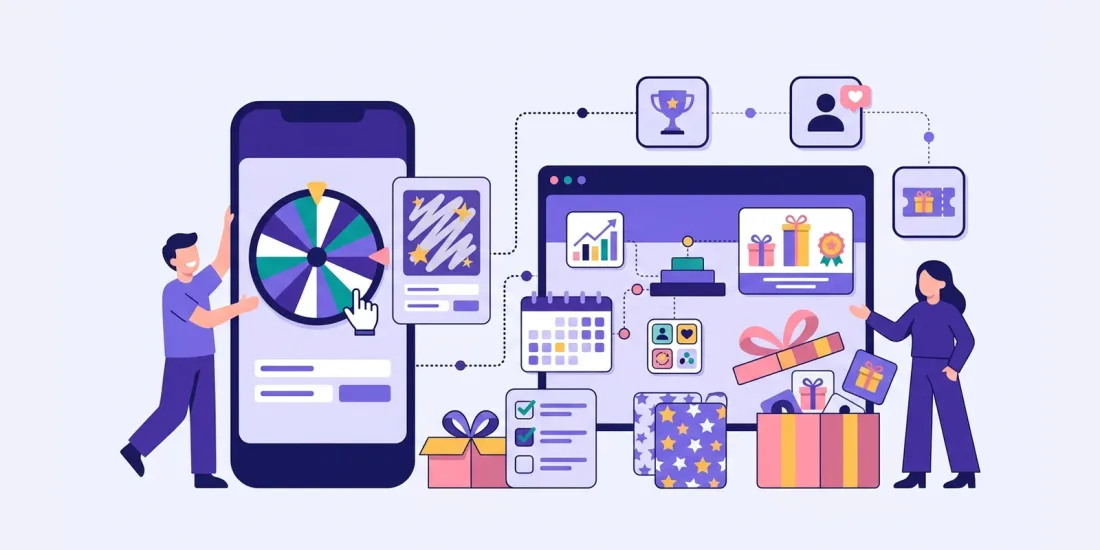
Gamification is one of the most effective ways to build brand engagement. Game elements like challenges, instant rewards and interactive quizzes create memorable experiences and deeper connections.
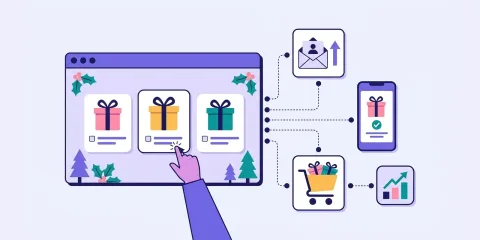
Take Wolt, the food delivery platform. It used a gamified campaign to create excitement among customers. With the Mystery Box format, users chose between a set of boxes hoping to win a prize, turning a simple promotion into a fun, shareable event.
The results? Over 115,000 unique visitors and a 44% conversion rate for new users. In-app orders also rose significantly during the campaign. Over those two months, customers didn’t just engage. They felt rewarded, which strengthened loyalty and encouraged repeat orders.
Personalisation: Make Every Interaction Count
Customers expect experiences tailored to their preferences and behaviour. Personalisation makes people feel recognised and valued, and turns casual interactions into lasting relationships.
With tools like quizzes and custom offers, brands can collect useful data and deliver more relevant content. Sportswear brand EYDA, for example, created a quiz about its new summer collection. With simple true-or-false questions, it achieved an 80% conversion rate. The campaign also gave EYDA first-party data, which is valuable for product development and targeted communication. Read more in the personalisation approach to brand engagement.
Community and Co-Creation
Engagement also grows when customers feel included. User-generated content, reviews and social challenges create a sense of community. When people share their own photos, stories or feedback, they become brand advocates. That builds trust, extends your reach and strengthens emotional ties. For younger audiences in particular, authenticity and involvement are critical.
Measuring the Impact of Engagement
To understand the value of engagement, you need to measure it. Key indicators include participation rate, repeat visits, social shares and conversion rate. Our guide to the top gamification marketing KPIs covers 12 metrics worth tracking.
Wolt and EYDA show what’s possible when you combine gamification with personal, relevant experiences: high conversion, valuable data and more activity from customers. Engagement isn’t a nice-to-have. It’s a measurable driver of growth.
Where to Start
You don’t need a big campaign to build engagement. A few simple ideas:
- Add a short quiz about your products to your website or newsletter.
- Run a seasonal game, like a scratch card or mystery box, with a prize your audience actually wants.
- Ask for opinions. A poll or product battle invites customers to have their say.
- Follow up. Use what people tell you to send more relevant offers.
Final Thoughts
Brand engagement is about building meaningful, two-way relationships. It’s not just exposure. It’s connection, value and emotion. See how Scratcher helps with brand engagement, or start your free 14-day trial and launch your first interactive campaign.