


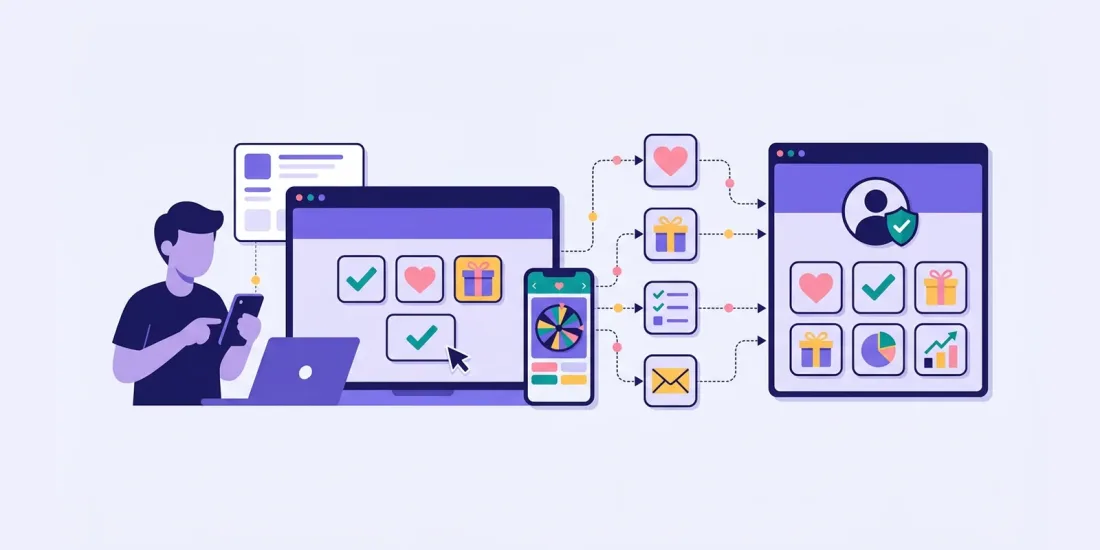
Zero-party data is information your customers choose to give you themselves: what they like, what they need, what they plan to buy and how they want to hear from you. It is the opposite of guessing from clicks. Instead of working out what someone might want, you ask, and they tell you.
In this guide we explain what zero-party data is, how it differs from data you infer, why consented data matters, and seven practical ways to collect zero-party data with interactive campaigns.
What Is Zero-Party Data? A One-Sentence Definition
The term was coined by Forrester Research, which defines it as data that a customer intentionally and proactively shares with a brand. That can include preferences, purchase intentions, personal context and how the person wants the brand to recognise them.
Some examples of zero-party data:
- "I have curly hair and want less frizz."
- "I'm planning to buy an electric car in the next six months."
- "I prefer offers by SMS, not email."
- "My favourite product category is outdoor furniture."
- "I'm a dealer, not a private customer."
The key word is intentionally. The person knows they are sharing it, and they know why.
Zero-Party Data vs Inferred Data
Most marketing data is inferred. You see that someone visited three product pages and opened two emails, and you guess what they want. Inferred data is useful, but it has limits:
- It can be wrong. Someone browsing children's shoes may be buying a gift, not shopping for their own kids.
- It ages quickly. People move, change jobs and finish projects, and their clicks don't tell you.
- It depends on tracking. Cookie restrictions and consent banners make behavioural tracking less complete than it used to be.
Zero-party data is declared, not inferred. If you ask the right question, you get the answer straight from the source. That makes it a great base for segments and personal messages. And how does it relate to first-party data? First-party data is everything you collect directly from your own audience, and zero-party data is the part people actively tell you.
Why Consented, Declared Data Matters for Privacy
In the EU, the GDPR and national marketing rules set out how personal data and marketing consent must be handled. In general, consent is about people making an informed, active choice, and being able to change their mind later. You can read the regulation itself on EUR-Lex, but how it applies to your campaigns is a question for your legal adviser.
Zero-party data fits well with this way of thinking, because the person is actively involved. They answer the question, they see the consent text and they choose to send it. A few practical habits help:
- Tell people what you collect and why. Say it in plain words next to the questions.
- Keep the marketing consent clear. Make it easy to see what people agree to, and check the current rules for collecting consent through competitions in each market. In Denmark, the Consumer Ombudsman publishes guidance on forbrugerombudsmanden.dk (in Danish).
- Only collect what you will use. Every question should have a clear purpose.
- Decide how long you keep it. In Scratcher you can delete participant data at any time or set automatic deletion after a campaign ends.
These settings are tools that help; you remain responsible for how your campaigns collect and use data.
This article is general information, not legal advice. Rules differ between countries and change over time, so check the current rules and get legal advice before you launch a campaign.
Seven Ways to Collect Zero-Party Data
People share more when they get something back: a fun minute, a chance to win or a useful answer. Interactive formats are built for that exchange. Here are seven ways to do it.
1. Quizzes
A quiz teaches people something and tells you what they know. Toyota Denmark used quizzes about electric cars, Toyota's key benefits and real ownership questions across five competition modules. 22,352 participants completed the final survey, and the collected licence plates showed that 50% of participants were not existing Toyota owners.
2. Personality Tests
A personality test has no wrong answers. People answer questions about their habits and tastes and get a personal result. Because they want the result, they answer honestly. Yuaia Haircare asked about hair length, care time and hair goals, gave each person a personal hair routine and used the answers to tailor its emails.
3. Polls
An online poll is the quickest way to hear what your audience thinks. One question, a few answers, results right away. Polls work well for light topics, such as a favourite flavour or the next product colour, and add a sign-up form if you want to stay in touch.
4. Surveys
A survey goes deeper, one question at a time. Keep it short. nemlig.com combined product sampling with a five-question survey and got a response rate above 35%, when the team had expected 5–10%.
5. Product Finders
A product finder asks what people need and shows the products that match. Every answer is a buying signal. Zapp used a charging box quiz to help EV buyers choose the right charger, and 10% of participants went on to buy.
6. Preference Questions on the Sign-Up Form
You don't need a separate format to ask a question. Add one or two preference fields to the sign-up form of any game: favourite category, shoe size, region, B2B or B2C. Ask an email first, then collect more in later campaigns.
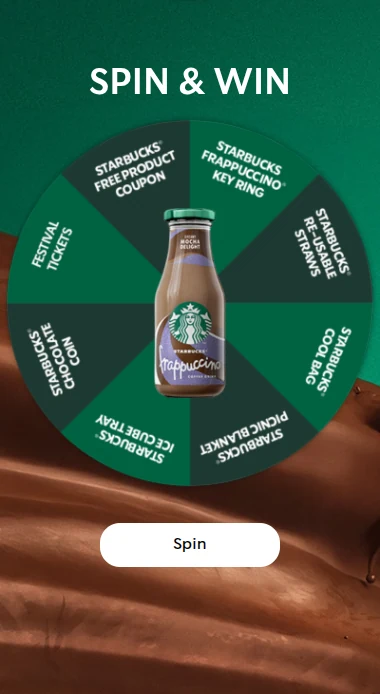
7. Wheel and Scratch Card Pop-ups with One Extra Question
Luck games are quick, so they are great for volume. Add a single question before the spin, like "What are you shopping for today?", and every new subscriber arrives with a segment attached. Read more about pop-ups.
Which Questions to Ask (and Which to Skip)
A good zero-party question is easy to answer, useful for you and fair to the person. Use these guidelines:
Ask:
- Questions you can turn into a segment or a message within weeks
- Questions about intent and timing ("When are you planning to…?")
- Questions about preferences ("Which of these do you like best?")
- Questions about how people want to be contacted
Skip:
- Questions you are only curious about
- Sensitive topics like health, religion or politics, unless you have a very good reason and have taken legal advice
- Open text fields when a multiple-choice answer would do
- Long forms. Five short questions beat twenty
Make the questions part of the game. In a product finder or a personality test, the questions are the fun part.
Getting the Data into Your CRM or ESP
Zero-party data is only valuable if you use it. In Scratcher, every sign-up and every answer can go straight to the tools you already use:
- Native integrations with tools like HubSpot, Klaviyo, Mailchimp, Salesforce and ActiveCampaign. See all integrations.
- Zapier for 8,000+ other apps.
- Webhooks and the API if you want to send data to your own systems.
- CSV export if you just want a file.
The data arrives on every participation, so you can build segments and flows right away. Toyota, for example, uses quiz and survey answers to send people emails about the cars that fit them. See how it works on our data enrichment page.
Zero-Party Data Examples
Here is what zero-party data looks like in real campaigns:
- Toyota Denmark: vehicle ownership, interest in specific models and buying intent, collected across five quiz and survey modules.
- Yuaia Haircare: hair type, routine and goals, collected through a personality test and used in personalised emails.
- BON'A PARTE: people built their favourite outfit, and the brand followed up with a round-up of the products they picked.
- nemlig.com: product feedback after sampling, shared with the brands behind the products.
- WWF Denmark: a "spirit animal" personality test that attracted 10,557 participants and gave the team a reason to continue the conversation.
FAQ
Is zero-party data the same as first-party data?
Zero-party data is a type of first-party data. All of it is collected directly by you, but zero-party data is the part people actively and knowingly share, like answers and preferences.
Do I need consent to collect zero-party data?
That depends on what you collect, how you use it and where you operate, so get legal advice for your set-up. In any case, be clear with people about what you collect and why.
Which format is best for collecting zero-party data?
Personality tests, product finders and surveys are made for it. Quizzes add learning, and polls are the quickest. You can also add questions to the sign-up form of any game.
How many questions should I ask?
As few as you need. Start with three to five, and spread the rest over later campaigns.
Start Asking Better Questions
The fastest way to learn what your customers want is to ask them in a way they enjoy. Start your free 14-day trial and build a quiz, survey or personality test that sends every answer straight to your CRM.