


Zero-party vs first-party data is one of those topics where the terms sound more complicated than they are. Both are data you collect yourself. The difference is how you get it: zero-party data is what people tell you on purpose, and first-party data also includes what you observe them doing. Third-party data is what you buy or borrow from someone else.
This guide explains the three data types, compares them side by side, looks at what changed with browser tracking restrictions and shows how to build a first-party data strategy that doesn't depend on cookies.
The Three Data Types Defined
Zero-Party Data
Information a customer intentionally and proactively shares with a brand. The term comes from Forrester Research, as Salesforce explains. Think quiz answers, product preferences, buying plans and communication choices.
First-Party Data
Information you collect directly from your own audience in your own channels. It includes zero-party data, plus behaviour you observe: purchases, website visits, email opens, app use and customer service history. You own it, and you know where it came from.
Third-Party Data
Information collected by a company that has no direct relationship with the person, and then sold or shared. Classic examples are audience segments from data brokers and cross-site tracking through third-party cookies.
You will also see the term second-party data: another company's first-party data, shared with you through a partnership. It is less common, but it can make sense for co-branded campaigns.
Zero-Party vs First-Party vs Third-Party Data: Source, Consent, Accuracy and Cost
| Zero-party data | First-party data (observed) | Third-party data | |
|---|---|---|---|
| Source | The person tells you | You see what they do in your channels | Someone else collects it |
| Consent and transparency | High: the person knows they are sharing | Depends on your cookie and privacy setup | Often low: the person may not know you have it |
| Accuracy | High for preferences and intent, if you ask well | High for behaviour, but you have to guess the reason | Varies, often hard to check |
| Freshness | As fresh as your last question | Updates as people interact | Unknown |
| Cost | Needs a reason for people to share | Needs your own channels and tools | Ongoing fee, shared with competitors |
| Exclusivity | Yours alone | Yours alone | Available to others too |
The takeaway: zero- and first-party data are yours, and you can explain where they came from. Third-party data is easy to buy but hard to trust and becoming harder to use.
What Changed with Browser Tracking Restrictions
For years, third-party cookies let advertisers follow people across websites. That has been changing, though not in a straight line:
- Safari has blocked third-party cookies by default since March 2020.
- Firefox made Total Cookie Protection, which keeps cookies in separate jars per website, the default for all desktop users in June 2022.
- Chrome planned to phase out third-party cookies for years, but in April 2025 Google announced it would keep its current approach to third-party cookie choice instead of rolling out a new standalone prompt.
So third-party cookies are not dead in every browser, but they are blocked or limited in some of the most used ones, and consent banners in the EU mean many people opt out anyway. The result is the same for marketers: data you borrow from cross-site tracking is patchy, and data you collect yourself, with consent, is worth more. That is what people usually mean by cookieless marketing: not zero cookies, but a strategy that doesn't depend on tracking people across other companies' websites.
Building a First-Party Data Engine
A first-party data strategy is a simple loop: get permission, learn more, use it to send better messages, repeat. Toyota Denmark is a good example. Its setup has three steps:
- Collecting permissions. Permission-based acquisition brought in 21,226 new email permissions.
- Educating consumers while enriching data. New and existing subscribers moved into quizzes about electric cars and Toyota's models. 22,352 people completed the final survey.
- Converting interest into sales. Personal, behaviour-based email flows contributed to 768 campaign-attributed vehicle sales.
According to the Toyota story, approximately 35% of all Toyota sales in Denmark can be matched by email to this consented database.
You don't need Toyota's budget to work the same way. The principles are the same:
- Own the relationship. Grow your email and SMS lists, your loyalty club and your customer accounts.
- Ask, don't only guess. Add zero-party data to the behaviour you already see.
- Connect your tools. Data stuck in a spreadsheet is no use. Send it to your CRM or email platform.
- Keep it fresh. People's lives change. Ask again in later campaigns.
Where Interactive Campaigns Fit
Interactive campaigns are one of the most practical ways to collect both kinds of data you own:
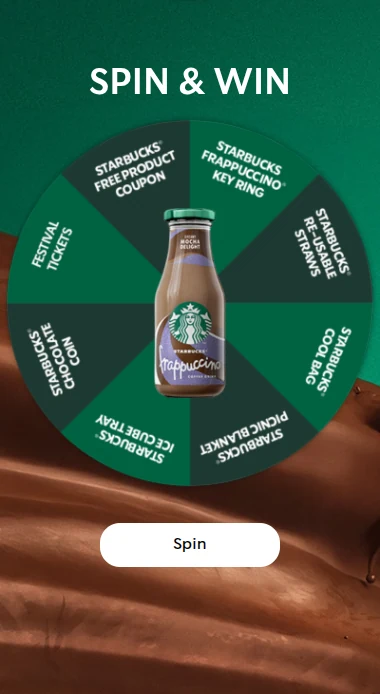
- Permissions (first-party): a scratch card, spin the wheel or calendar gives people a reason to sign up. Learn more about lead generation.
- Preferences and intent (zero-party): quizzes, personality tests, surveys and product finders let people tell you what they like. See data enrichment.
- Behaviour (first-party): you see who played, when, how often and from which channel.
Because people choose to take part, the trade is clear: a fun minute and a chance to win in exchange for their details and answers. Our article on how gamification turns data collection into a win-win goes deeper into that idea, and if you're thinking about where to store and combine it all, read our key takeaways on customer data platforms.
Checklist: Auditing Your Data Sources
Use this checklist to see where you stand:
- List every source of customer data you use today: website analytics, email tool, CRM, ad platforms, loyalty club, data partners.
- Label each source as zero-party, first-party or third-party.
- Check consent for each one. Can you show how and when people agreed? Ask your legal adviser what documentation you need.
- Find the gaps. What do you guess today that you could simply ask? Product interest, timing, preferred channel?
- Check how fresh it is. When did you last update preferences for your oldest subscribers?
- Check the flow. Does data from campaigns, forms and quizzes reach your CRM or email platform automatically?
- Reduce your dependence on third-party data. Which campaigns would still work if a third-party source disappeared tomorrow?
- Plan one campaign to fill the biggest gap. For example, a product finder to learn what people are shopping for.
FAQ
Is zero-party data part of first-party data?
Yes. Zero-party data is a subset of first-party data: the part people share on purpose, like answers and preferences.
Does collecting data yourself take care of privacy?
Not on its own. Collecting data yourself doesn't settle how you may use it. Be clear with people about what you collect and why, and get legal advice on what applies to your set-up.
Are third-party cookies gone?
Not everywhere. Safari and Firefox block or restrict them by default, while Chrome kept its existing approach in 2025. Either way, a strategy built on your own data is more stable.
This article is general information, not legal advice. Rules differ between countries and change over time, so check the current rules and get legal advice before you launch a campaign.
Start Building Data You Own
Your next campaign is a good place to start building data you own. Start your free 14-day trial and set up a quiz or game that grows your list and learns what your customers want, or book a meeting to plan it with us.