

Skip to content

Rex, your AI assistant: the busywork, handled. The ideas, yours 👉 Meet Rex

Free tool

Christmas calendar planner: plan every door

Get a door-by-door plan for your Christmas or advent calendar, with dates, games, prize ideas and a budget for each door.

Type of calendar

Everything, the grand prize included. Use any currency.

Drawn on the last day among everyone who took part. Leave it at 0 for none.

How the plan is made

  • Dates. The 24-door calendar runs from 1 to 24 December. The 4-door calendar opens on the four Advent Sundays: the last Sunday on or before 24 December, and the three Sundays before it. After Christmas Eve, the planner switches to next year.
  • Budget per door. First the grand prize is set aside. The rest is shared out by weight: a weekday door counts 1, a Saturday or Sunday 1.5 and the last door 3. Door budget = (total budget − grand prize) × door weight ÷ the sum of all weights. The amounts are rounded to whole units, and the rounding is adjusted so they add up to the total.
  • Both kinds of prize. With instant wins and a daily draw, 40% of each door goes to instant-win prizes and 60% to the draw.
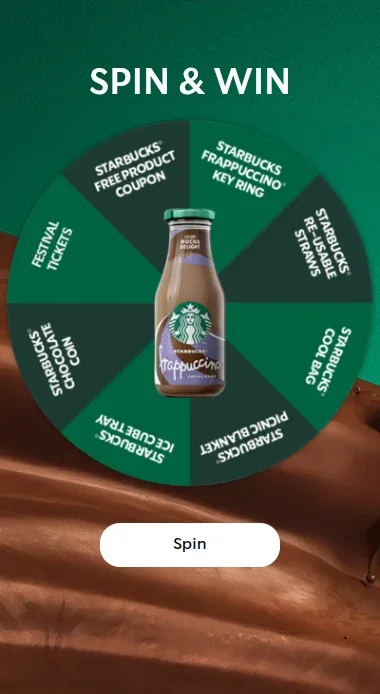
  • Games. Weekdays rotate through quick games that suit your goal, such as a quiz, a scratch card or a memory game. Weekends and the last door get games that make a bigger prize feel special, such as spin the wheel or a mystery box. The same game never runs two days in a row.
  • Grand prize. It is drawn on the last day among everyone who took part during the calendar.

The prizes are suggestions. Check the rules for competitions and prize tax in your country before you launch. This is general information, not legal or tax advice. In Scratcher, a Christmas calendar can run a different game behind every door, with instant-win prizes, daily draws and a final draw.

How to plan a Christmas calendar campaign

A digital Christmas calendar gives people a reason to come back every day in December. Each day, a new door opens with a game and a chance to win. For the brand, every visit is a chance to collect sign-ups, show products and stay in mind through the busiest shopping month.

24 doors or 4?

A Christmas calendar has 24 doors, one for each day from 1 to 24 December. It brings the most visits and the most data, but it needs a prize and a game for every day. An advent calendar with 4 doors opens once on each Advent Sunday. It is less work and suits smaller budgets, B2B and internal campaigns. For other dates, such as Black Week or the twelve days before Christmas, choose your own number of days.

Spread the budget, but not evenly

People have more time at weekends, and the last door is the one everybody waits for. That is why the planner gives Saturdays, Sundays and the last door a bigger share of the budget. Put the grand prize on the last day too, and draw it among everyone who took part. It keeps people coming back until the end.

Mix the games

The same game 24 days in a row gets boring. Rotate between luck games, like a scratch card or spin the wheel, and games of knowledge or skill, like a quiz or a memory game. A quiz about your products teaches people something while they play. A mystery box works well on the big days.

Instant win, daily draw or both?

With instant win, people see straight away if they have won. With a daily draw, everyone who opens the door that day takes part, and a winner is drawn. Many calendars do both: small instant prizes, such as discount codes, every day, and one bigger prize drawn daily. Use the prize odds calculator to work out how many instant-win prizes each door needs.

What does it cost?

The prizes are only part of the cost. See the full picture, platform and promotion included, in how much a digital advent calendar costs. Planning a calendar for your staff instead of your customers? Read about the digital advent calendar for employees. For more ideas for December, see Christmas campaign ideas.

Advent calendar ideas for the doors

  • Put your best product behind a weekend door, and mention it in the newsletter that morning.
  • Use a quiz door to explain a new product or service.
  • Give a discount code to everyone who plays on a weekday, and save the big prizes for the draws.
  • Show the grand prize from day 1, so people have a reason to come back.
  • Ask one extra question at sign-up, such as a favourite product category, and use the answers in your January emails.
Questions

Questions about planning a Christmas calendar

Book a meeting
  • The four Advent Sundays are the four Sundays before Christmas Day. The planner works them out for you.

  • There is no fixed amount. Start with what you can spend in total, set aside a grand prize, and spread the rest over the doors. Small instant-win prizes, such as discount codes, cost little and let many people win.

  • No. Weekends and the last door get more visitors and deserve bigger prizes. Weekday doors can have smaller prizes, as long as there is always something to win.

  • A mix. Luck games, like scratch cards and spin the wheel, are quick to play. Quizzes and memory games take a little longer and teach people about your brand. A new game every day gives people a reason to come back.

  • In Scratcher, a Christmas calendar has 24 doors, one for each day from 1 to 24 December, and an advent calendar has 4 doors, one for each Advent Sunday. In some countries, the word for advent calendar also means the 24-door calendar.