


What competition terms should cover
Competition terms and conditions, also called giveaway rules or official rules, tell people who runs the competition, who can enter, how to enter, what they can win and how winners are chosen. Clear terms protect you as well as the people who enter. They let you remove fake entries before the draw, explain what happens if a winner doesn't reply and show that the competition is run fairly.
The generator covers the clauses competition terms usually contain:
- The organiser: company name, registration number, postal address and a contact email.
- Who can enter: minimum age, countries and who is excluded, such as employees and their families.
- The entry period: when the competition opens and closes, with the time zone.
- How to enter: where people enter, which details they give and how many times they can take part.
- The prizes: what they are and how many there are.
- How winners are chosen: at random when people play, in a draw on a set date, or by judges.
- Notification and claiming: how winners are told and how long they have to reply.
- Personal data: who is responsible for it, what it is used for and a link to your privacy policy.
Read the full competition terms and conditions checklist for an explanation of each clause and the most common mistakes.
Instant win, prize draw or judged competition
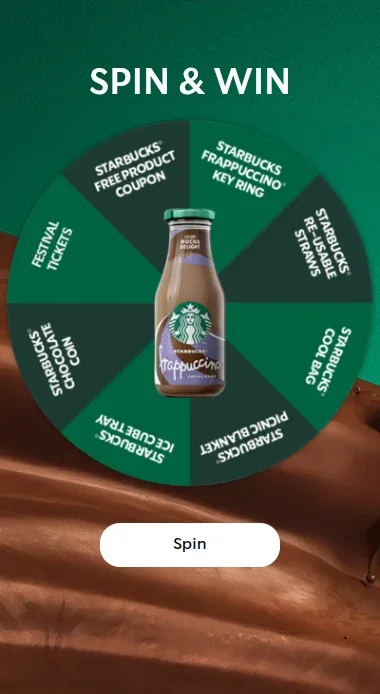
The way you choose winners changes what the terms must explain. In an instant win, such as a scratch card or a wheel, people find out straight away whether they have won, so say how many prizes there are and that only those can be won. In a prize draw, winners are drawn from all valid entries, so state the date of the draw. In a judged or skill competition, such as a photo contest, say who judges and on which criteria. In some countries the mechanic also decides which rules apply, so check with a lawyer before you choose.
Keep consent separate
Accepting the terms and agreeing to receive marketing are two different things. Ask for marketing consent with its own checkbox that is not ticked in advance, and link to your privacy policy. Our guide to competitions and GDPR explains what to think about when you collect personal data in a competition.
Running the competition on Facebook or Instagram
Meta asks the person running a promotion on its platforms to include a release of Meta by each entrant and to say that the promotion is not sponsored, endorsed, administered by or associated with Meta. Tick the Meta option in the form to add that clause.
From terms to a live competition
When your lawyer has checked the terms, publish them on a page people can open before they enter and link to them from the entry form. Our guide on how to run an online competition covers the rest, from choosing a prize to promoting the campaign. In Scratcher, you can link your terms next to the checkbox in the sign-up form, keep marketing consent separate and let prize draws run automatically. See how online competitions work.
This page is general information, not legal advice. Rules differ between countries and change over time, so get legal advice before you launch a competition.