














Gamification marketing for B2B and events
B2B buying is slow, and it involves people. Before anyone books a meeting, they need to notice you, remember you and trust you. Gamification marketing helps with the first two. A game on your stand draws a crowd, and a quiz in your email gives busy buyers a reason to stop and spend a minute with your brand. Everyone who plays leaves their details, so your sales team knows who to follow up with.
Why games work in B2B
- People buy from people. A game starts a conversation at the stand without a hard sales pitch.
- Crowds attract crowds. Scandinavian Print Group calls it the "Lemming effect": when people gather around a game, more people come over to see what's going on.
- Better data than a business card. Every player fills in the same form, and the answers go straight to your CRM.
How to plan a game for your next event
Before the event
Tell people you'll be there and give them a reason to visit. Send an invitation by email with a game or a pre-registration form, and promise a prize they can collect at your stand. Our blog has more pre-event marketing tips.
At the stand
Pick a format that is quick to play and easy to understand from a few metres away:
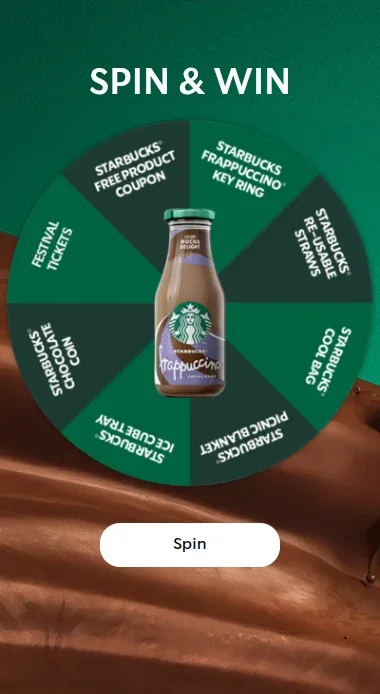
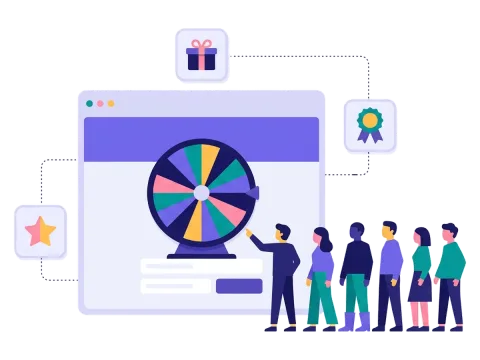
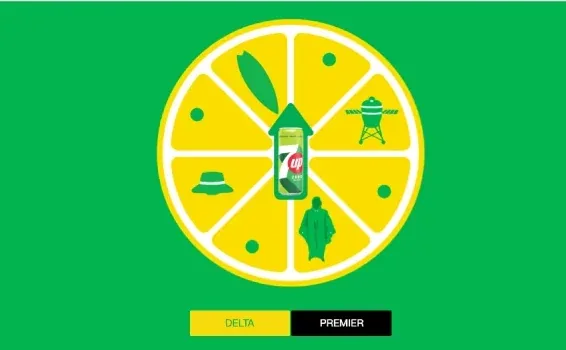
- A spin the wheel on a big screen draws people in.
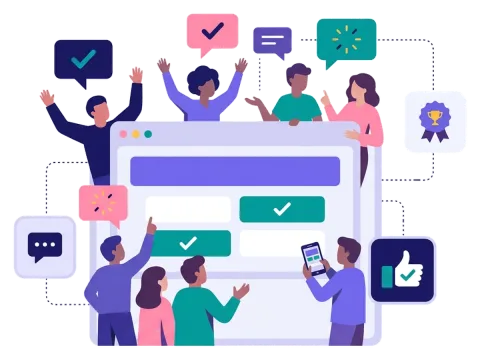
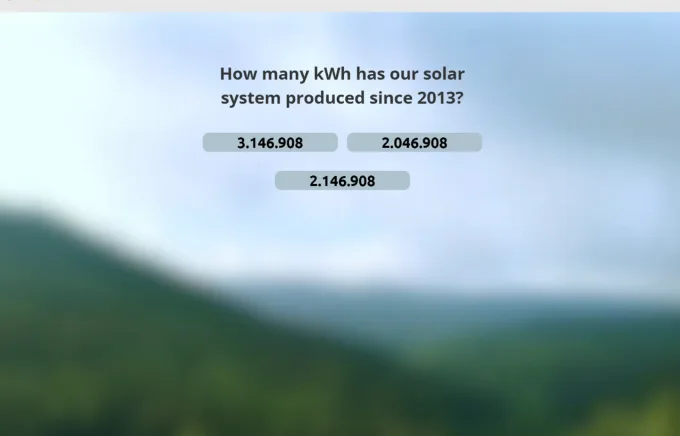
- A quiz about your industry starts a real conversation.
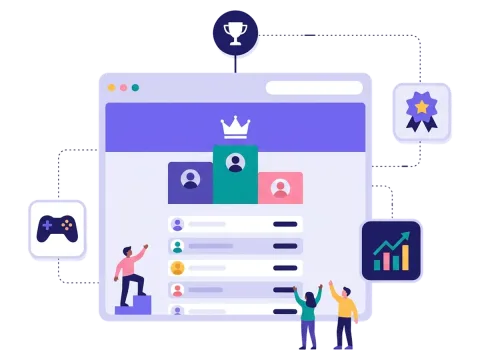
- A leaderboard keeps people coming back to beat the top score during the event.
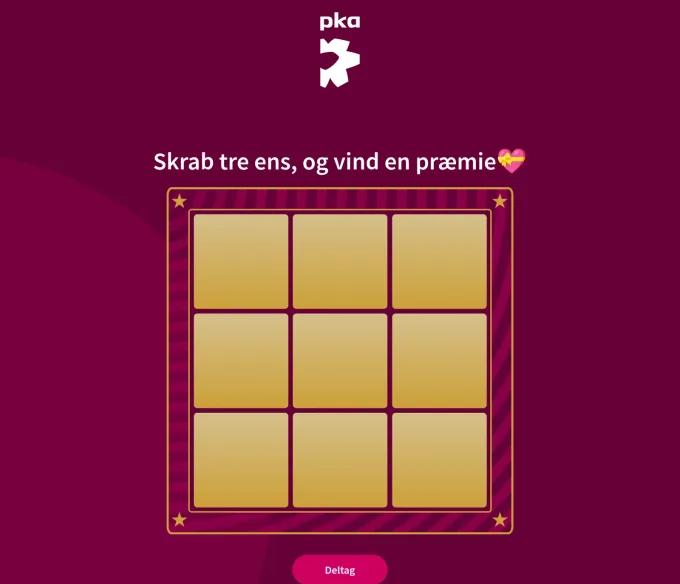
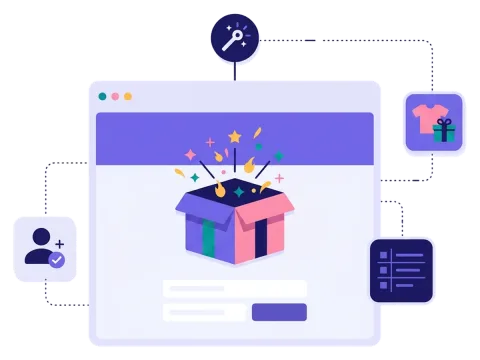
- A mystery box is a fun way to hand out merchandise.
Put a QR code on the stand, on flyers and on your roll-ups, so visitors can also play on their own phone while they wait.
After the event
The real work starts when the event ends. Send every lead to your CRM the moment they play, so your sales team can call while the meeting is still fresh. Add a short question to the form, like "When are you planning your next project?", so sales knows who to call first. Read more about generating quality leads.
Beyond the trade show
Games aren't only for events. B2B teams also use them in:
- Direct mail. Scandinavian Print Group prints QR codes on its mailings that lead to a game, so it can measure who responds.
- Email. A quiz about your industry is more fun to open than another product update.
- Your website. A product finder helps buyers find the right solution and tells you what they're looking for.
Keep it on-brand
Many B2B marketers worry that a game will look too playful. It doesn't have to. Use your own colours, fonts and logo, write questions about your own field, and choose prizes that fit your audience, like a voucher for your own services. Scandinavian Print Group did just that with a quiz about paper production and sustainability for book publishers.
Want to go deeper? Read our post on B2B gamification and omnichannel lead generation, or see how interactive floor maps drive trade show traffic.