












Skip to content

Rex, your AI assistant: the busywork, handled. The ideas, yours 👉 Meet Rex

Scratcher for Charities & NGOs

Find new supporters for less money

A short quiz teaches people about your cause in a fun way. The people who play already care, so they are far more likely to say yes to hearing from you, and to become donors or members later.

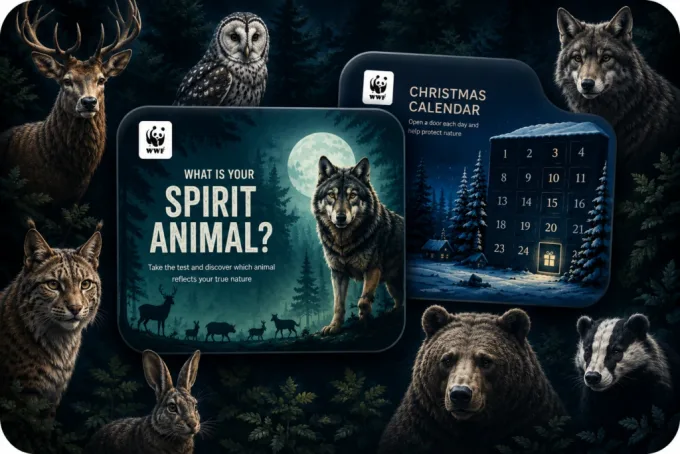
WWF Spirit Animal quiz and Christmas calendar surrounded by Nordic wildlife

WWF, UNICEF and MS-forbundet use Scratcher to lower the cost of a new donor.

Burger King Starbucks Toyota POWER Sport24 Wolt WWF nemlig.com Skoringen Anthon Berg Change Lingerie Fleggaard Uno-X
The challenge

Fundraising has become harder

Most charities we talk to face the same four problems.

Donors cost more

Street fundraising and cold calls are expensive, and fewer people say yes to them.

The road to a donation is longer

People want to learn and engage before they give. One ad is rarely enough.

Consent is a must

You can only call or email people who have said yes, so every permission counts.

Ads are harder to run

Platform rules make advocacy ads harder. Your own list of supporters matters more than ever.


Campaigns that work for charities

Teach, engage and ask for a yes

Start with a format that lets people learn something about your cause. These three are charity favourites.

Quiz
Quiz

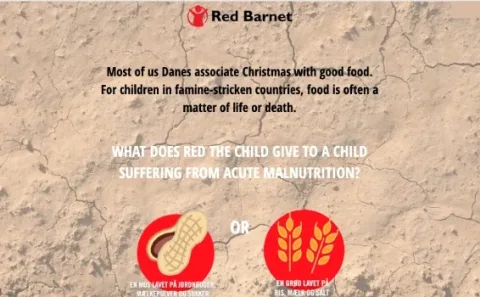
Test what people know about your cause and share one fact per question. Red Barnet's five-question Christmas quiz brought in 2,000 leads.

Read more: Quiz

Personality test
Personality test

"What is your spirit animal?" made WWF's audience curious. 10,557 people took part over six months.

Read more: Personality test

Christmas calendar
Christmas calendar

A new door every day in December keeps supporters close and brings visitors to your webshop.

Read more: Christmas calendar


Customer story

MS-forbundet found 105 new recurring donors

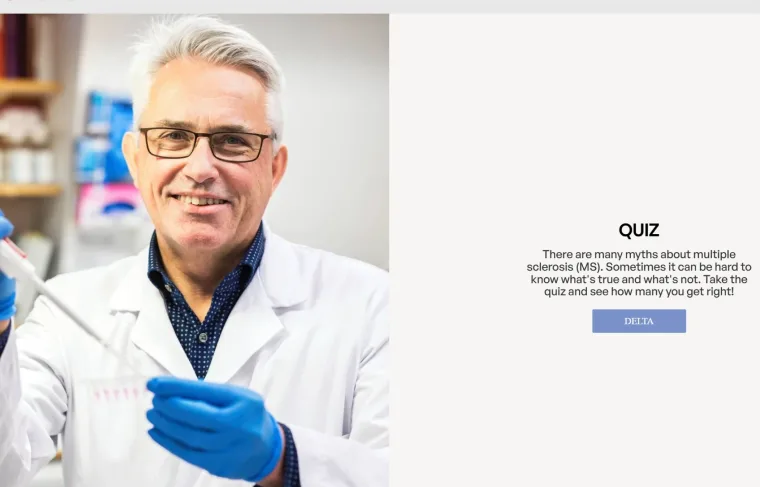
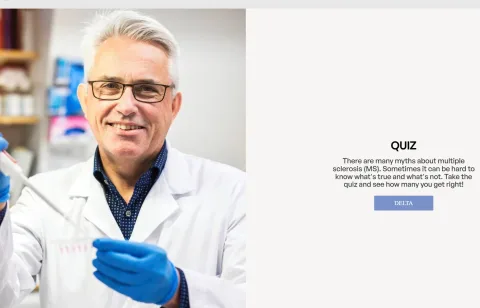
The Norwegian MS association ran a quiz about multiple sclerosis for people with no connection to the organisation. Players tested their knowledge, could win a prize, and said yes to being contacted.

The number of people who had given consent more than doubled. The telemarketing team reached half of them, and 9% of those became recurring donors.

MS-forbundet quiz start screen about multiple sclerosis myths beside a smiling doctor

“One of the key insights is how this approach impacts our cost efficiency. Measuring cost per new donor, we've seen that these pre-engaged leads significantly reduce acquisition costs compared to other channels.”

Helene SkilbredSenior Fundraiser, MS-forbundet
  • 105new recurring donors
  • 9%conversion rate on calls
  • 50%of new contacts reached by phone

Real results from charities using Scratcher

12,403

players in WWF Denmark's Christmas calendar

60%

conversion rate on AIDS-Fondet's inheritance quiz

2,000

leads from Red Barnet's Christmas quiz


Channels

Reach supporters where they already are

Charities get the best results when the game is part of the channels they already use. WWF Denmark's newsletter brought in more than 8,000 players for its Christmas calendar, and its Spirit Animal test spread mostly through Facebook.

Put your campaign on your website, send it in your newsletter or a text message, share it on social media, or print a QR code on posters and leaflets at events and collections.

  • A spot on your front page or a donation page

  • Your newsletter, for warm supporters

  • Facebook and Instagram ads that lead to the game

  • QR codes at events, in shops and on printed material

Reach supporters where they already are
FAQ

Questions from charities

Book a meeting
  • Yes. You decide which fields to ask for and write your own consent text, for example for email, text messages or phone calls. You can use double opt-in, and you decide when player data is deleted.

  • Yes. Sign-ups can go straight to your email tool or CRM through our native integrations, like Agillic, which WWF Denmark uses. You can also use Zapier (8,000+ apps), webhooks, the API or a CSV file.

  • Most charities use the game to start the relationship and ask for a donation later, in a welcome flow or a phone call. You can also send players on to your donation or membership page when they have played.

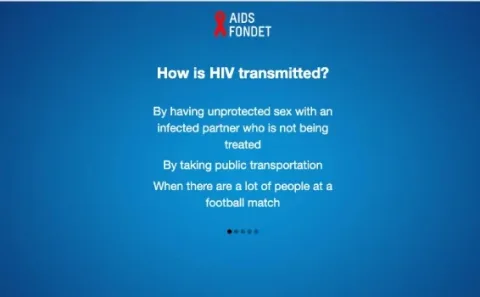
  • Yes, if the content does. A quiz is a way of teaching, not just entertainment. AIDS-Fondet used a quiz about inheritance rules, and almost 3,000 people took part.

  • Use the channels you already have: your newsletter, a spot on your front page and your social media. Many charities add a small ad budget on Facebook or Google to reach new people.

Gamification marketing for charities and NGOs

Most people who see a fundraising ad scroll straight past it. Not because they don't care, but because they aren't ready to give yet. Gamification gives them a smaller first step: a quiz, a personality test or a calendar that takes a minute or two to play. They learn something about your cause, and you get the chance to stay in touch.

Why games work for fundraising

  • Curiosity comes before giving. WWF Denmark found that the road from first contact to donation is longer than it used to be. A quiz lets people engage with your cause long before you ask for money.
  • People who play are warmer contacts. They chose to spend time on your topic. MS-forbundet's telemarketing team found these people easier to talk to.
  • You own the relationship. Every sign-up goes into your own email tool or CRM, so you depend less on paid ads and changing platform rules.

How to plan a gamified fundraising campaign

1. Pick one goal

Decide if the campaign should find new supporters, warm up the ones you already have, or sell gift certificates and merchandise. One clear goal makes it easier to choose the format, the prize and the follow-up.

2. Choose a format that teaches

A quiz is the classic choice for charities: test what people know and share one fact at a time. A personality test, like WWF's "What is your spirit animal?", is easy to share on social media. A Christmas calendar keeps your existing supporters close all through December.

Ask only for what you need, usually a name and an email address, sometimes a phone number. Write your own consent text, use double opt-in, and make it clear what people say yes to. Read more about collecting sign-ups with games.

4. Plan what happens after the game

The game is the start, not the end. Send new contacts into a welcome flow that tells them more about your work, then ask for support by email, text message or phone. MS-forbundet called the people who took part in its quiz, and 9% of those it reached became recurring donors.

5. Measure cost per donor, not just cost per lead

A lead is only cheap if it turns into support. Follow your new contacts over time, and compare the cost per donor with your other channels. Our analytics show you in near real time how many people visit, play and sign up.

Prizes that fit a good cause

Prizes don't have to be expensive, and they should fit your mission. Ideas that work well for charities:

  • A prize sponsored by a partner. Red Barnet's Christmas quiz had prizes from HUAWEI.
  • Useful knowledge. AIDS-Fondet offered a free guide to writing a will.
  • Items from your own webshop, which also bring people to your shop.

Keep supporters close all year

Fundraising is not one big campaign. Plan games around the moments your supporters already care about: Christmas, your national collection, or a theme week about your cause. A recurring campaign, like WWF Denmark's Christmas calendar, gives people a reason to come back and keeps you in their inbox in a way they enjoy. See how to keep people coming back, get more ideas on our blog in gamification strategy for NGOs, or read the full WWF Denmark story.