


















How a mystery box campaign works
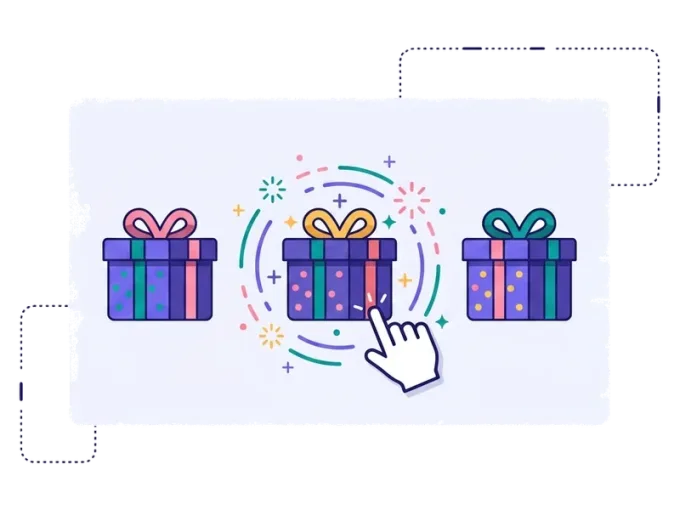
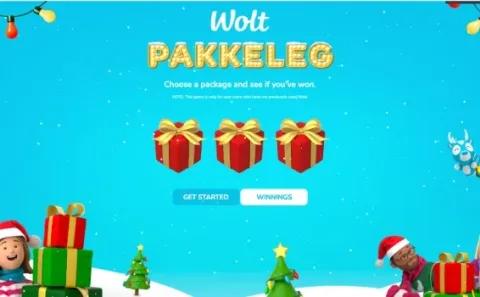
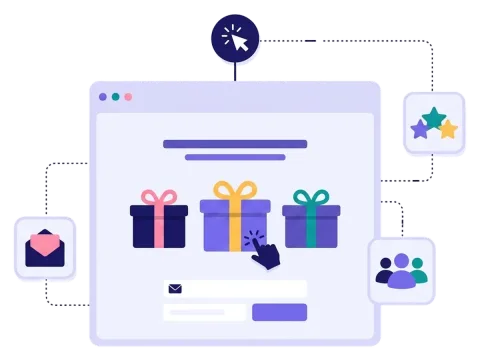
A mystery box campaign gives people a choice — and that is what makes it work. They open your campaign, fill in a short form and see a row of closed boxes. They pick one, the box opens, and the prize inside is theirs. Even though the result is decided by luck, choosing the box yourself feels personal.
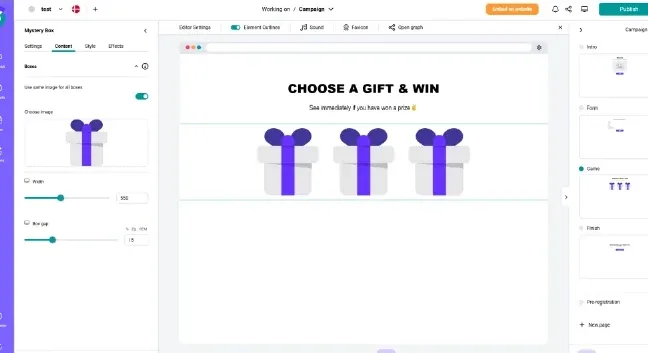
In the editor you decide how many boxes (1 to 10) and rows to show, how much space there is between them and what each box looks like. You can add a shuffle effect that mixes the boxes before people choose. You also decide which prizes can be won, how many of each and when, so your prize budget lasts the whole campaign.
Winners see their prize right away and can get it by email too (with the Email module, included on Professional or as an add-on). Unique discount codes and barcodes are handed out for you, and every sign-up goes on to your email tool through our integrations.
When to use a mystery box
The mystery box is a good fit when you want curiosity to do the work:
- Product launches and sampling: hide the new product in the boxes and let people win a taste.
- Seasonal campaigns: Easter eggs, Valentine's hearts and Christmas presents all make great boxes.
- App and loyalty growth: use the boxes to give out member perks and free trials.
- Website pop-ups: a row of boxes is a friendly way to ask for an email. Read more about lead generation.
- Spreading out store visits: daily prizes that are picked up in store bring people in over several days instead of all at once.
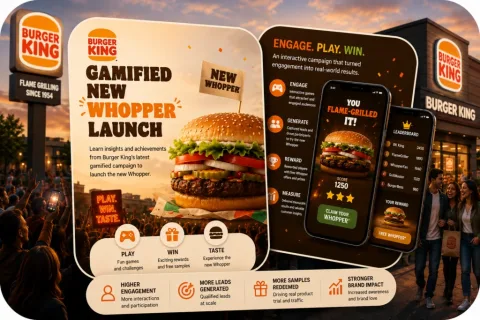
Food delivery, fast food, retail and energy brands all use it. Burger King launched its new Whopper with a mystery box game, and 45.5% of the free Whopper coupons were redeemed in store. Wolt reached more than 200,000 participants with a winter mystery box and grew its marketing permissions by 150%.
6 ideas for your mystery box
- Easter egg hunt: turn the boxes into eggs and hide discounts and chocolate prizes inside.
- Free sample box: give away your new product and send winners to the nearest store.
- Valentine's hearts: three heart-shaped boxes with gifts for two.
- Member perk box: let loyalty members pick a box once a week for a small reward.
- Christmas present pick: a new set of presents every day in December.
- Black Friday boxes: hide a different discount in each box and let people pick their deal.
Tips for a mystery box that converts
Tip #1: Keep the choice small
Too many boxes slow people down.
- Three to six boxes is usually enough.
- Make the boxes big enough to tap easily on a phone.
- Use the shuffle effect to add a bit of suspense.
Tip #2: Make the boxes match the prize
- Use your own packaging as the boxes for a product giveaway.
- Match the boxes to the season or the campaign theme.
- Show a picture of the prize when the box opens.
Tip #3: Plan your prizes
- Mix a few big prizes with many small ones.
- Use a free trial or member perk as a consolation prize — Wolt used Wolt Plus this way.
- Set limits in prizes, so prizes last until the end.
Tip #4: Show it where people already are
- Run the mystery box as a pop-up on your website — our pop-up guide uses it as the example.
- Promote it with paid social, in-app banners or your newsletter.
- Put a QR code on posters or packaging, so people in your store can play on their phone.
Tip #5: Turn winners into customers
A mystery box creates a good feeling. Use it while it lasts.
- Give each winner a clear next step, like "Pick up your free burger at your nearest restaurant" or "Use your code before Sunday".
- Make coupons easy to show at the till, for example with a barcode.
- Send everyone who signed up a welcome email with an offer, so the people who did not win still have a reason to buy.
Want a single gift instead of a choice? Try the gift surprise. Or keep the reveal simple with a scratch card. For more inspiration, see the mystery egg in our top 5 Easter campaigns.