















How a personality test campaign works
A personality test asks people a few light questions about their habits, tastes or preferences. There are no right or wrong answers. Each answer gives points to one or more results, and at the end people see the result that fits them best — a profile, a character or a product.
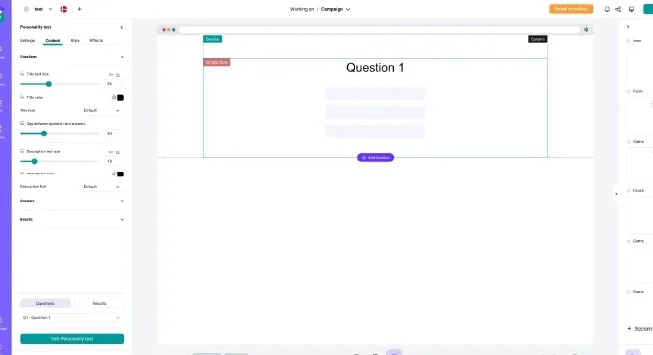
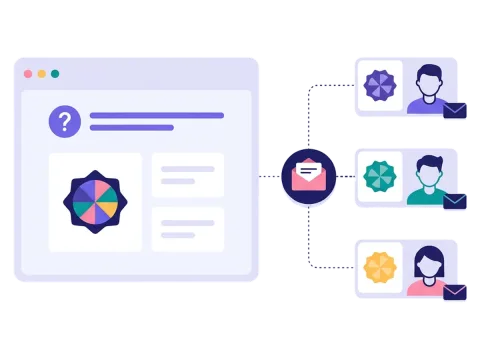
In Scratcher you can use text, pictures, ratings and even video in the questions. You set the points for each answer, and the points decide which result page people see. Every result page can have its own text, picture and button, so you can send people to the products, offers or content that suit them.
People usually fill in a short form before they see their result. That makes the personality test one of the most natural ways to collect sign-ups: people want to know the answer, and they are happy to leave their email to get it.
When to use a personality test
A personality test is the right choice when you want people to talk about themselves, so you can get to know them better.
- Lead generation: a fun "which one are you?" test is easy to share and brings in new sign-ups. See more about lead generation.
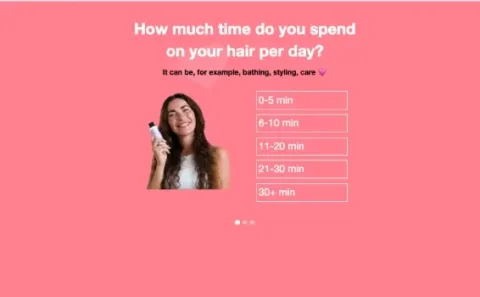
- Guided selling: match people with the product that fits their needs. Yuaia Haircare uses a hair test to give each visitor a personal hair routine.
- Segmentation: use the answers to put people in the right email flow, so your follow-up feels personal.
- NGOs and causes: start a relationship with curiosity, not a donation request. WWF Denmark's Spirit Animal test reached more than 10,500 participants.
- Retail and fashion: find people's style, taste or gift type and show matching products.
7 ideas for your personality test
- "What's your spirit animal?" Match people with an animal — perfect for nature, outdoor and kids' brands.
- "What's your style?" Show outfits, interiors or colours that fit each result.
- "Which product is made for you?" A playful twist on the product finder.
- "What kind of traveller are you?" Recommend destinations or experiences.
- "What's your gift type?" Help people find the perfect gift before Christmas or Valentine's Day.
- "What's your routine?" Skincare, haircare, training or food — and a matching routine as the result.
- "Which team member are you?" A fun way for sports clubs and brands to show their people.
Tips for a personality test that converts
Tip #1: Start with the results
Decide on your results before you write any questions. Three to six results is usually right.
- Give each result a name, a picture and a short, positive description.
- Make sure every result feels good to get — nobody wants a boring result.
- Link each result to something useful: a product, an offer or a piece of content.
Tip #2: Keep the questions light
People should enjoy answering.
- Five to eight questions is plenty.
- Use pictures as answers — they are quicker to pick than text.
- Ask about everyday things, not hard choices.
Tip #3: Ask for the sign-up at the right moment
Most people want to see their result, so asking for an email before the result works well. Keep the form short and only ask for what you will use.
Tip #4: Use the answers in your follow-up
The answers are the most useful data you get.
- Send them to your email tool with our integrations.
- Build a segment per result from the answers, and start a different email flow for each.
- Recommend products that match the result in your newsletter.
Tip #5: Make the result easy to share
People love to share what they got. Add a share button on the result page and run the test on social media, where most of WWF Denmark's Spirit Animal traffic came from.
Tip #6: Add a prize
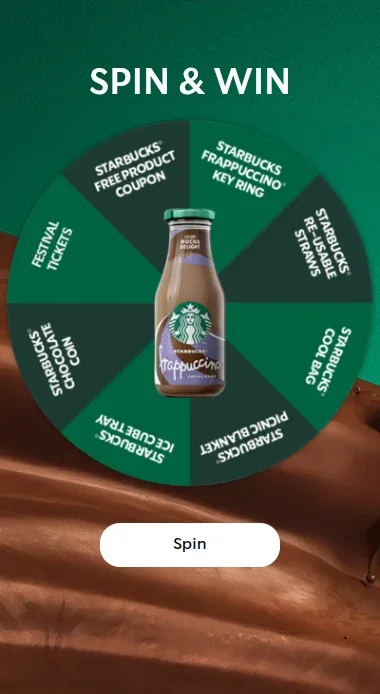
A prize draw or a small discount gives people one more reason to finish. Set it up once with prizes on autopilot.
Make your first personality test
Pick a template, write your results and questions, and let Rex, our AI assistant, help you with the text. Want more inspiration? Read how WWF Denmark builds relationships before asking for donations, or try a classic quiz with right and wrong answers.