


Personalisation is how brands build real connections with customers. Good campaigns aren’t just about selling a product. They’re about understanding what each person needs and giving them an experience that feels made for them. That’s what builds lasting brand engagement.
According to McKinsey, 72% of customers expect brands to recognise their preferences, and 78% are more likely to buy from brands that offer personalised content. In other words, personalisation has a direct effect on campaign results.
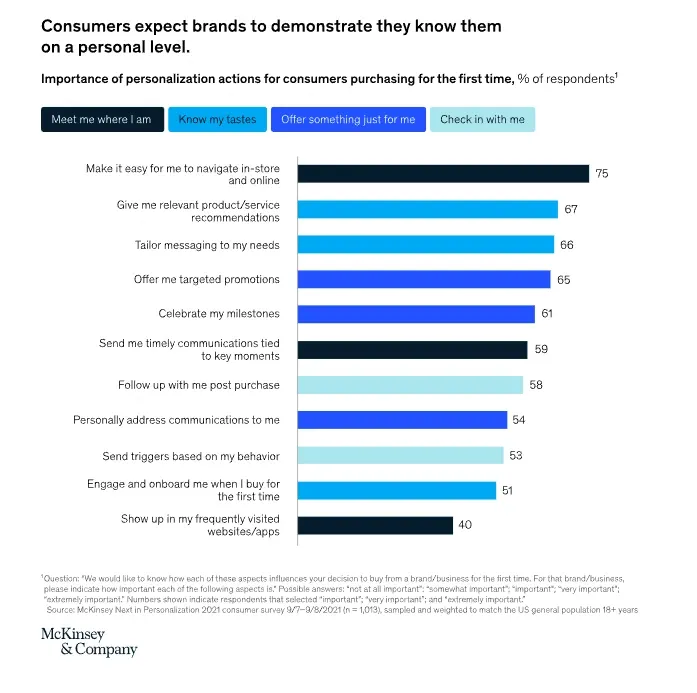
Here are four things customers want from personalised interactions with brands:
- “Show me things I might like.” People want suggestions that fit with what they’ve already looked at or bought. Ads for things they don’t care about quickly become annoying.
- “Talk to me when I’m in the mood to shop.” Timing matters. Send messages when customers are likely to read them, based on their habits. A message sent the same day someone visits a store, or exactly a week later, is more likely to get a positive response.
- “Remind me about things I’m interested in.” Let customers know when something they want is back in stock, or when a new version of a product they bought is available.
- “Recognise me, online or offline.” Customers expect a smooth experience whether they shop online or in a physical store.
Understanding Personalisation in Campaigns
Personalisation is more than putting a customer’s first name in an email. It’s about understanding behaviour, preferences and intent, and using that to build campaigns that feel relevant. Done well, it improves satisfaction, retention and conversion.
Interactive marketing is one of the most practical ways to get there. When people play a game, take a quiz or pick a favourite, they tell you what they like, in their own words. That’s data you can act on straight away.
Scratcher has 40+ interactive formats that work well for personalisation, including:
- Product Battle: let people choose between products head to head and see what they prefer.
- Mystery Box: reveal a prize or offer that can be tied to a product category.
- Quiz: ask a few questions and segment participants by their answers.
- Personality Test: match people to a product, style or profile.
- All games and interactive formats
These formats turn passive visitors into active participants and give you first-party data you can use to personalise future campaigns.
How to Personalise Your Campaigns
To create effective personalised campaigns, follow these best practices:
- Use customer data: Base your decisions on real behaviour and analytics, not guesses.
- Segment your audience: Create tailored content for specific customer groups.
- Use interactive tools: Gamified experiences get people to engage and share their preferences.
- Automate dynamic content: Deliver personalised offers when they’re most relevant.
- Ask for feedback: Use what customers tell you to sharpen your messaging.
Setting It Up in Scratcher
A simple way to start is a short quiz or personality test that ends with a product recommendation:
- Pick a template in the editor and add three to five questions about taste, needs or habits.
- Map each outcome to a product or category.
- Add a sign-up form with an opt-in so you can follow up.
- Send answers and contact details to your email platform, such as Klaviyo, HubSpot or Mailchimp, so each segment gets its own follow-up.
Every answer becomes a data point you can use. Read more about enriching your customer data with gamification.
Benefits of Personalised Campaigns
Investing in personalisation pays off in several ways:
- Higher engagement: People interact more with content that reflects their interests.
- Better conversions: Relevant offers lead to more sales and sign-ups.
- Stronger loyalty: Tailored experiences build trust and long-term relationships.
- Better ROI: Precise targeting means less wasted budget.
Final Thoughts
Personalisation isn’t optional any more. It’s what customers expect. By combining customer data with interactive formats like quizzes and product finders, you can deliver tailored experiences that drive real results.
Want to try it? Start your free 14-day trial, no credit card needed.